A growing rift within Morocco's Justice and Development Party, PJD, has come to light as several high-ranking members have openly challenged the party's leadership. The PJD, known for its Islamist ideology, has been a significant force in Moroccan politics. This internal conflict may have implications for the party's future and its role in the country's political landscape. The PJD has historically been associated with the Muslim Brotherhood.
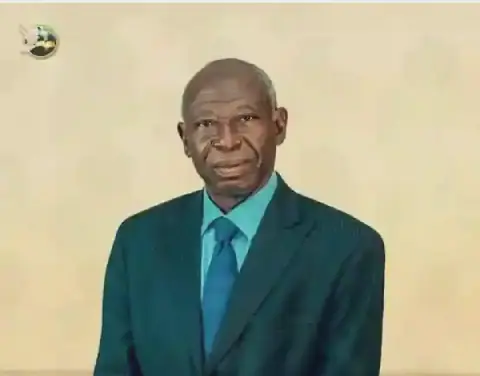
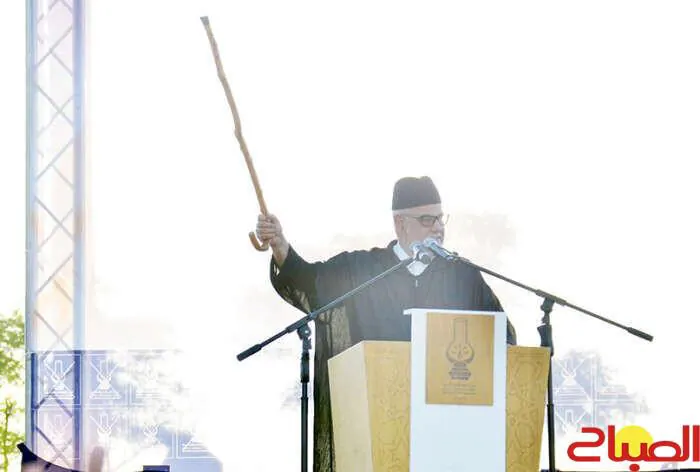
The tensions within the PJD appear to center around Abdelilah Benkirane, the party's leader. Benkirane has been at the helm of the PJD since its founding in 1992. Some party members have expressed dissatisfaction with his leadership style and decisions. This discontent has led to a rift, with several prominent members reportedly rebelling against Benkirane's authority. The extent of this rebellion and its consequences for the party remain to be seen.
The PJD has played a significant role in Moroccan politics, particularly during the Arab Spring protests in 2011. The party won a majority of seats in the country's parliament and formed a government. However, its time in power was marked by controversy and challenges. The party's influence has waxed and waned over the years, but it remains a key player in Moroccan politics.
The current internal conflict within the PJD may have significant implications for the party's future. If the rift cannot be healed, it could lead to a split or the emergence of a new party. This, in turn, could affect the balance of power in Moroccan politics. The PJD's leadership and members will need to navigate this challenging situation carefully to avoid further divisions.
Moroccan politics have been characterized by a complex interplay of Islamist and secular forces. The PJD's role in this landscape has been significant, and any changes to its leadership or structure could have far-reaching consequences. The country's monarch, King Mohammed VI, has historically played a dominant role in Moroccan politics, but the PJD and other parties have also had a significant impact.
The rebellion against Benkirane's leadership has been led by several high-profile members of the PJD. Their motivations and goals are not yet clear, but it is evident that they are seeking change within the party. The outcome of this internal conflict will be closely watched by observers of Moroccan politics.
The situation within the PJD is a reminder of the complexities and challenges of political life in Morocco. The country's politics are characterized by a delicate balance of power and influence, and any shifts within major parties can have significant repercussions. The PJD's internal conflict will likely continue to be a major story in Moroccan politics for some time.
Key points
- Several prominent leaders of Morocco's Justice and Development Party, PJD, have openly challenged the party's leadership.
- The PJD has historically been associated with the Muslim Brotherhood.
- The internal conflict within the PJD may have significant implications for the party's future and Moroccan politics.