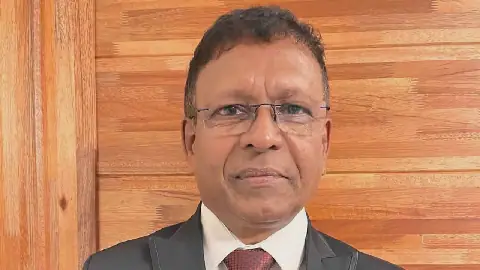
The National Gender and Equality Commission (NGEC) has called for stronger action against gender-based violence (GBV) in Kenya, emphasizing the need for coordinated efforts from government agencies, the justice sector, communities, and private institutions to address the issue. NGEC Chairperson Rehema Jaldesa stated that GBV remains a serious concern, with 6,813 cases of sexual and gender-based violence recorded between September 2024 and August 2025. The commission warned that persistent delays in handling reported cases, social stigma, inadequate support services, and weak accountability mechanisms continue to expose survivors to violence and deny them justice.
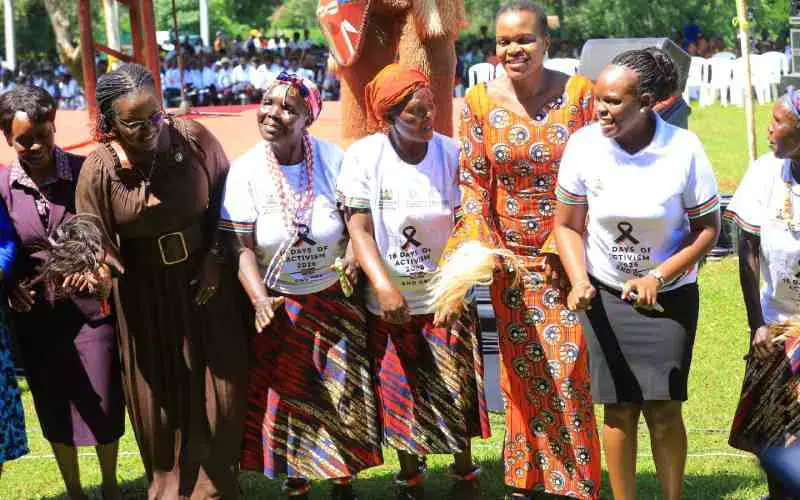
Jaldesa spoke as Kenya joined the global community in marking the 2026 Sixteen Days of Activism Against Gender-Based Violence, under the theme "UNiTE to End Violence Against Women and Girls: Ensure Justice, Protect Survivors, End Impunity." She cited government statistics showing that 1,639 women were killed between 2022 and 2024, highlighting the growing concern over femicide and the need for stronger prevention and accountability measures. The commission also raised concern over the growing threat of technology-facilitated gender-based violence, warning that digital platforms are increasingly becoming spaces where women and girls experience abuse.
According to the Kenya Mini Demographic and Health Survey 2025/2026, 26 per cent of women aged between 15 and 49 have experienced technology-facilitated GBV, with online controlling behaviour, hacking, and online sexual harassment among the reported forms of abuse. Jaldesa emphasized the need for stronger digital safety measures, accessible reporting mechanisms, and effective legal remedies to address this issue. The commission also noted that sexual and gender-based violence disproportionately affects vulnerable groups, including young girls, women with disabilities, intersex persons, and women living in remote areas and informal settlements.
The commission called on Parliament, county governments, the Judiciary, law enforcement agencies, healthcare providers, development partners, civil society, and community leaders to collectively resource and implement the recommendations of the 2026 Technical Working Group on Gender-Based Violence, including femicide. It urged Parliament to fast-track amendments to the Sexual Offences Act, 2006, contained in the Sexual Offences (Amendment) Bill, 2026, to strengthen the legal framework for addressing sexual violence. The justice sector was also challenged to improve investigations and prosecution of GBV cases through systematic management of forensic and digital evidence, alongside stronger witness protection mechanisms.
The National Police Service was asked to fully operationalise the PoliceCare model through dedicated funding, adequate staffing, and infrastructure to improve access to support for survivors. NGEC further called for the establishment of an integrated gender-based violence and femicide data management system to improve coordination, documentation, and tracking of cases. The commission also urged national and county governments to fund the implementation of the National Male Engagement and Inclusion Strategy, noting that involving men and boys is critical in challenging harmful social practices and preventing violence.
The commission emphasized that GBV prevention and response services must be accessible to all survivors, including women and girls with disabilities, male and intersex survivors, regardless of their location or socioeconomic circumstances. Jaldesa stressed that justice must not depend on a survivor's social status, location, disability, or ability to pay for services. The commission maintained that violence should never be treated as a private matter to be concealed behind closed doors, but as a violation of human rights, dignity, and equality requiring decisive action.
The NGEC chairperson concluded that ending GBV requires a collective effort from all stakeholders, including government agencies, the justice sector, communities, and private institutions. She emphasized the need for prompt action on reported cases, accessible reporting channels, survivor-centred care, and stronger referral systems to address the issue effectively. By working together, Kenya can make progress in reducing GBV and ensuring justice, protection, and support for survivors.
Key points
- The National Gender and Equality Commission has called for stronger action against gender-based violence in Kenya, citing 6,813 cases of sexual and gender-based violence recorded between September 2024 and August 2025.
- The commission urged Parliament to fast-track amendments to the Sexual Offences Act, 2006, to strengthen the legal framework for addressing sexual violence.
- The National Police Service was asked to fully operationalise the PoliceCare model to improve access to support for survivors of gender-based violence.
Reporting sources
- Leaders calls for tougher action against GBV · The Standard