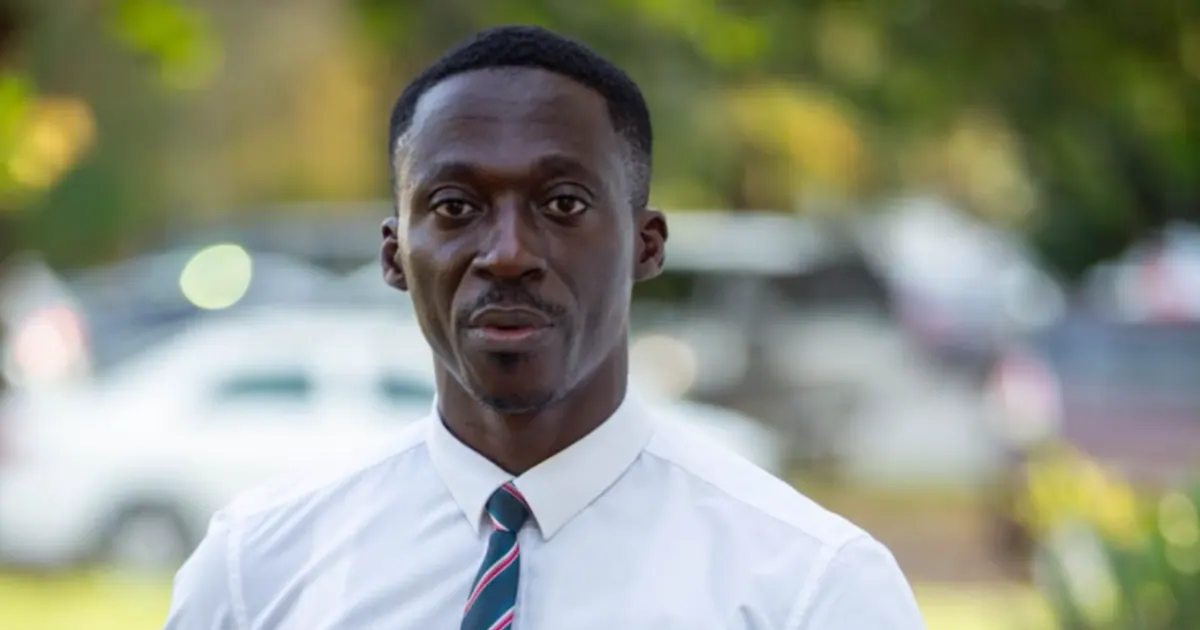
Lawyer Austin Brako-Powers has called for Ghana's rape laws to be amended to provide better legal protection and remedies for male victims of sexual assault. Under the current law, Act 29 of the Criminal Offences Act, 1960, men who are overpowered and subjected to non-consensual sexual acts may not be able to report the incident as rape. Brako-Powers made the call on A Question of Law, highlighting the limitations of the existing legal framework.
According to Brako-Powers, male victims of sexual assault may have to rely on other offences such as indecent assault or assault, which may not adequately reflect the seriousness of their experience. He cited an example of a ride-hailing driver who alleged that three women overpowered him and forced him to have sex against his will. The driver expressed uncertainty about reporting the incident because he was a man and the alleged perpetrators were women.
Brako-Powers urged the driver to report the matter to the police, despite the limitations of the current law. He suggested that the driver could pursue other offences, including indecent assault and assault. However, Brako-Powers emphasized that this incident should lead to a broader national discussion about whether Ghana's laws sufficiently protect men who experience sexual violence.
The lawyer called on Parliament and the government to lead discussions on reviewing the relevant provisions of the law, with any proposed amendment eventually presented to Parliament for consideration and approval. He argued that the current definition of rape does not adequately address situations where men are overpowered and subjected to non-consensual sexual acts.
Brako-Powers' comments highlight the broader question of how Ghana's legal system responds to sexual violence against male victims and whether existing offences provide adequate remedies for such cases. He urged men who experience sexual or domestic abuse to speak out instead of concealing their experiences because of societal expectations.
The incident and Brako-Powers' comments have sparked a necessary conversation about the need for reform of Ghana's rape laws. The current law has been criticized for not providing adequate protection and remedies for male victims of sexual assault. A review of the law could provide a more inclusive and effective framework for addressing sexual violence against all victims.
The call for reform is part of a larger effort to address the issue of sexual violence in Ghana. The country has seen a significant number of reported cases of sexual violence, with many victims facing challenges in seeking justice. By reforming the rape laws, Ghana can take a crucial step towards providing better protection and support for all victims of sexual assault.
Key points
- Lawyer Austin Brako-Powers calls for Ghana's rape laws to be amended to provide better legal protection and remedies for male victims of sexual assault.