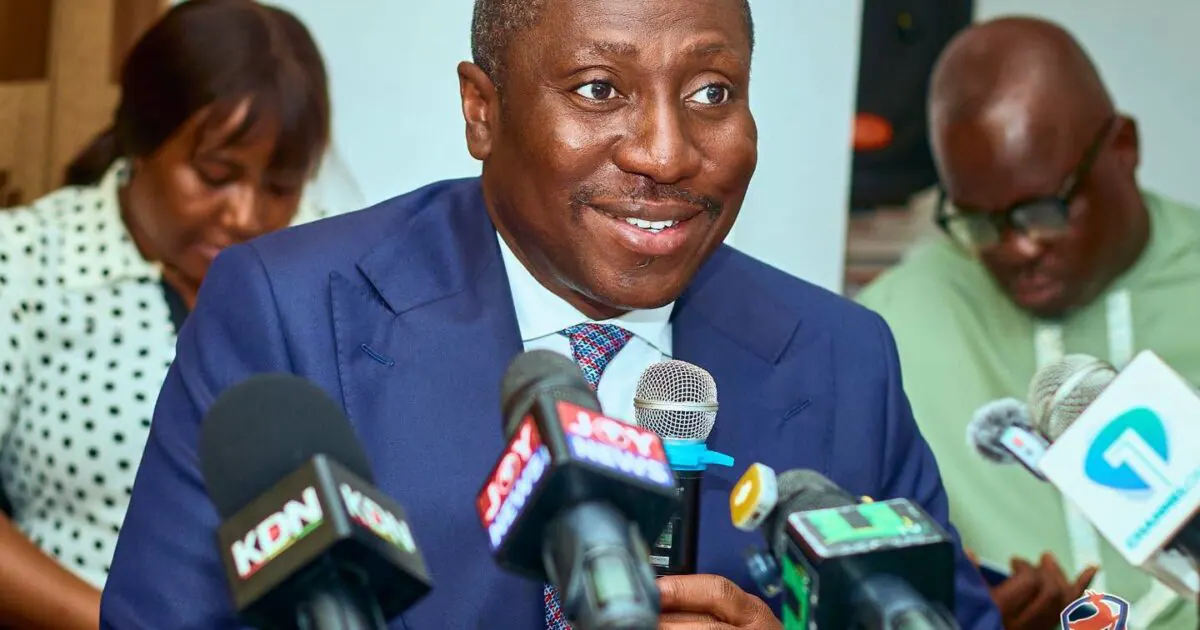
On October 7, 2026, Ghana's Minority Leader, Alexander Afenyo-Markin, expressed concerns about the structure of the Ghana Gold Board (GoldBod), arguing that it inadvertently encourages illegal mining activities. During an engagement with the Christian Council, Afenyo-Markin questioned the regulatory framework governing GoldBod and gold aggregators. He warned that the absence of clear distinctions between legally mined gold and gold linked to illegal mining could create incentives for galamsey.
Afenyo-Markin emphasized that the current system does not sufficiently distinguish between regularly mined gold and galamsey gold, allowing aggregators to bring in whatever gold they want without proper regulation. He stressed that this lack of regulation has contributed to the proliferation of illegal mining in Ghana. The Minority Leader also highlighted the environmental consequences of illegal mining, particularly the threat to Ghana's forests and water bodies.
The Atewa Forest, a critical ecosystem, is at risk of further degradation if stronger measures are not taken to combat illegal mining. Afenyo-Markin cautioned that if care is not taken, the Atewa forest will not be preserved for future generations. He also raised concerns about the increasing cost of treating contaminated water, noting that the scale of pollution is affecting the ability of some water treatment plants to operate effectively.
As someone who once chaired the Ghana Water Limited Board, Afenyo-Markin noted that the reports from Ghana Water indicate that it is becoming more expensive to treat water due to contamination. He added that some treatment plants are unable to function effectively due to the extent of pollution in the water bodies. This situation, he warned, could have severe consequences for Ghana's water security.
Afenyo-Markin called for stronger oversight of gold trading and aggregation to ensure that efforts to formalize the gold sector do not undermine the broader fight against illegal mining. He emphasized the need for clear regulations to guide aggregators and prevent the encouragement of galamsey activities. The Minority Leader's concerns highlight the need for a comprehensive review of GoldBod's structure and regulatory framework.
The issue of galamsey has been a persistent challenge in Ghana, with the country's gold sector being a significant contributor to the economy. However, the lack of effective regulation has led to widespread environmental degradation and social problems. Afenyo-Markin's comments underscore the need for a more nuanced approach to regulating the gold sector, one that balances the need for economic growth with the need to protect the environment and prevent illegal activities.
The Ghanaian government has been working to formalize the gold sector and combat illegal mining. However, the effectiveness of these efforts has been hindered by the lack of clear regulations and oversight. As the country continues to grapple with the challenges of galamsey, Afenyo-Markin's concerns about GoldBod's structure and regulatory framework are likely to remain a pressing issue.
Key points
- The structure of Ghana's GoldBod encourages illegal mining activities by failing to distinguish between legally mined gold and gold linked to galamsey.
- The lack of effective regulation in the gold sector has led to widespread environmental degradation and social problems in Ghana.
- Stronger oversight of gold trading and aggregation is needed to prevent the encouragement of galamsey activities.