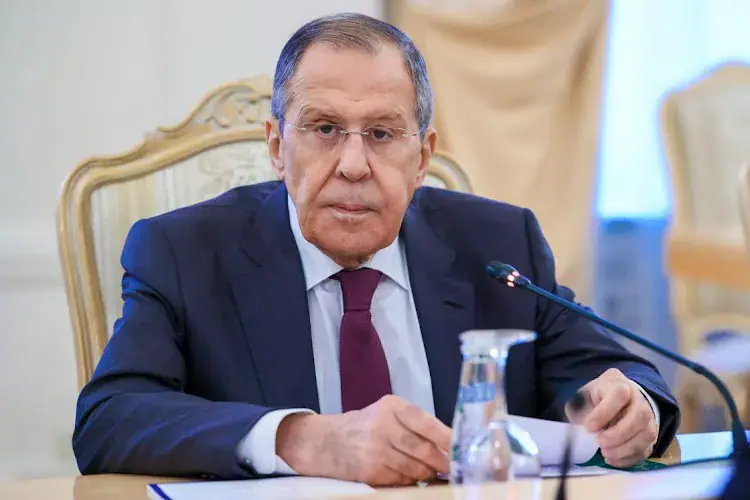
Russian Foreign Minister Sergey Lavrov's aircraft made a stop in Casablanca on November 1, on its return from the United States. The Ilyushin Il-96 aircraft, operated by the Rossiya special flight squadron, landed in Casablanca shortly after midnight and departed about two hours later. This stopover has drawn attention to Moscow's ties with Rabat, particularly after Russia vetoed a US-backed UN Security Council resolution on Western Sahara.
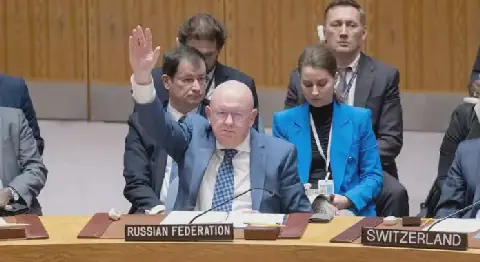
The Russian veto on October 30 blocked a US-backed draft resolution that received 11 votes in favor. A separate Russian proposal, which called for a straightforward one-year technical renewal of the UN Mission for the Referendum in Western Sahara (MINURSO), received only three votes. As a result, the Security Council did not renew MINURSO's mandate through either proposal. Russia's move came amid sustained diplomatic efforts by Morocco to rally international support for its Autonomy Plan for the Sahara.
Morocco's Foreign Minister Nasser Bourita addressed the Russian veto in a televised interview, saying Rabat had not been surprised by Moscow's position. Bourita said Morocco knew Russia's position before the Security Council vote and had not asked Moscow to change it. His remarks suggest that Rabat approached the vote with a clear understanding of the differences between the two countries over the Sahara issue.
The stopovers have prompted renewed attention to the state of Morocco-Russia relations after Moscow's decision at the UN Security Council. Some observers may interpret the veto as a setback for bilateral ties, particularly given Rabat's diplomatic efforts to secure broader international support for its Autonomy Plan for the Sahara. However, the latest stopover does not, by itself, signal a change in Russia's political position or prove that relations between the two countries remain unaffected.
Casablanca has long served as a technical stop for Russian government aircraft on transatlantic routes, particularly since European Union airspace restrictions forced Russian aircraft to take longer routes following Moscow's invasion of Ukraine in 2022. The sequence of events places the Russian minister's Casablanca stopovers in a sensitive diplomatic context, but it does not establish a direct link between the flights and the Security Council vote.
Lavrov's stopover comes after talks with Bourita in Moscow. Bourita attended a meeting of African foreign ministers hosted by Lavrov on October 28, on the sidelines of the third Russia-Africa summit. The two ministers held a bilateral meeting that day, although neither side publicly disclosed the details of their discussions.
For Morocco, the challenge will be to maintain working relations with Moscow while continuing to pursue international backing for its Autonomy Plan. The central objective for Rabat remains the consolidation of international support for its Autonomy Plan and the pursuit of a political settlement on terms that respect its territorial integrity.
Key points
- Russia vetoed a US-backed UN Security Council resolution on Western Sahara.
- Morocco's Foreign Minister Nasser Bourita said Rabat was not surprised by Moscow's position.
- The stopover in Casablanca is part of an established flight pattern for Russian government aircraft.