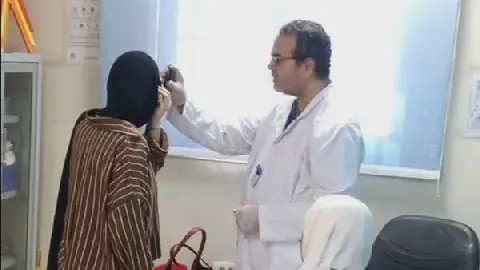
Breast cancer is the most common cancer affecting women in Ghana, and it is also the leading cause of cancer-related deaths among women in the country. According to Dr. David Sunu, CEO of the Ridge Medical Center (RMC), late reporting to hospitals or health facilities for breast cancer screening is a major cause of breast cancer-related deaths in Ghana. He stated that some studies reveal that about 50 to 80 percent of those with breast cancer report to the hospital late, making it difficult for medical intervention to prevent death.
Dr. Sunu made these remarks during the launch of the Ridge Medical Centre's Pink October campaign to create awareness about breast cancer in Accra on October 5. Breast Cancer Awareness Month has been celebrated in October since the 1980s, and it is marked by people around the world adopting the pink color and displaying a pink ribbon to raise awareness about the importance of prevention and routine screening for early diagnosis of breast cancer. Dr. Sunu emphasized that early diagnosis is crucial in treating breast cancer and that if women can report to hospitals early, more can be done to cure or prolong their lives.
Dr. Sunu attributed the increasing rate of breast cancer in Ghanaian women to lack of education and the resort to unapproved medical options. He stated that there is a lack of education on breast cancer, and many women prefer to use herbal medication or rely on religious beliefs, which causes delays in seeking medical attention. Dr. Sunu emphasized that there are no enough studies to justify the effectiveness of herbal medicine for cancers and that relying on herbal treatment leads to delays, which can be disastrous.
Dr. Sunu called on the Ministry of Health and the Ghana Health Service to ensure that there are robust programs for screening and early detection of breast cancer. He stated that elsewhere, there are robust programs for screening and early detection, and that if Ghana can diagnose the condition early, it can take out the lump or cancerous tissue before it spreads to other parts of the body. Dr. Sunu emphasized that the main difference is having a system in place that allows for early detection, which can lead to treatment, cure, and prolonging life.
Dr. Sunu also emphasized the importance of awareness and education on breast cancer. He stated that there is a need for increased awareness regarding breast cancer, and that corporate bodies, including the Ghana Health Service and the Ministry of Health, should drive awareness campaigns beyond October. Dr. Sunu suggested that awareness programs should be integrated into day-to-day activities of health facilities and that structures and training programs should be put in place to ensure that more people are getting screened.
Dr. Kwame Owusu Achew, Resident Medical Officer for RMC, highlighted the risk factors for breast cancer. He stated that some of the risk factors include early menarche, late menopause, use of emergency contraceptives, high-risk lifestyles, and exposure to radiation. Dr. Achew emphasized that even without any of these risk factors, women can still get breast cancer, and that the most important thing to do is to get screened.
Dr. Sunu also dismissed claims that when men suck breasts, it reduces the chances of breast cancer. He stated that what is known is that breastfeeding is known to reduce the likelihood of breast cancer, but there is no robust data to support the claim that men sucking breasts can reduce the risk. Dr. Sunu encouraged women to get their breasts examined at least once a year, and that men can also be affected, but that 99 percent of cases occur in women.
Key points
- Late reporting to hospitals or health facilities for breast cancer screening is a major cause of breast cancer-related deaths in Ghana.
- Lack of education and resort to unapproved medical options are major factors contributing to high breast cancer-related deaths in Ghana.
- Robust programs for screening and early detection of breast cancer are necessary to reduce the number of breast cancer-related deaths in Ghana.