The land issue in Gabon has emerged as a significant obstacle to the country's transformation projects. As the state accelerates land regularization, it must confront the reality of lands occupied, transmitted, and protected by communities for generations, often before the existence of modern institutions. The Conseil économique, social, environnemental et culturel (CESEC) has brought this issue to the forefront, recommending the integration of traditional land rights into the land code.
The concept that "the land belongs to the state" often clashes with the notion of ancestral heritage. The phrase "on the land of my ancestors" highlights the deep connection communities have with their land. The question remains as to how to reconcile the need for large-scale projects with customary rights. The government must balance its need to develop and transform the country with the rights of those who have occupied the land for generations.
The risk of expropriation and the perception of injustice can lead to community disputes and conflicts. While land regularization programs are an important step forward, distributing land titles will not be enough if the law views customary rights as anomalies. The challenge for the government is to recognize the existing land situations and find a way to integrate them into the land code.
The CESEC's recommendation to integrate traditional land rights into the land code has opened a new avenue for exploration. The goal is to create a land policy that not only secures property but also promotes peaceful land use. By acknowledging the historical and cultural significance of land to communities, the government can work towards a more inclusive and equitable land policy.
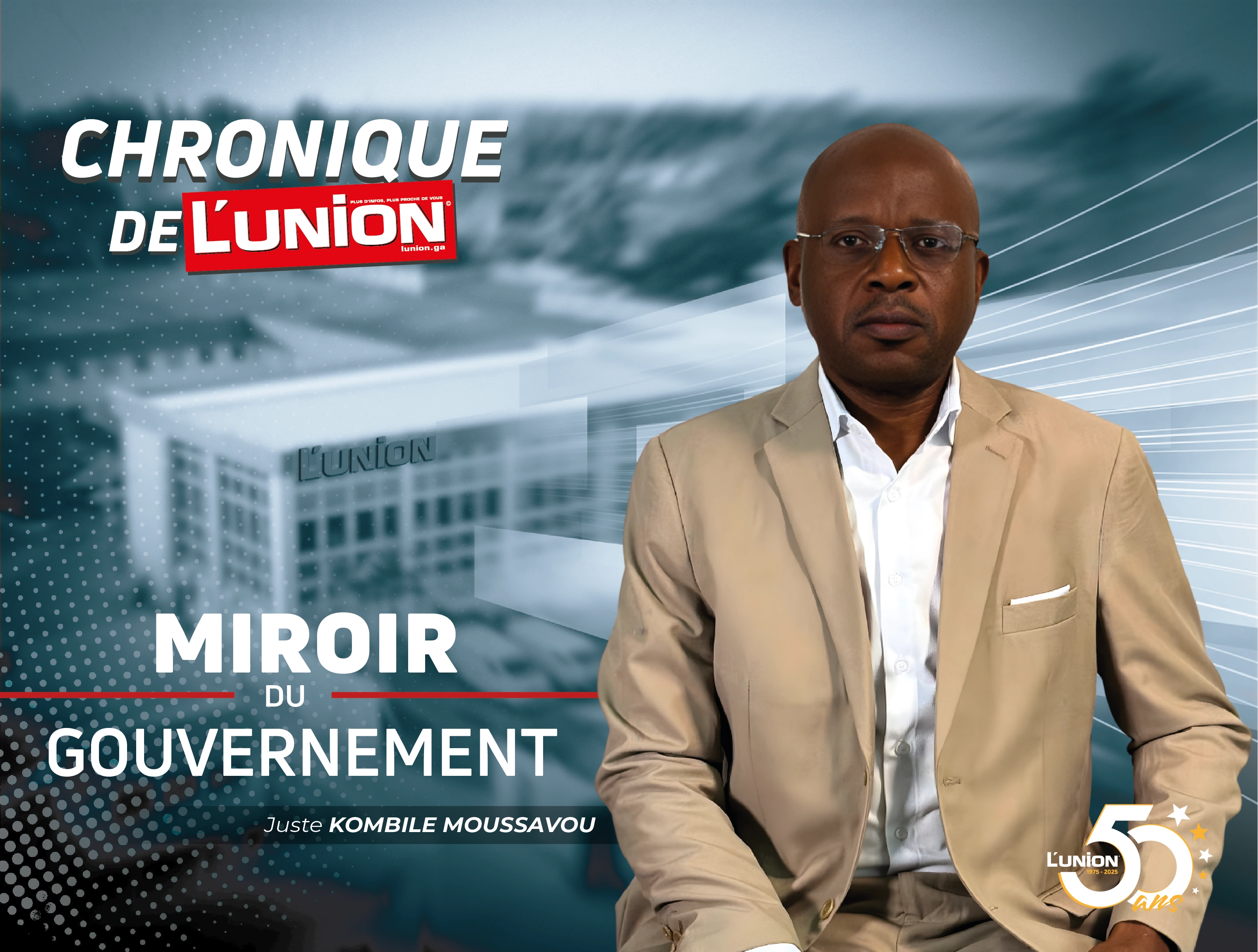
The article written by Alix-Ida MUSSAVU-KOMBILA and published on October 6, 2026, highlights the complexities of land rights in Gabon. The author argues that the government must find a way to balance state ownership with ancestral claims to land. This requires a nuanced understanding of the historical and cultural context of land use in Gabon.
The water and sanitation crisis in Libreville and other parts of the country remains a pressing issue. Meanwhile, the country's leaders have been criticized for maintaining artificially low fuel prices, which has resulted in significant financial burdens on the state. These issues demonstrate the complexities and challenges facing the government as it seeks to address the country's development needs.
The Gabonese government faces significant challenges in addressing the country's development needs while respecting the rights of communities. The land issue is a critical aspect of this challenge. By engaging in a more nuanced and inclusive conversation about land rights, the government can work towards a more equitable and sustainable future for all Gabonese citizens.
Key points
- The government of Gabon must balance state ownership with ancestral claims to land to avoid conflicts and promote peaceful land use.