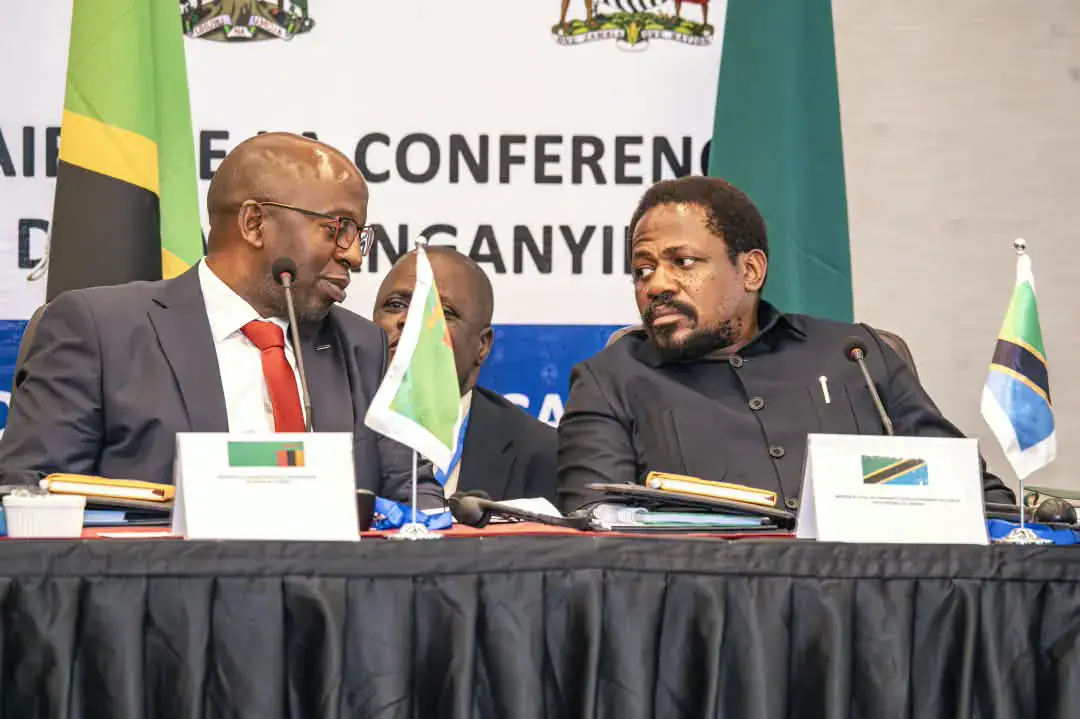
The four countries sharing Lake Tanganyika have been urged to strengthen regional cooperation, secure reliable conservation funding, and improve resource management to protect the lake's ecosystem and sustain the livelihoods of approximately 13 million people who depend on its basin. This call was made by Dr. Douty Chibamba, Chairperson of the Lake Tanganyika Authority Conference of Ministers, during the opening of a preparatory meeting in Dar es Salaam. The meeting aims to ensure that key technical, institutional, and financial documents are thoroughly examined before being submitted to ministers for consideration and approval.
The preparatory session follows a resolution adopted at the 13th meeting of the Conference of Ministers in Livingstone, Zambia, last year. The resolution called for a preparatory meeting to review important documents and facilitate informed decisions at the next ministerial conference. Dr. Chibamba emphasized that the task is not merely to review documents but to ensure that the issues presented are adequately analyzed and proposed actions are practical and achievable. He added that recommendations submitted to ministers should be based on sound assessments and reflect the common interests of the four riparian states.
One of the key issues under consideration is the proposed 2027 annual work plan and budget for the Lake Tanganyika Authority. Dr. Chibamba stressed that planned activities must align with the Convention on the Sustainable Management of Lake Tanganyika and its updated Strategic Action Programme. He also emphasized the importance of matching priorities with adequate and predictable financing, including the timely fulfillment of member states' financial obligations. Without sufficient financial and human resources, implementing agreed programs and achieving conservation objectives would remain challenging.
The meeting is also reviewing the authority's annual report to assess progress in implementing agreed programs, identify outstanding challenges, and recommend improvements to institutional performance. Another major issue is the proposed dredging of the Luga River and the feasibility of constructing a regulating dam to manage water levels in Lake Tanganyika and address flood risks. Dr. Chibamba emphasized that these proposals require careful assessment due to their potential implications for communities, infrastructure, ecosystems, and economic activities across the basin.
Delegates are also expected to examine scientific assessments of the lake's fish stocks and related fisheries documents. The findings are expected to inform discussions on fisheries conservation, sustainable harvesting, and the protection of livelihoods dependent on aquatic resources. Dr. Chibamba further called for improvements in the authority's governance, accountability, staffing, coordination among member states, and resource mobilization. A strong and effective authority is essential for translating regional commitments into measurable results on the ground.
Deputy Minister in the Vice-President's Office responsible for Union Affairs and Environment, Reuben Kwagilwa, expressed Tanzania's commitment to working with other member states to protect the lake and promote sustainable economic development. He described Lake Tanganyika as a vital natural resource, noting that its rich biodiversity and aquatic resources supported millions of people living in the basin. Tanzania is ready to work with member states and other stakeholders to protect the lake's ecosystem while promoting a sustainable blue economy.
The meeting aims to identify challenges facing the institution and develop practical, evidence-based recommendations for the ministers. Dr. Chibamba urged delegates to be candid in identifying challenges, realistic in proposing solutions, and united in their determination to safeguard Lake Tanganyika for present and future generations. The four countries sharing Lake Tanganyika must work together to ensure the lake's ecosystem is protected and its resources are managed sustainably.
Key points
- The four countries sharing Lake Tanganyika must strengthen regional cooperation and secure conservation funding to protect the lake's ecosystem.
- The proposed 2027 annual work plan and budget for the Lake Tanganyika Authority must align with the Convention on the Sustainable Management of Lake Tanganyika.
- Improvements in the authority's governance, accountability, and resource mobilization are essential for effective management of the lake's resources.