Lagos Life is a browser-based life simulation game that transforms Nigeria's commercial capital into a virtual world. Players create a character and attempt to build a life in a virtual Lagos, earning money, finding somewhere to live, navigating the city, developing skills, socializing, and managing their finances and personal needs. The game has 25 careers, each with 5 levels, ranging from an Okada Rider to an Oil Executive. Players can take gigs and develop skills to improve their prospects, with promotions linked to the skills they build.
The game turns career progression into a strategic decision, as players must balance their time between working and managing their virtual lives. Players have to deal with 6 basic needs — hunger, energy, fun, social, hygiene, and bladder — while virtually every activity consumes in-game time. Money comes from jobs, gigs, and other activities, while rent is due every Saturday, creating financial pressure similar to real-life Lagos. The game has 5 homes, ranging from a face-me-I-face-you arrangement in Mushin to a home in Lekki Phase 1 with a private bathroom.
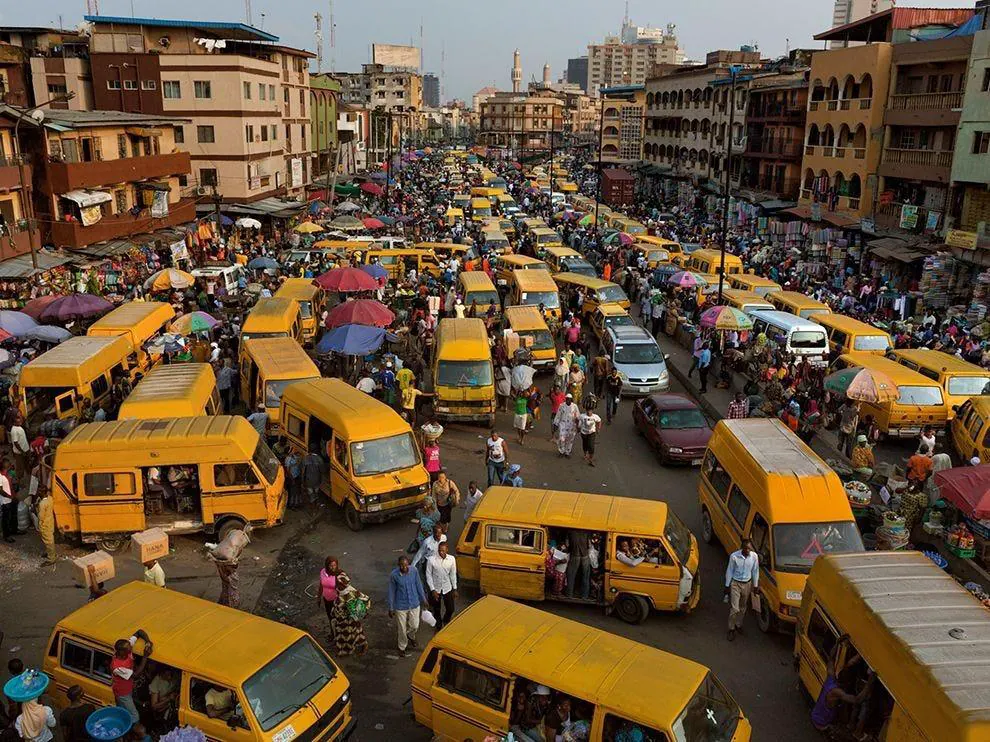
Players can buy and place 61 pieces of furniture, while groceries can be purchased and used to cook meals. The virtual housing market serves as a measure of progress, allowing players to see their circumstances improve as they earn more. Moving around Lagos is part of the simulation, with 6 transport options, including walking, danfo, keke, okada, cab, and car. Journeys are priced and timed according to distance, and the game incorporates the familiar go-slow into travel.
The virtual city includes 23 locations, such as Amala Shitta, Quilox, Elegushi Beach, Balogun Market, a church, and a mosque. Players can listen to 7 Naija radio stations as they move around the city, while characters have 10 traits, 5 aspirations, 22 wishes, and 91 moodlets that shape their virtual experiences. There are also 261 actions across 9 skills, giving players plenty of ways to spend their limited in-game time.
Politics is built into the game, with a weekly governor’s race allowing players to vote on candidates and policies, with the outcome affecting elements of the virtual economy. Lagos Life also experiments with its own virtual advertising market, with 38 billboards and 24 lagoon plots that players can rent using in-game naira. A billboard costs ₦100,000 for 7 days, while a lagoon plot costs ₦50,000 for the same period.
The game currently runs in a web browser, with Android and iPhone applications listed as coming soon. The browser-first approach removes the need for a large installation and allows players to begin with nothing more than an account and an internet connection. Lagos is one of Africa’s biggest population centers and its largest state-level internet market, with 18.60 million active internet subscriptions recorded in 2025.
The game’s developers stress that the virtual advertising market is an in-game feature rather than real advertising space or real property. The timing of Lagos Life’s release is notable, as African gaming grows and digital environments built around recognizable cities could offer brands another way of reaching audiences. The game’s focus on local culture and recognizable references may become a competitive advantage in African gaming.
Key points
- The game turns Lagos into a virtual world where players must manage their 6 basic needs and navigate the city's challenges.
- Players can take gigs and develop skills to improve their prospects, with promotions linked to the skills they build.
- The game experiments with its own virtual advertising market, allowing players to rent billboards and lagoon plots using in-game naira.