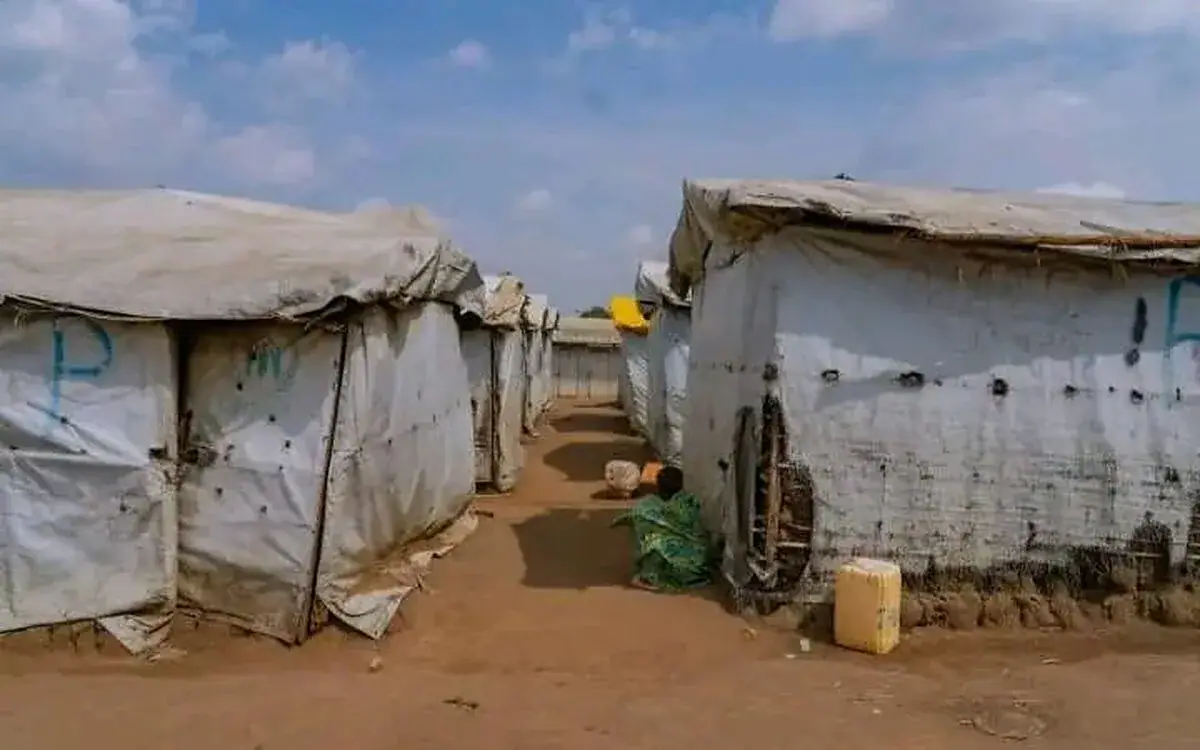
The situation at the Institut Supérieur Pédagogique (ISP) site in Bunia, Ituri, is dire, with displaced persons facing significant challenges in maintaining hygiene practices due to limited access to water and handwashing facilities. According to Olivier Bavi Karba, president of the Association of Displaced Persons in Ituri (ADPI), this has led to a relaxation of hygiene practices, increasing the risk of Ebola transmission. Karba emphasized the need for continued adherence to health recommendations and barrier measures to mitigate the risks.
The World Health Organization (WHO) had previously highlighted the difficulties posed by population displacement, overcrowding, and inadequate water, sanitation, and hygiene (WASH) services in June. These factors hinder early case detection and Ebola transmission prevention, complicating interventions by health teams in IDP sites. The WHO's concerns underscore the need for urgent attention to address these gaps and prevent further spread of the disease.
Karba stressed that vigilance must extend beyond IDP sites to host communities, to prevent exposing other residents to the disease. He called on occupants to maintain barrier measures and health recommendations, particularly during movements to host communities. This is crucial in preventing the spread of Ebola, as the disease can easily be transmitted through close contact with infected individuals.
The lack of access to water and handwashing facilities at the ISP site is a significant challenge to Ebola prevention efforts. Restoring handwashing facilities, ensuring a steady supply of water and soap, and strengthening community sensitization are essential to improving prevention conditions. These measures are critical in enabling vulnerable populations to effectively apply barrier measures and prevent the spread of Ebola.
In the context of the ongoing epidemic in Ituri, the respect of barrier measures must be accompanied by material means that allow vulnerable populations to apply them effectively. The situation requires a multi-faceted approach, including addressing the immediate needs of IDPs, strengthening community engagement, and enhancing WASH services. This will help to mitigate the risks of Ebola transmission and prevent further spread of the disease.
Efforts to address these challenges are underway, with a focus on improving WASH services, enhancing community sensitization, and strengthening interventions by health teams. The situation in Bunia, Ituri, highlights the complexities of responding to Ebola outbreaks in conflict-affected and displaced populations, where humanitarian and health needs are often interlinked.
Key points
- The lack of access to water and handwashing facilities at IDP sites in Ituri is compromising Ebola prevention efforts.
- The WHO has highlighted the challenges posed by population displacement, overcrowding, and inadequate WASH services in preventing Ebola transmission.
- Restoring handwashing facilities, ensuring a steady supply of water and soap, and strengthening community sensitization are essential to improving prevention conditions.