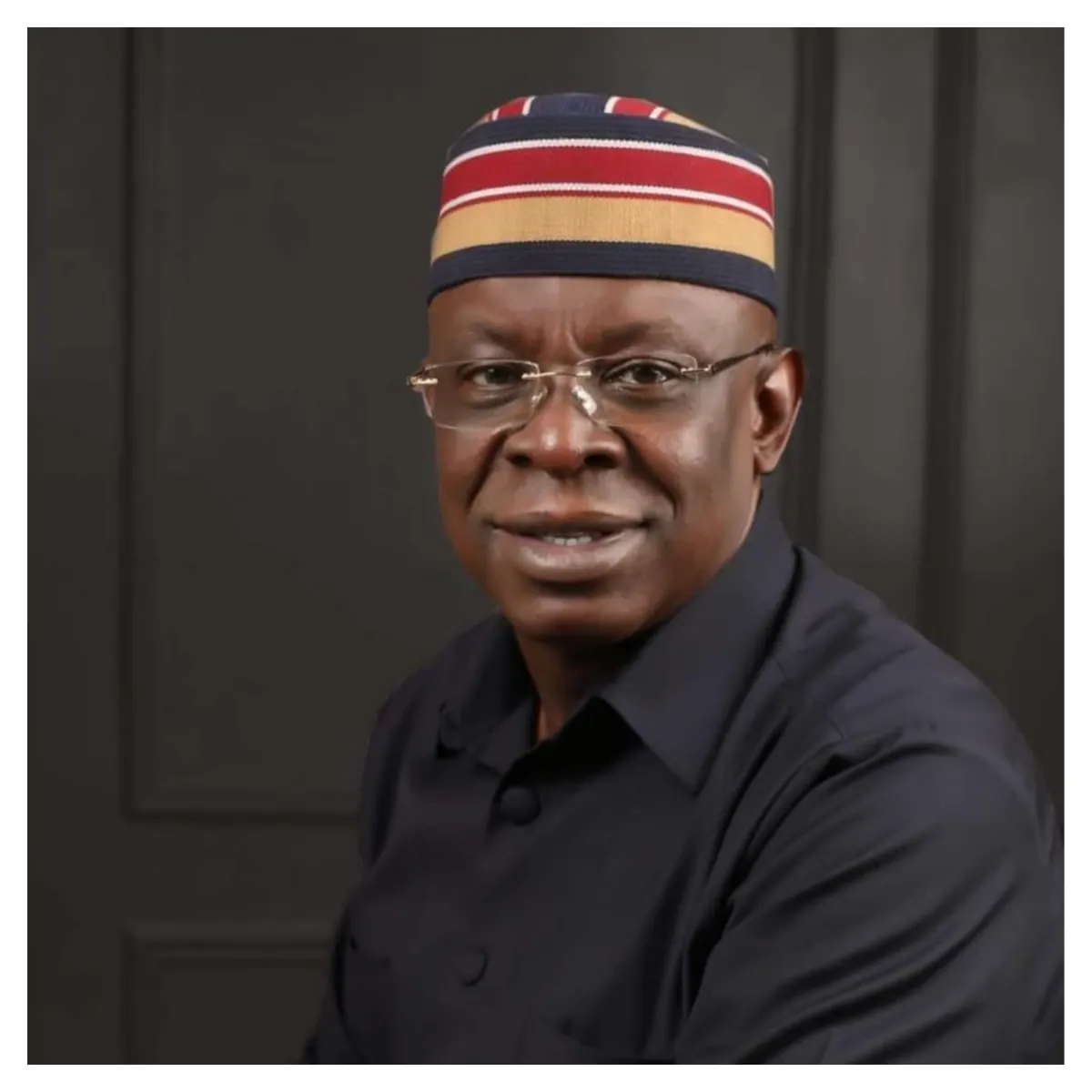
A prominent member of the Labour Party in Ebonyi State, Ezeh Emmanuel Ezeh, has expressed concern over the escalating economic hardship in Nigeria. He attributes the widespread distress to policy failures and inadequate accountability under the All Progressives Congress administration of President Bola Tinubu. Ezeh described the situation as a progression from "broken pockets" to "broken dreams" and ultimately "broken homes and a broken society."
Ezeh criticized the removal of petrol subsidy and other economic reforms introduced by the Tinubu administration, citing the substantial short-term pressures they have imposed on households and businesses. He noted that low-income households, small businesses, and young Nigerians struggling to secure employment have been particularly affected. President Tinubu announced the end of the petrol subsidy at his inauguration on May 29, 2023, defending the measure as necessary to address fiscal pressures.
The Labour Party chieftain expressed worry that the economy has negatively impacted the purchasing power of many households and deepened hardship across the country. He argued that macroeconomic indicators must ultimately translate into improved living conditions for ordinary Nigerians. Ezeh challenged political leaders in the South-East to prioritize citizens' interests in the political debate ahead of 2027.
Ezeh urged Nigerians to examine the records and policy proposals of political parties and candidates before making their electoral choices. He emphasized that the 2027 political debate should focus on policies addressing unemployment, enterprise development, security, infrastructure, and accountable governance. The Labour Party chieftain called for greater institutional accountability, economic policies protecting vulnerable citizens, and a political culture centered on service and measurable development.
Recent data from the National Bureau of Statistics show that Nigeria's economy recorded real GDP growth of 3.89 percent year-on-year in the first quarter of 2026. However, headline inflation stood at 15.39 percent and food inflation at 19.57 percent under the rebased Consumer Price Index. Ezeh maintained that the 2027 election should provide Nigerians with an opportunity to assess competing visions for the country's future.
Ezeh said rebuilding public confidence would require leadership that treats governance as a responsibility rather than an entitlement. He called on influential South-East political leaders, including Senator Pius Anyim and Governor Hope Uzodimma, to prioritize citizens' interests. The Labour Party chieftain emphasized that citizens have the democratic right to scrutinize the choices of political leaders.
Ezeh concluded that the task before Nigerians in 2027 extends beyond changing political office holders to determining the policy direction, institutional priorities, and leadership standards that would shape the country's next phase of development. He stated that a nation does not die only when its economy fails, but also when its people stop believing that tomorrow can be better than today.
Key points
- Ezeh criticizes the APC administration's economic policies, citing their impact on low-income households and small businesses.
- The Labour Party chieftain calls for greater institutional accountability and economic policies protecting vulnerable citizens.
- Ezeh emphasizes the need for a political culture centered on service, inclusion, and measurable development.