The merger between SNIPE-La Presse and Dar Assabah officially started on October 6, 2026, with SNIPE becoming the sole shareholder of Dar Assabah after acquiring its shares from Al Karama Holding for a symbolic one dinar. This move follows the government's authorization on December 13, 2025, for the transfer of shares and the launch of a merger by absorption. The decision aims to streamline operations and reduce costs through mutualization.
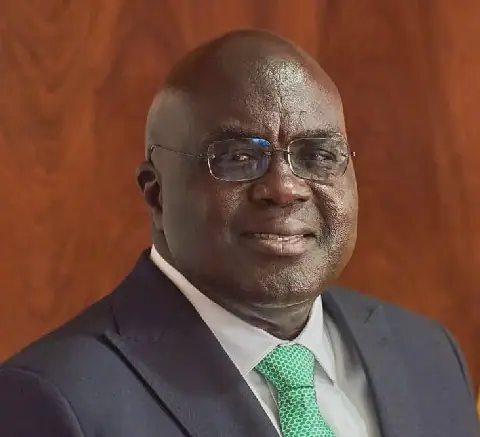
The industrial logic behind the merger is to have a common management, consolidated production means, better expense control, and accelerated digital transition. The restructuring plan also includes modernizing equipment and digitizing archives. According to Saïd Ben Kraïem, CEO of SNIPE, the state will continue to cover 100% of the salaries of both companies. He also mentioned that the 2027 consolidated budget will maintain a permanent subsidy for remunerations.
Despite the merger's objectives, the financial equation remains incomplete. Key financial details such as the consolidated payroll, revenue, losses, debts, and the number of employees of both structures are not publicly available. Additionally, the expected savings from mutualization and the amount of the 2027 subsidy have not been disclosed. This lack of transparency makes it challenging to assess the net cost of the merger to the state.
The symbolic one dinar paid for the transfer of Dar Assabah's shares settles the ownership issue but not the economic model. The actual indicator of success will be the difference between the public support mobilized, the savings realized, and the revenue generated by the new entity, particularly through digital means. The state continues to bear the financial burden of both companies, with no clear timeline for reducing dependence on public financing.
The merger's impact on the state's finances will be closely watched, as it aims to create a more sustainable and efficient entity. However, without detailed financial information, it is difficult to evaluate the merger's effectiveness. The government's decision to maintain a permanent subsidy for remunerations in 2027 suggests that the new entity will still rely heavily on public funding.
The lack of transparency regarding financial details has raised concerns about the merger's implications for the state's finances. The government's decision to authorize the merger and provide a permanent subsidy for remunerations has sparked debate about the long-term sustainability of the new entity. As the merger progresses, stakeholders will be monitoring its financial performance closely.
The success of the merger will depend on the new entity's ability to generate revenue and reduce its dependence on public financing. The state's continued financial support for both companies highlights the challenges ahead. As the entity begins its operations, its financial performance will be crucial in determining the merger's overall impact on the state's finances and the economy.
Key points
- The state will continue to cover 100% of the salaries of both companies.
- The 2027 consolidated budget will maintain a permanent subsidy for remunerations.
- The actual cost of the merger to the state's finances remains unclear due to a lack of detailed financial information.