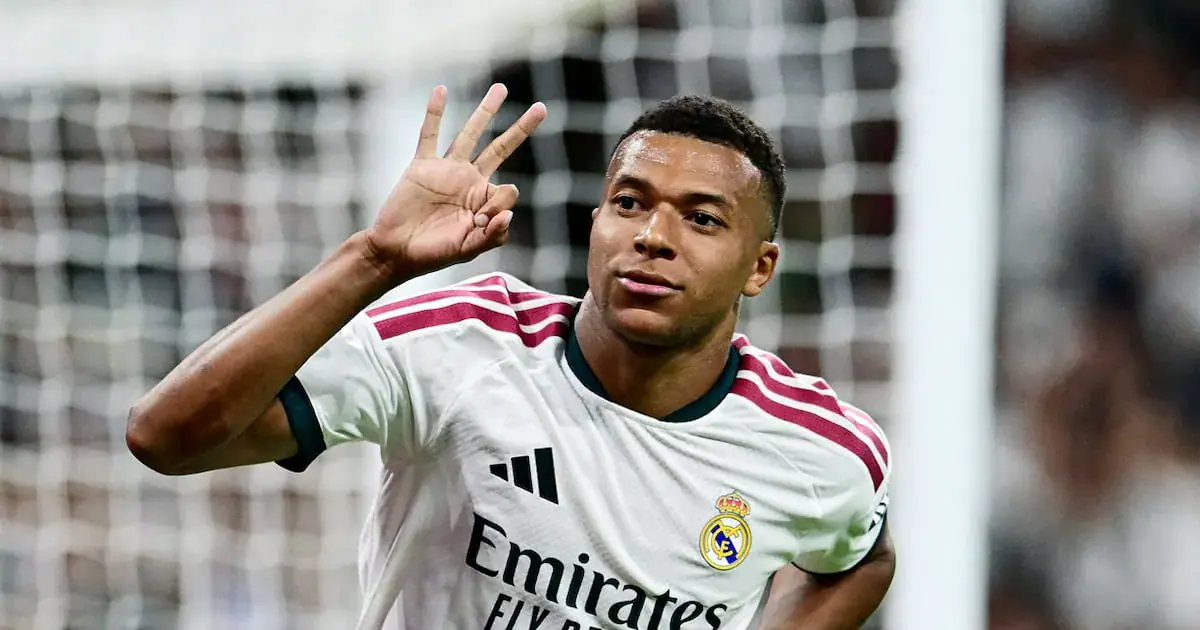
French footballer Kylian Mbappe has faced swift and severe backlash in China after making remarks about Mao Zedong, the country's former communist leader. In a podcast clip, Mbappe referred to Mao as "some guy — I think he's a Chinese dictator". The comments sparked widespread outrage, leading to sponsors such as Mengniu Dairy, Shanghai Milkground, and Eastroc ending their cooperation with him. State broadcaster CCTV also removed Mbappe-related advertising, and Chinese social media platforms restricted access to his accounts.
The speed and severity of the fallout will be familiar to companies, brands, and celebrities with exposure to China. This episode is the latest reminder of a business risk that remains difficult to manage despite years of similar controversies. Foreign brands have repeatedly faced public backlash in China, from Dolce & Gabbana's cancelled Shanghai fashion show in 2018 to boycotts of H&M, Nike, and Adidas over Xinjiang cotton. The pattern is similar: a remark or statement gains traction online, commercial partners come under pressure to respond, and reputational damage quickly outgrows the original offence.
Analysts say that understanding how Chinese audiences will react and the cultural implications of not self-policing is crucial for success in China. Michael MacRitchie, founder of MGI Group, said that his firm includes behavioural and reputational clauses in endorsement contracts to mitigate such risks. Mark Dreyer, a sports analyst, noted that leagues, clubs, and athletes must be aware of the potential reaction such incidents can provoke, but also acknowledged that some outrage may be manufactured.
The line between genuine public anger and state-amplified outrage can be difficult to draw. As the controversy unfolded, the original comments about Mao were largely inaccessible on China's heavily censored internet. Many consumers were therefore exposed to reports of sponsors dropping Mbappe and official media condemning him, rather than the original comments. Dreyer said that it would be unwise for leagues, clubs, and athletes to underestimate the reaction such incidents can provoke.
Zak Dychtwald, founder of BridgeWorks Global, said that although these controversies remain relatively common, they are preventable. He advised that "red line education" should be a foundation for any business or individual participating in the Chinese market. However, Wei Kan, founder of consultancy Conduit Asia, noted that China's political and cultural red lines are rarely clearly defined, making it challenging for brands and celebrities to navigate.
Mbappe apologized on Tuesday, describing his remarks as "ill-judged". The episode highlights the importance of understanding China's cultural and political sensitivities. Analysts say that political and cultural risks are still often treated as secondary considerations rather than routine commercial hazards. MacRitchie and others point to market-specific briefings, media training, and crisis-response planning as increasingly necessary safeguards.
The incident serves as a reminder of the risks of crossing cultural red lines in China. As Dychtwald said, "When it goes well, everybody celebrates. But when you get [China] wrong, it can be extraordinarily painful and swift in its retribution." Mbappe's experience is a cautionary tale for foreign businesses, brands, and celebrities seeking to navigate the complex Chinese market.
Key points
- Companies and celebrities must understand China's cultural and political red lines to avoid backlash.
- The line between genuine public anger and state-amplified outrage can be difficult to draw in China.
- Red line education and crisis-response planning are increasingly necessary safeguards for businesses operating in China.