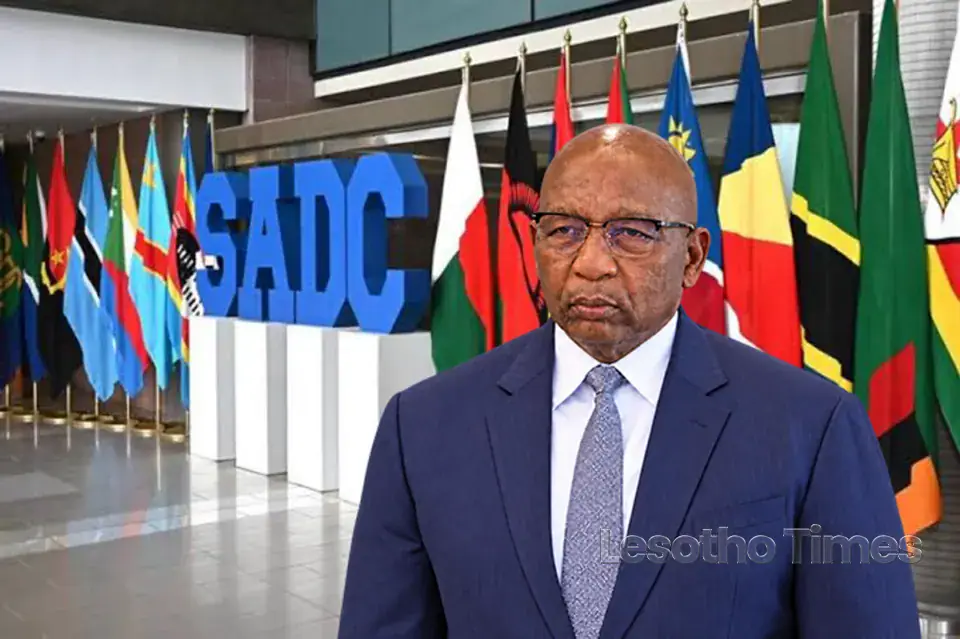
Lesotho's election as the incoming chair of the Southern African Development Community (SADC) Organ on Politics, Defence and Security Cooperation is a notable diplomatic achievement. The country spent over a decade under regional scrutiny for political instability, military interference, and security-sector failures. This new role is a vote of confidence that Basotho should welcome, but it also demands continued reform, accountability, and peace at home.
Prime Minister Sam Matekane's election to the position followed an extraordinary summit of SADC heads of state and government. This development marks a significant turnaround in Lesotho's regional standing, having been removed from the Organ's agenda in August 2025 after years of observation. The country was placed under the Organ's agenda in 2014 following an attempted military coup and further entrenched its reputation for instability with the 2015 assassination of former army commander Lieutenant General Maaparankoe Mahao.
The killing of Lieutenant General Khoantle Motšomotšo by fellow soldiers in 2017 further solidified the country's reputation for instability, prompting the deployment of the SADC Preventive Mission in Lesotho. For years, Lesotho was a recurring test of SADC's commitment to democratic governance, civilian authority, and regional security. Its elevation to a leadership role suggests that the region believes Lesotho has made sufficient progress to contribute meaningfully to the search for solutions elsewhere.
Foreign Affairs and International Relations Minister, Limpho Tau, described the appointment as an honour for all Basotho, irrespective of political affiliation. This is not a victory for the ruling Revolution for Prosperity party alone, nor should it be presented as a personal triumph for Prime Minister Sam Matekane. The appointment belongs to the nation, but national pride must not become an excuse for complacency or political grandstanding.
Lesotho's constitutional and institutional reforms, recommended by SADC over many years, have been painfully slow. The passage of the Tenth Amendment to the Constitution in 2025 was an important step towards addressing longstanding governance weaknesses, but the broader reform process remains unfinished. The country cannot credibly champion institutional reform and democratic stability in the region while leaving critical questions about its own governance arrangements unresolved.
The government must resist the temptation to interpret Lesotho's new standing as proof that all domestic security concerns have been settled. Although the authorities banned famo groups in May 2024 and have taken measures against associated violence, reports of gun violence indicate that the problem has not disappeared. Ordinary citizens must be able to live and work without fear, and the country's security credentials are measured not only by the conduct of its police and military but also by the safety experienced in its communities.
Lesotho's new responsibilities will extend beyond its borders, and the country should approach these responsibilities with humility. The Organ plays a crucial role in promoting peace, mediation, conflict resolution, and security cooperation among SADC's 16 member states. The country is expected to assume the chairmanship in 2027/28 and serve as outgoing chair in 2028/29, giving it three consecutive years in the Organ Troika.
Key points
- Lesotho's election as incoming chair of SADC's Organ on Politics, Defence and Security Cooperation demands continued reform, accountability, and peace at home.
- The country's new role brings practical benefits, including opportunities to support the hospitality sector and strengthen the expertise of public servants in politics, defence, and security.
- The value of the appointment must be judged by the quality of Lesotho's contribution to regional peace and the capacity it builds at home.