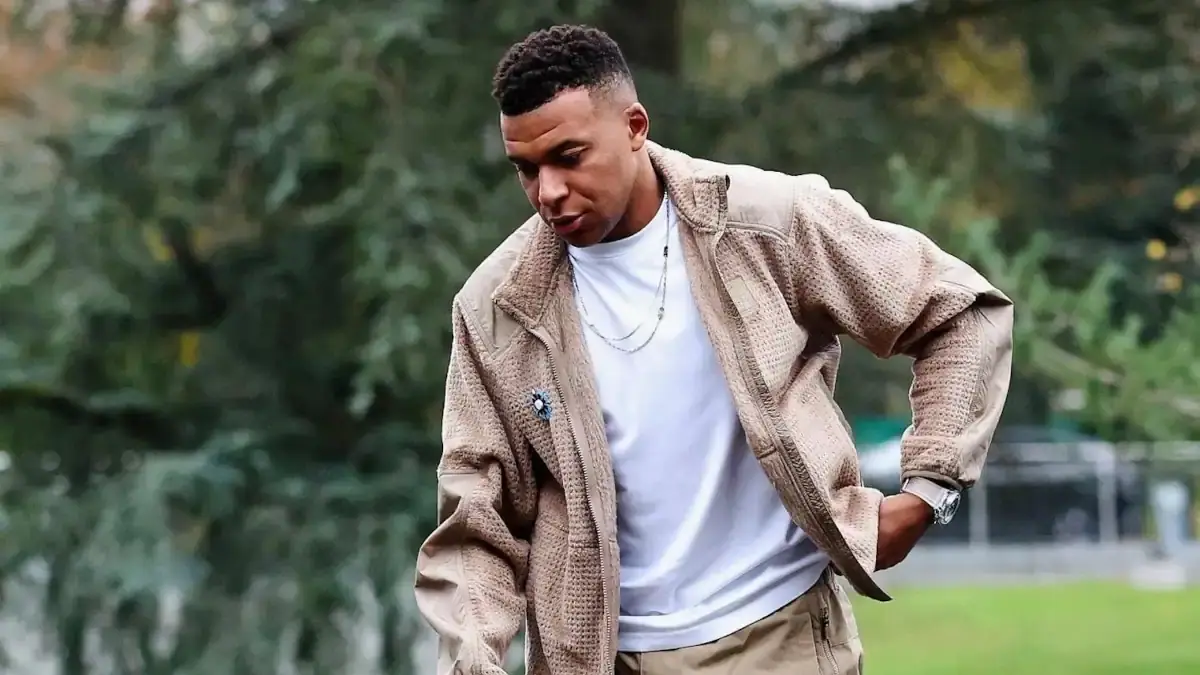
French football star Kylian Mbappé has issued an apology for his recent comments on Mao Zedong, the former Chinese leader, but the repercussions of his statements continue to unfold in China. In a podcast interview, Mbappé mentioned a meme that likened him to Mao Zedong, which he found amusing, but his remarks were met with widespread criticism. The incident has sparked a heated debate in China, with many questioning Mbappé's understanding of Chinese history and politics.
Despite his apology, the backlash against Mbappé has intensified, with his social media accounts being restricted in China. His accounts on popular Chinese platforms Weibo and Xiaohongshu, which had over two million followers, are no longer accessible for new subscriptions. This development has significant implications for his online presence and engagement with his Chinese fans. Furthermore, several major brands, including Dior and Hublot, have removed promotional content featuring Mbappé from their Chinese social media accounts.
The controversy has also affected Mbappé's commercial image in China, where he enjoyed immense popularity among football fans. The removal of his promotional content has raised questions about the long-term impact on his endorsement deals and brand partnerships in the country. Additionally, reports suggest that some physical stores in China have begun to distance themselves from Mbappé, with a prominent Adidas store in Beijing reportedly not stocking any Mbappé jerseys.
The situation highlights the complexities of navigating cultural sensitivities in a globalized sports landscape. As a prominent athlete with a massive following, Mbappé's comments have sparked a wider conversation about cultural awareness and the importance of being mindful of historical references. The incident serves as a reminder of the potential consequences of thoughtless remarks, particularly in a country like China with a rich history and strong national identity.
The Chinese media has been cautious in their response, with state-run outlets describing Mbappé's comments as "inappropriate" without directly referencing Mao Zedong. This measured approach suggests that the Chinese authorities are seeking to address the issue without escalating tensions further. Meanwhile, unofficial merchandise featuring Mbappé remains available on online marketplaces like Taobao, indicating that his popularity among Chinese fans has not entirely dissipated.
The repercussions of Mbappé's comments have sparked debate about the role of athletes as cultural ambassadors and the need for greater cultural sensitivity in their public statements. As the incident continues to unfold, it remains to be seen how Mbappé will recover from this setback and what steps he will take to repair his image in China. For now, the consequences of his remarks serve as a cautionary tale for athletes and public figures operating in a globalized media environment.
In conclusion, the fallout from Mbappé's comments on Mao Zedong has significant implications for his brand and reputation in China. As the situation continues to evolve, it will be crucial for Mbappé and his team to navigate the complexities of cultural diplomacy and take steps to rebuild trust with his Chinese fans. The incident serves as a reminder of the importance of cultural awareness and sensitivity in today's interconnected world.
Key points
- Mbappé's comments on Mao Zedong have sparked widespread criticism in China, leading to restricted social media accounts and removal of promotional content.
- The incident has significant implications for Mbappé's commercial image and endorsement deals in China.
- The controversy highlights the importance of cultural awareness and sensitivity for athletes and public figures operating in a globalized media environment.