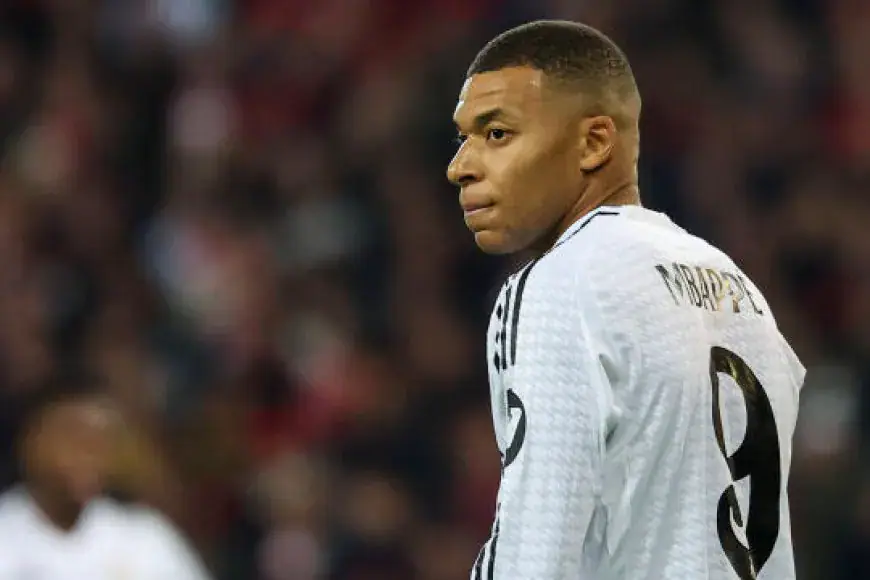
French football star Kylian Mbappé has apologized to the Chinese people for his recent comments about Mao Zedong, a highly revered figure in Chinese history. The apology comes after widespread criticism and backlash in China, where Mbappé's joke was seen as disrespectful to the country's history and people. In a statement released on October 27, 2026, Mbappé expressed regret for his words, saying he had not intended to offend anyone.
The controversy began when a video clip of Mbappé making a joke about Mao Zedong was shared on social media, sparking outrage and anger among Chinese netizens. Many expressed their disappointment and frustration, feeling that Mbappé's comment was a sign of disrespect to China's rich history and cultural heritage. The backlash quickly gained momentum, with several Chinese sponsors and partners distancing themselves from the footballer.
As a result of the controversy, Mbappé faced significant repercussions, including the loss of several sponsors and restrictions on his social media presence in China. The incident also drew attention from football authorities, with Javier Tebas, president of La Liga, issuing an apology to the Chinese people on behalf of the league. Tebas emphasized the importance of maintaining good relations with China, a key market for La Liga and its teams.
In his apology statement, Mbappé acknowledged that his words were "maladroit" and expressed deep respect for the Chinese people and their history. He clarified that his intention was not to offend anyone and promised to be more mindful in the future. The footballer's apology was seen as a positive step towards containing the fallout, but it remains to be seen whether it will be enough to repair his image in China.
The incident highlights the challenges that global sports stars face when engaging with diverse cultural contexts. As a high-profile athlete with a massive following, Mbappé's words and actions are closely scrutinized, and his comments can have significant repercussions. The controversy also underscores the importance of cultural sensitivity and awareness, particularly when interacting with audiences from different backgrounds.
The reaction to Mbappé's apology has been mixed, with some Chinese netizens accepting his explanation and others remaining skeptical. The incident has sparked a wider debate about cultural exchange, sports diplomacy, and the responsibilities that come with being a global sports icon. As the situation continues to unfold, it will be interesting to see how Mbappé and La Liga navigate the complexities of cultural engagement and reputation management.
The controversy has sparked a significant reaction on social media, with many users weighing in on the issue. Some have praised Mbappé for his apology, while others have criticized him for not being more thoughtful in his initial comments. The incident serves as a reminder of the power of social media to amplify and shape public discourse, particularly in the context of global sports and celebrity culture.
Key points
- Kylian Mbappé apologized to the Chinese people for making a joke about Mao Zedong that sparked widespread criticism and boycotts in China.
- The apology comes after significant backlash, including the loss of sponsors and restrictions on his social media presence in China.
- The incident highlights the challenges that global sports stars face when engaging with diverse cultural contexts and the importance of cultural sensitivity and awareness.