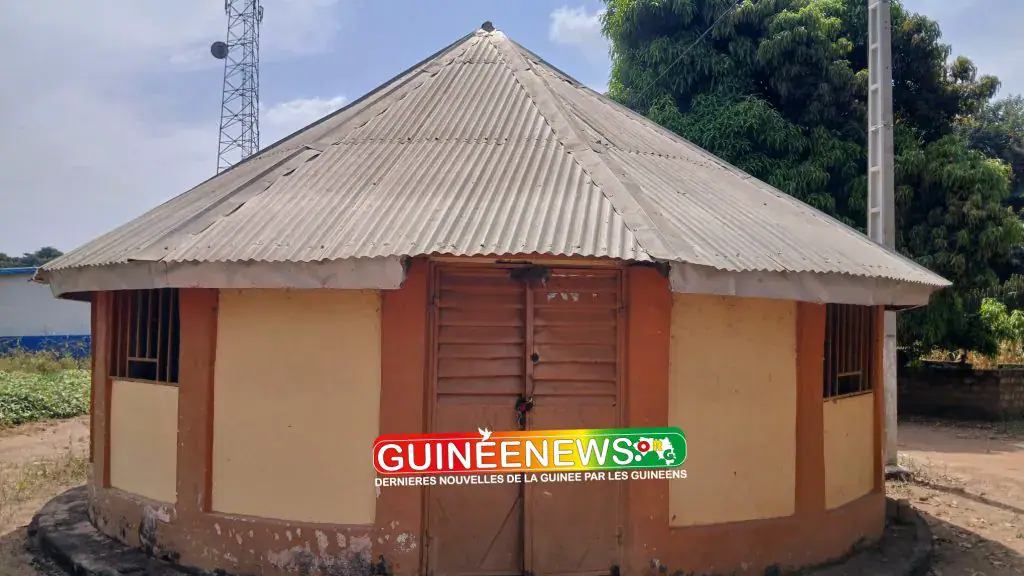
Koumana, a rural commune in Guinea's Kouroussa prefecture, is struggling with basic infrastructure 49 years after being established as an under-prefecture. Despite having a population of several thousand, mostly farmers, the area lacks essential services such as electricity, clean water, and proper roads. The under-prefecture's administrative office, led by a sous-préfet, operates out of a simple case, highlighting the community's limited resources.
The under-prefecture's infrastructure woes are compounded by a severe shortage of administrative buildings, with the sous-préfet's office located in a basic case. This setup is inadequate for handling administrative tasks, receiving citizens, and hosting official missions. Furthermore, the office lacks necessary furniture and equipment, exacerbating the challenges faced by local authorities. The area's main access road remains unpaved, making travel difficult for residents.
The education sector in Koumana is also facing significant challenges. The local primary school, built in 1953, is in a state of disrepair, with damaged roofs, crumbling walls, and deteriorated doors. Some classrooms are no longer functional and have become shelters for animals. The school's poor condition affects the delivery of lessons, particularly during the rainy season. Additionally, the school faces a critical shortage of teachers, with only four educators responsible for nine groups of students.
Sékou Sidibé, deputy director of the primary school, described the difficult conditions faced by teachers and students. He emphasized the need for renovations to the school and an increase in the teaching staff. The lack of proper storage for documents and books, as well as limited access to clean water and sanitation facilities, further compounds the challenges. Sidibé appealed to the government and well-meaning individuals for assistance in renovating the school and improving the learning environment.
Mamadi 3 Keita, mayor of the rural commune of Koumana, expressed concern about the community's development challenges. He cited a range of issues, including a shortage of teachers, limited access to clean water, inadequate roads, and a lack of electricity. The mayor called on the government to provide support, including the construction of a health center and a youth center. He also highlighted the consequences of these challenges for children's education.
Local residents also expressed frustration about the lack of infrastructure and services in Koumana. Bily Kourouma, a citizen of the commune, lamented the community's situation, despite being one of the first under-prefectures in Guinea. He appealed to the government for assistance, citing the need for basic infrastructure such as a proper school and administrative office. Residents are eager to see the authorities translate promises of development into concrete actions.
The situation in Koumana highlights the need for investment in rural areas of Guinea. With a lack of basic infrastructure and services, residents face significant challenges in their daily lives. The community's development challenges are considerable, and urgent action is required to address these issues. The government and well-meaning individuals are being called upon to provide support and help improve living conditions for the people of Koumana.
Key points
- Koumana under-prefecture lacks basic infrastructure 49 years after establishment
- Local school is in disrepair and faces teacher shortage
- Residents call on government for assistance to address development challenges