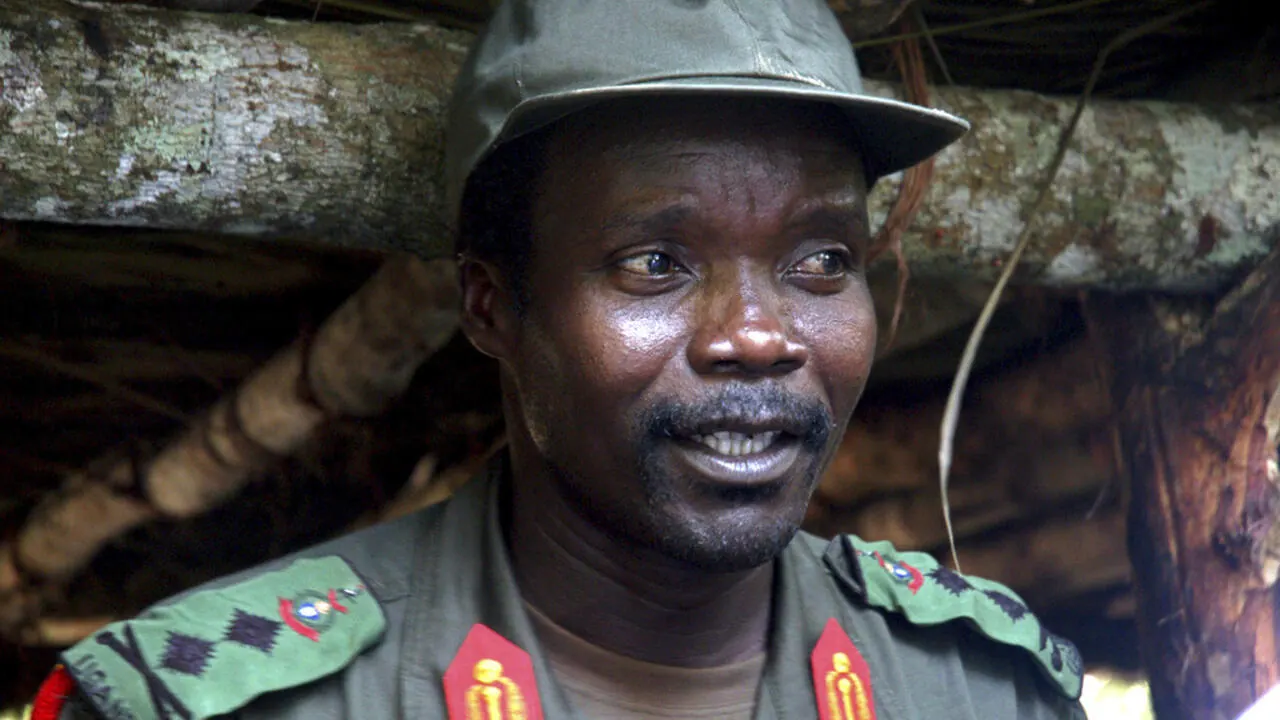
Joseph Kony, the elusive leader of the Lord's Resistance Army, has been wanted by the International Criminal Court for over 20 years. Kony, once an altar boy, established the LRA in 1987 with the aim of overthrowing Ugandan President Yoweri Museveni and establishing a regime based on biblical tenets. The conflict has resulted in over 100,000 deaths and displaced more than two million people, primarily in northern Uganda, according to the United Nations. The LRA's actions have had a profound impact on the region, causing widespread destruction and human suffering. The group's activities have been marked by extreme violence and human rights abuses. Kony's ability to evade capture has been attributed to his intimate knowledge of the region and his group's tactical resilience.
The LRA had largely faded from view after being driven out of Uganda in 2006, but it has resurfaced in recent months, particularly in the eastern and southeastern Central African Republic. At least 25 children have reportedly been abducted during attacks attributed to Kony's militia. The group recruits children, often using violence and fear to indoctrinate them into combat, creating new generations of fighters. This has raised concerns about the long-term impact of the LRA's activities on the region's children and communities. The ICC has expressed concern about the LRA's resurgence, highlighting the organisation's continued threat to regional stability. The group's actions have been widely condemned by human rights organisations and the international community.
Leonie von Braun, the ICC's Senior Trial Lawyer and lead investigator in Kony's case, has highlighted the organisation's resurgence. Although the LRA is weaker than in the 2000s, it remains a significant threat. Von Braun has stressed the importance of bringing Kony to justice for the grave crimes committed against vulnerable populations, particularly children and women. The ICC issued an arrest warrant for Kony in 2005, and the United States has offered a $5 million reward for his capture. However, Kony's ability to evade capture has frustrated efforts to bring him to justice. The ICC continues to monitor the situation closely, working with regional authorities to track Kony's movements.
Kony's operations involve significant risks, particularly due to the presence of many children within the group, complicating any military action against them. The LRA's tactics have been marked by extreme violence and human rights abuses, including the use of child soldiers and forced recruitment. The group's activities have had a profound impact on regional stability, causing widespread displacement and human suffering. The international community has condemned the LRA's actions, and efforts to bring Kony to justice continue. The ICC's case against Kony serves as a critical test for the court's mandate, which relies on state cooperation for executing warrants.
Recently reported to be 65 years old, Kony is believed to still be alive and operating within the LRA's hierarchy, though possibly not on the front lines. The ICC continues to monitor the situation closely, stressing the importance of bringing Kony to justice. The court's efforts to track Kony's movements have been hindered by the group's tactical resilience and Kony's intimate knowledge of the region. The LRA's resurgence has raised concerns about regional stability and the impact on local communities. The international community remains committed to bringing Kony to justice and holding him accountable for his crimes.
The LRA's conflict has become one of Africa's longest and deadliest, with significant humanitarian and economic impacts on the region. The group's actions have caused widespread destruction and human suffering, particularly in northern Uganda. The international community has provided significant humanitarian assistance to affected communities, but long-term solutions to the conflict remain elusive. The ICC's case against Kony highlights the challenges of international justice, particularly in cases where state cooperation is limited. The court's efforts to bring Kony to justice serve as a critical test for its mandate and the international community's commitment to accountability.
The ICC's case against Kony serves as a critical test for the court's mandate, which relies on state cooperation for executing warrants. The challenges of international justice are highlighted in cases like Kony's, where state cooperation is limited and the accused has significant tactical resilience. Despite these challenges, the ICC remains committed to bringing Kony to justice and holding him accountable for his crimes. The court's efforts to track Kony's movements and bring him to justice continue, with the support of regional authorities and the international community. The case against Kony will continue to be closely watched by the international community.
Key points
- Joseph Kony, the leader of the Lord's Resistance Army, remains active after 20 years on the run, despite an ICC arrest warrant and US reward for his capture.
- The LRA has resurfaced in recent months, particularly in the eastern and southeastern Central African Republic, where at least 25 children have reportedly been abducted.
- The ICC continues to monitor the situation closely, stressing the importance of bringing Kony to justice for the grave crimes committed against vulnerable populations.