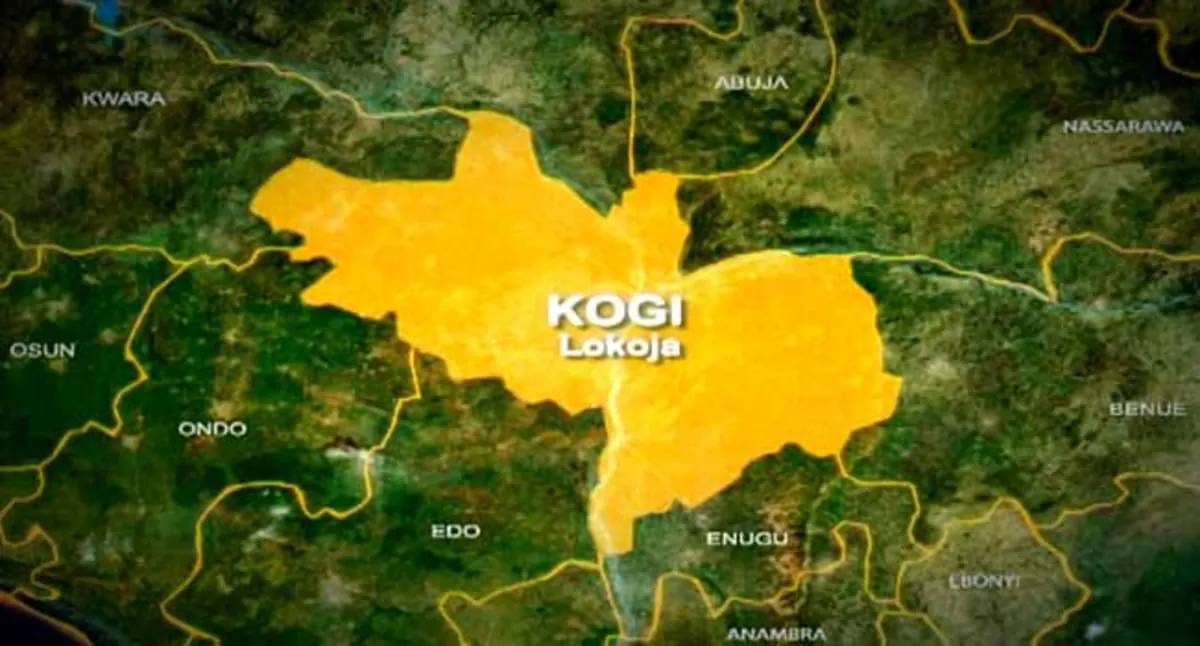
The Kogi State Internal Revenue Service (KGIRS) has set a target of N66.4 billion in Internally Generated Revenue (IGR) for 2027. This represents a 51.3% increase from the current baseline of N43.9 billion. The target was disclosed during a strategic engagement between KGIRS and revenue-generating Ministries, Departments and Agencies (MDAs) at the Service's headquarters in Lokoja.
The meeting focused on reviewing existing revenue sources, identifying areas for improvement, and developing strategies to strengthen revenue mobilisation across the state. The Special Adviser to the Governor on Internally Generated Revenue, Dr Rahman Nasir Ichanyi, emphasised the need for automation, transparency, and traceability in all government revenue collection processes. He described the practice as a criminal offence and urged MDAs to adopt innovative approaches to identifying legitimate revenue opportunities.
Dr Ichanyi noted that increased IGR would strengthen the government's capacity to provide essential services and meet its obligations to citizens. The Executive Chairman of KGIRS, Dr Sule Salihu Enehe, represented by the Director of Income Tax, Mr Emmanuel Yusufu, challenged the MDAs to develop a deeper understanding of revenue generation. He ensured that all revenue estimates were properly documented and accounted for.
Dr Enehe urged the agencies to review their existing revenue lines, identify areas where collections could be improved, activate dormant sources, and explore legitimate avenues for expanding their revenue bases. He stressed that achieving the N66.4 billion target would require collective responsibility, greater efficiency, and stronger collaboration between KGIRS and the various revenue-generating MDAs.
According to KGIRS, the engagement formed part of its broader strategy to consolidate gains recorded under Dr Enehe's leadership and further expand Kogi State's revenue base. Since Dr Enehe assumed office in 2021, monthly IGR has risen from about N750 million in November 2021 to between N3.5 billion and N4 billion currently.
The Service attributed the increase to reforms in tax administration, particularly greater automation and the introduction of a Central Billing System aimed at reducing revenue leakages and improving collection efficiency. KGIRS is strengthening technology-driven revenue administration under the new law, with an emphasis on compliance, transparency, proper documentation, and mobilisation of additional revenue sources.
The stakeholders' meeting provided an opportunity for KGIRS and the MDAs to assess revenue performance, identify existing gaps, revive dormant revenue lines, and establish measurable strategies for achieving the 2027 projection. Continued emphasis on automation, compliance, and broader revenue mobilisation would strengthen revenue administration and support efforts to achieve the projected N66.4 billion IGR target.
Key points
- KGIRS sets N66.4 billion IGR target for 2027, a 51.3% increase from N43.9 billion.
- The target requires collective responsibility, greater efficiency, and stronger collaboration between KGIRS and revenue-generating MDAs.
- KGIRS has implemented reforms in tax administration, including greater automation and a Central Billing System to reduce revenue leakages and improve collection efficiency.