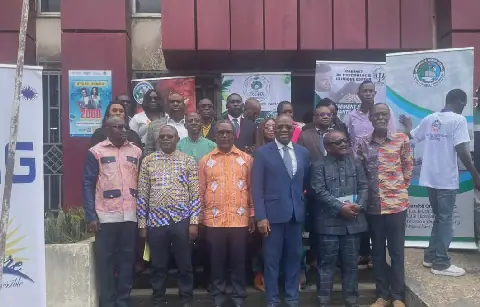
The Kogelberg Biosphere has taken a significant step towards protecting its unique ecosystem by establishing a steering committee to coordinate the clearing of invasive alien plants. The committee, which held its inaugural meeting last week, brings together representatives from various organisations, including CapeNature, the City of Cape Town, and the Department of Agriculture. This unified approach aims to tackle the issue of invasive plants in a more strategic and effective manner.
The formation of the Kogelberg Biosphere Alien Clearing Steering Committee is a response to the growing concern about the impact of invasive alien plants on the region's water security and ecosystem. The Kogelberg Biosphere plays a crucial role in regional water security, with its mountain catchments forming part of the Boland and Groot Winterhoek strategic water source area. This area supplies water to Cape Town, surrounding towns, agriculture, and industry.
According to Corlie Hugo, CEO of the Kogelberg Biosphere, the committee will provide a platform to coordinate existing initiatives, identify gaps, and improve the allocation of resources across the wider landscape. For years, crucial alien-clearing work has been taking place across the biosphere, but much of it has been driven by separate organisations and projects. The committee will now bring this information together, enabling a more comprehensive approach to addressing the issue.
The initiative is particularly important given the risks posed by invasive alien plants, including reduced water flow, increased wildfire risk, and threats to the region's unique fynbos ecosystems. Dense stands of invasive alien trees can significantly reduce water reaching rivers and dams, highlighting the need for a strategic approach to clearing these plants.
The committee's formation coincides with additional funding becoming available through the Sugarbird Project, which already supports alien clearing in the Hangklip area. From early 2027, additional clearing teams are expected to be deployed within the biosphere, focusing on priority areas identified through its management plan. This increased support is expected to boost efforts to combat invasive alien plants.
The steering committee is expected to meet twice a year, with one of its priorities being to establish a central database recording alien-clearing activities across the biosphere. This database will help track progress, identify areas of focus, and ensure that efforts are being maximised. By working together, the various organisations involved aim to make a significant impact on the region's ecosystem.
The Kogelberg Biosphere's efforts to combat invasive alien plants are a crucial step towards protecting the region's unique ecosystem and ensuring the long-term sustainability of its water resources. With the support of the steering committee and additional funding, the community is well-positioned to tackle this pressing issue and preserve the beauty and biodiversity of the Kogelberg Biosphere.
Key points
- The Kogelberg Biosphere has established a steering committee to coordinate the clearing of invasive alien plants.
- The committee brings together representatives from various organisations, including CapeNature, the City of Cape Town, and the Department of Agriculture.
- Additional funding from the Sugarbird Project will support the deployment of extra clearing teams within the biosphere from early 2027.
Reporting sources
- Kogelberg unites to tackle alien invaders · Village News