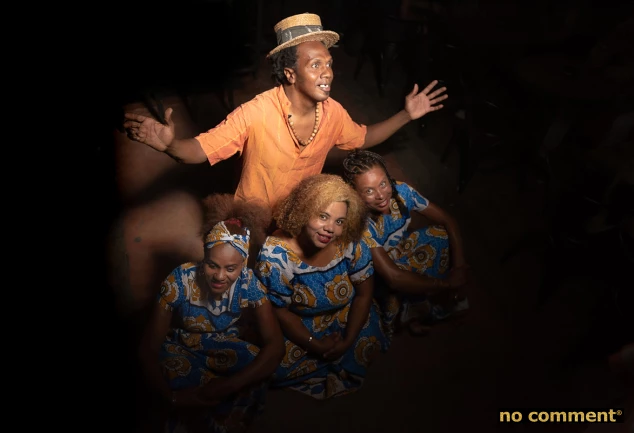
After years of silence, the Malagasy music group Koezy has made a comeback to the music scene. They performed at the no comment bar in Isoraka, Antananarivo, in March. The group aims to transmit fundamental values through their music, blending traditional and modern approaches to reach a wider audience. Their music style is deeply rooted in Malagasy culture, with inspiration drawn from various regions of the country.
Koezy's music career began with their hit song Alamino, from their 2005 album Ma Liberté. The song's success led to a five-year international tour in China. However, upon their return to Madagascar, the group faced challenges, including the closure of their recording studio and the need to pay for media airplay. These setbacks forced them to adapt and find alternative ways to produce and distribute their music.
The group's music is characterized by its unique blend of traditional and modern elements. They incorporate various Malagasy rhythms, such as antsa, jijy, baoejy, kabosy, and salegy, into their songs. Koezy's members also draw inspiration from their cultural heritage, using traditional instruments and attire in their performances. The group's goal is to preserve and promote Malagasy culture, particularly among the younger generation.
Koezy's music often conveys social messages, focusing on themes of love, peace, and reconciliation. Their songs aim to promote unity and address social issues. The group's name, Koezy, which means "blessing" or "respect," reflects their commitment to preserving and sharing Malagasy culture.
One of Koezy's distinctive features is their emphasis on female participation. The group initially aimed to be an all-female ensemble but now consists of both men and women. The members believe that their music can serve as a bridge between traditional and modern styles, appealing to a diverse audience.
To make their music more contemporary, Koezy has incorporated modern instruments, such as guitars and drums, into their sound. The group's performances often feature a mix of traditional and modern elements, showcasing their unique style. Koezy's music has resonated with audiences, both locally and internationally.
Koezy's revival is significant, as it highlights the richness and diversity of Malagasy culture. The group's efforts to preserve and promote traditional music have earned them recognition, particularly among foreigners who appreciate Malagasy culture. As Koezy continues to create and perform music, they hope to inspire a new generation of Malagasy artists and music enthusiasts.
Key points
- Koezy combines traditional Malagasy music with modern elements to create a unique sound.
- The group's music conveys social messages, focusing on themes of love, peace, and reconciliation.
- Koezy aims to preserve and promote Malagasy culture, particularly among the younger generation.