For decades, Ghana's national campaigns against parasitic diseases such as river blindness have excluded children under five years old. The exclusion is due to insufficient safety data to justify treating them with ivermectin. However, researchers at the Kwame Nkrumah University of Science and Technology's (KNUST) Kumasi Centre for Collaborative Research in Tropical Medicine (KCCR-KNUST) are working to close this gap. They aim to generate clinical and regulatory evidence to support ivermectin use in children weighing between five and 15 kilogrammes.
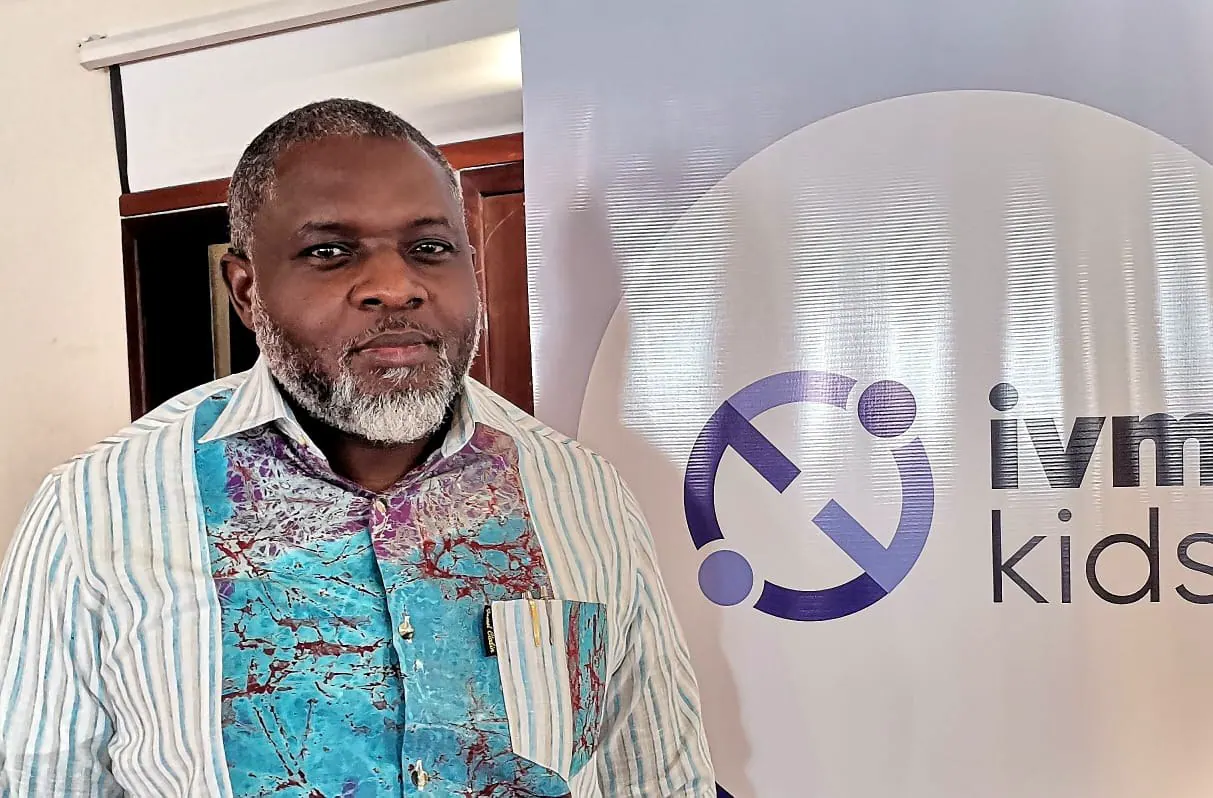
Ivermectin is an antiparasitic drug widely used in Ghana and the region to control neglected tropical diseases, including onchocerciasis, lymphatic filariasis, scabies, and certain soil-transmitted worm infections. The KCCR-KNUST is part of a four-year research partnership, IVM-KIDS, which brings together institutions across Africa and Europe. The project is funded by the European Union's Horizon Europe Research and Innovation Programme. The partnership recently held its first in-person consortium meeting in Accra, hosted by KCCR-KNUST.
The IVM-KIDS project aims to answer a practical question: how to safely extend a proven tool to children who have been left out due to insufficient evidence. Professor John Amuasi, the project's Scientific Project Leader, emphasized that scientists working in countries still battling neglected tropical diseases have a responsibility to help generate evidence. Dr. Stella Kepha of the Kenya Medical Research Institute noted that extending existing campaigns to currently untreated children could improve their lives and speed up progress toward elimination targets.
Professor Michael Marks of the London School of Hygiene and Tropical Medicine, the project's Principal Investigator, stated that ivermectin has transformed the control of several parasitic diseases. However, the youngest children remain excluded due to a lack of evidence. The IVM-KIDS project aims to address this gap by producing data on safety, dosing, efficacy, and acceptability. The project will assess both generic ivermectin and a new child-friendly 3mg orodispersible formulation.
Ghana has decades of experience running mass drug administration campaigns against onchocerciasis and lymphatic filariasis. Extending this reach to children under five would mean the country's youngest and most vulnerable citizens could be brought into these public health programmes. They are currently exposed to worm infections that can cause anaemia, stunting, and impaired development, as well as scabies.
Over the four-year project, the IVM-KIDS partnership plans a coordinated programme of clinical research to evaluate the safety, pharmacokinetics, and effectiveness of ivermectin in children weighing five to 15 kilogrammes. Researchers will assess both generic ivermectin and the new child-friendly formulation. The clinical studies will look specifically at Trichuris trichiura infections and scabies, alongside appropriate dosing and acceptability.
The ultimate goal of the IVM-KIDS project is to build evidence robust enough to persuade regulators, the World Health Organisation, and national neglected tropical disease programmes to formally extend the drug's approved use to children under 15 kilogrammes. The project's concept note indicates that the clinical trials will evaluate the safety and effectiveness of ivermectin in younger children, with the goal of generating evidence to support policy changes.
Key points
- Researchers at KNUST's KCCR are working to generate evidence to support ivermectin use in children under five.
- The IVM-KIDS project aims to address the gap in evidence on the safety and effectiveness of ivermectin in children weighing five to 15 kilogrammes.
- Extending ivermectin treatment to children under five could improve their lives and speed up progress toward elimination targets.