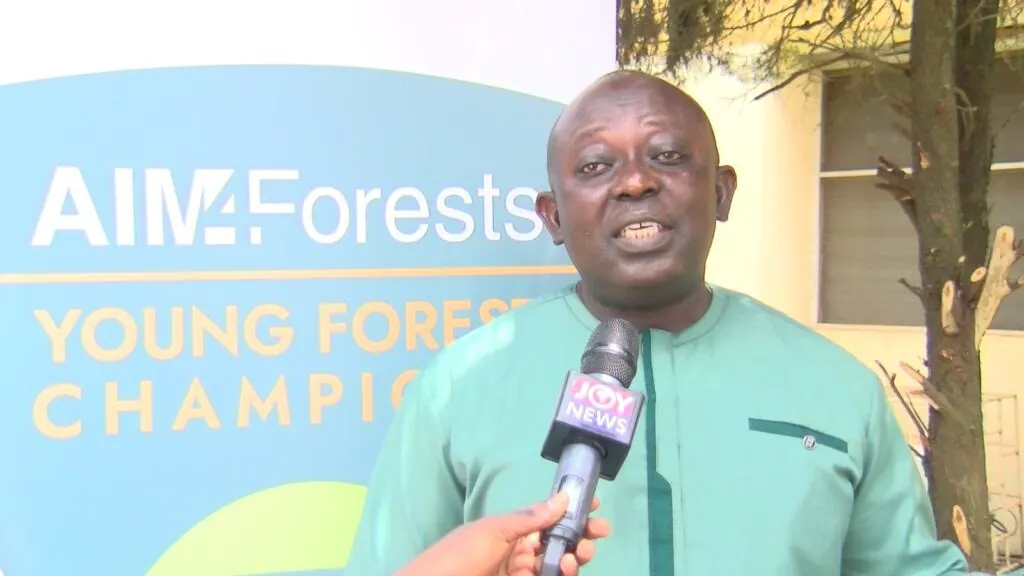
Professor Emmanuel Acheampong, Dean of the Faculty of Renewable Natural Resources at the Kwame Nkrumah University of Science and Technology (KNUST), has called for the involvement of traditional chiefs in Ghana's fight against illegal mining, also known as galamsey. He believes that the government's solo enforcement drive against the menace cannot be sustained without the support of traditional authorities who hold sway over affected communities.
According to Prof Acheampong, traditional chiefs remain the closest authority figures in communities affected by galamsey and are better placed than central government to shape how residents behave towards their land and water resources. He cited examples of traditional leaders already stepping into that role, including communities in the Ashanti and Bono regions where chiefs openly opposed mining activity.
Prof Acheampong pointed to a protest organised in April by chiefs and residents of Berekum, in which traditional leaders called for the protection of their lands and water bodies. He believes that involving chiefs more formally could help counter the argument, often raised in mining-affected areas, that illegal mining is the only available source of livelihood.
The professor noted that when chiefs and community members are educated on how galamsey destroys forests, farms and water bodies, they come to appreciate the need to protect those resources for future generations. This, he believes, will help in the fight against illegal mining.
Prof Acheampong's remarks come in the middle of an intense, ongoing conversation in Ghana about how seriously the fight against illegal mining is being pursued at the political level. The issue has been a subject of debate, with some calling for a more robust approach to tackle the menace.
For Ghanaian communities living near mining sites, the practical stakes are high, with forests, farmlands and rivers that supply drinking water and support agriculture continuing to be degraded by illegal operations. Residents in affected areas are the ones most directly exposed to the fallout, whether through polluted water sources or lost farmland.
There is no indication of a formal government plan to bring chiefs into anti-galamsey enforcement structures, nor is there a timeline for such a move. Prof Acheampong's comments were made in the context of the FAO-run AIM4Forest programme, but no further schedule for that programme was specified.
Key points
- Traditional chiefs' involvement is crucial in the fight against galamsey.
- Government's solo enforcement drive against galamsey cannot be sustained.
- Education on the effects of galamsey can help change community members' attitudes.