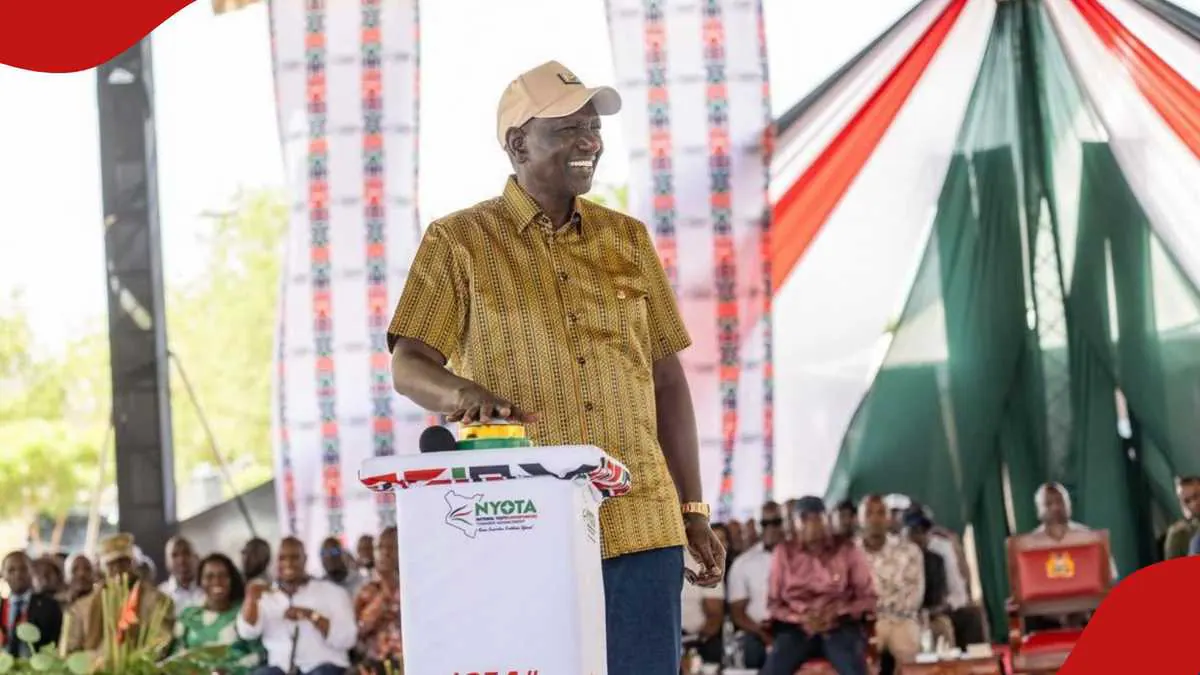
In Kisii County, Kenya, several young farmers are transforming their small agricultural ventures into thriving businesses with the help of start-up capital from the National Youth Opportunities Towards Advancement (NYOTA) project. Funded by the World Bank, NYOTA provides eligible youth aged 18 to 29 with a KSh 25,000 grant, split between business costs and an NSSF savings account. This initiative aims to support vulnerable youth in turning their agricultural endeavors into sustainable businesses.
One such beneficiary is 24-year-old Denis Mosioma, who expanded his poultry venture from 10 chicks to over 150 birds in Getare village, near the Kisii–Nyamira border. Mosioma's initial investment included a three-sheet poultry house that could hold about 20 birds. Despite challenges such as rising feed costs, support from NYOTA helped him significantly grow his flock. Mosioma expressed gratitude for the funding, stating it has been instrumental in his business growth.
Another beneficiary, 27-year-old Michael Moranga from Nyaguta village in Nyaribari Chache, is growing sugarcane and specialized grass while pursuing a bachelor's degree in education. Moranga hopes to increase production and eventually supply buyers in Nairobi. He credits NYOTA support for helping him pursue his expansion plans after he had already begun farming. This support has enabled him to diversify his agricultural activities.
However, not all beneficiaries have experienced smooth sailing. Reuben Nyabuto from Kiumbu is rebuilding his poultry venture after disease killed nearly 70 chicks. Despite this setback, Nyabuto remains determined to revive his business. Daniel Ombongi, an architect by training, is growing sugarcane and running a tree nursery as additional sources of income. These ventures are at different stages, and their owners face challenges such as feed costs and disease.
The NYOTA project, a Government of Kenya initiative funded by the World Bank, targets vulnerable youth aged 18 to 29, with an age limit extension to 35 for persons with disabilities. Its business support program combines start-up capital with training and mentorship. Beneficiaries receive a KSh 25,000 grant, with KSh 22,000 going towards the business and KSh 3,000 into an NSSF Haba Haba savings account.
To qualify for the second tranche of funding, beneficiaries must complete mentorship sessions and further business training. This comprehensive approach aims to equip young entrepreneurs with the necessary skills and resources to sustain their businesses. The project's impact is evident in the growth of small farms into viable businesses, providing a source of income for young people in Kisii County.
The success stories of NYOTA project beneficiaries demonstrate the potential for young people to earn a living through agriculture, alongside or in place of formal employment. While challenges persist, the support from NYOTA has enabled them to turn their small farms into thriving businesses. As these ventures continue to grow, they contribute to the local economy and provide a promising future for the young entrepreneurs.
Key points
- The NYOTA project provides eligible youth with a KSh 25,000 grant to support their agricultural businesses.
- Beneficiaries must complete mentorship sessions and business training to qualify for the second tranche of funding.
- The project aims to equip young entrepreneurs with the necessary skills and resources to sustain their businesses.