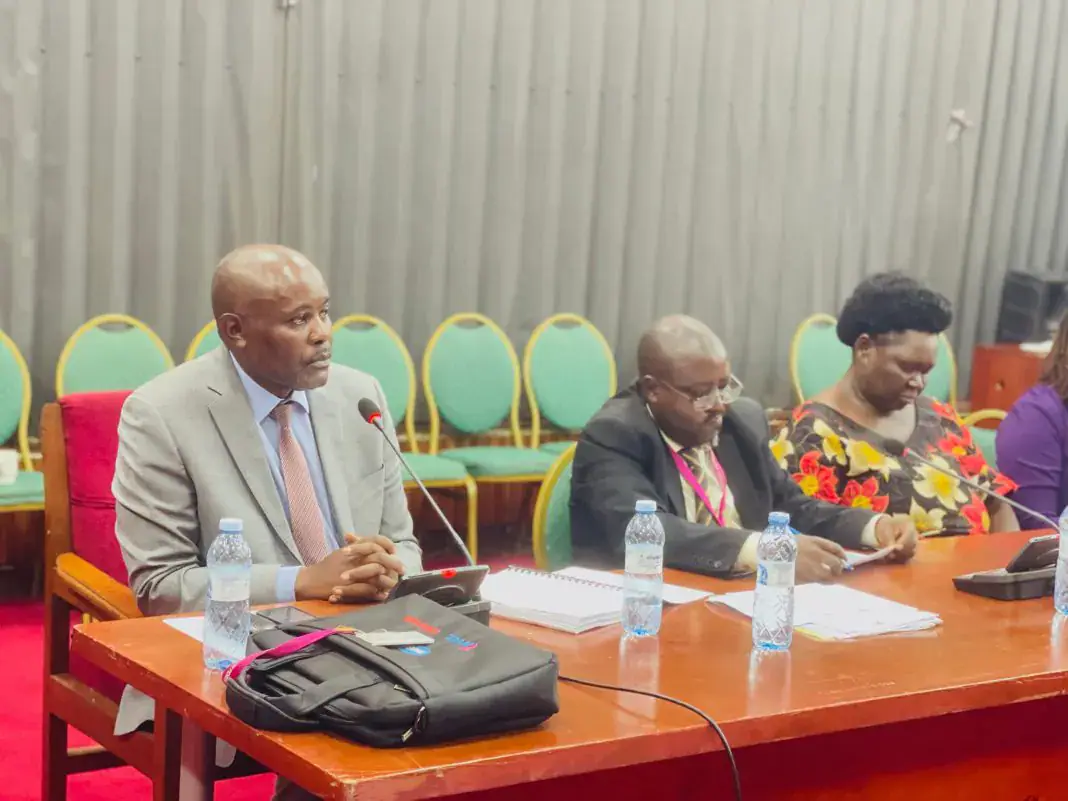
Kiruddu National Referral Hospital in Uganda is experiencing a surge in kidney failure cases, with Executive Director Dr. Charles Kabugo attributing the rise to acute kidney injuries often caused by internal bleeding from road accidents and pregnancy-related complications. This revelation was made during Dr. Kabugo's appearance before Parliament's Public Accounts Committee (PAC) to address queries from the Auditor General's Report for the 2024/2025 financial year.
The hospital currently conducts between 80 and 90 kidney dialysis sessions daily, indicating a growing demand for kidney treatment services. A dialysis session at the hospital costs Shs60,000; however, patients who develop kidney complications from accidents and pregnancy-related bleeding receive the service free of charge. This initiative aims to alleviate the financial burden on affected patients and ensure they receive necessary medical care.
Despite the hospital's efforts to provide critical healthcare services, Dr. Kabugo raised concerns about operational challenges affecting service delivery. These challenges include inadequate infrastructure and limited space, which resulted from the facility's elevation from a Health Centre IV to a National Referral Hospital. The hospital's infrastructure and space constraints hinder its ability to effectively respond to the increasing demand for specialised healthcare services.
Kiruddu Hospital is operating with a significant staffing gap of 32 per cent, alongside shortages of medical equipment and other essential resources. These shortages constrain the hospital's capacity to provide quality healthcare services to patients. Dr. Kabugo's appearance before the PAC provided an opportunity to highlight the hospital's financial, staffing, and infrastructure challenges as Parliament scrutinises government expenditure and service delivery.
The hospital's elevation to a National Referral Hospital has increased its responsibilities in providing specialised healthcare services to patients from across the country. However, the hospital's current infrastructure and resources are insufficient to meet the growing demand for services. Dr. Kabugo's revelations underscore the need for the government to address the hospital's operational challenges and provide necessary support to ensure effective service delivery.
The issue of kidney failure in Uganda highlights the need for preventive measures to address the root causes of the disease. Road accidents and pregnancy-related complications are significant contributors to acute kidney injuries, emphasising the importance of public awareness campaigns and interventions to mitigate these risks. By addressing these underlying factors, the government and healthcare institutions can work towards reducing the incidence of kidney failure and promoting overall public health.
The Kiruddu Hospital case highlights the challenges faced by healthcare institutions in Uganda, particularly in providing specialised services such as kidney dialysis. The hospital's experience underscores the need for sustained investment in healthcare infrastructure, staffing, and equipment to ensure that institutions can effectively respond to the growing demand for healthcare services. By addressing these challenges, the government can improve healthcare outcomes and promote the well-being of citizens.
Key points
- Kiruddu Hospital conducts 80-90 kidney dialysis sessions daily, amid rising kidney failure cases.
- The hospital faces operational challenges, including inadequate infrastructure and a 32 per cent staffing gap.
- Patients with kidney complications from accidents and pregnancy-related bleeding receive free dialysis services.