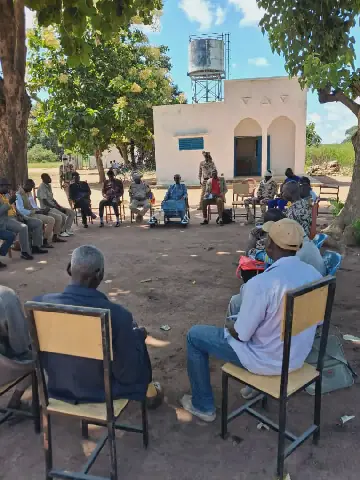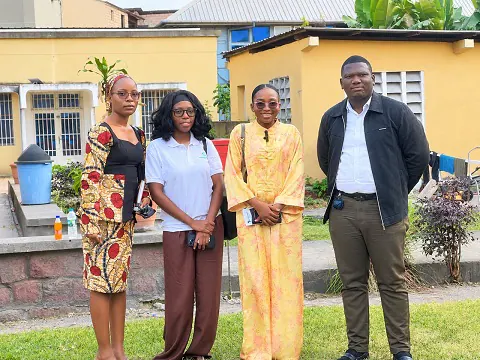
In a conference focused on "Challenges of Proximity Care," held in Kinshasa, Democratic Republic of the Congo, a sickle cell disease specialist, Dr. Dorcas Umballo, emphasized the importance of screening in preventing and managing the condition. Dr. Umballo, founder of the non-profit organization Hope, encouraged young people to undergo screening to determine their status and make informed choices about their partners. She also urged individuals with sickle cell disease to adhere to medical follow-ups and advice, while calling on family and friends to provide support to those affected.
Dr. Umballo highlighted the significance of proximity health centers, as sickle cell disease crises often occur at night, making it difficult for patients to access large hospitals located far away. She announced that Ownavenir, the organization hosting the conference, will soon launch a proximity center, enabling people living in peripheral areas to access quality healthcare. This initiative aims to bridge the gap in healthcare access and provide timely interventions for individuals with sickle cell disease.
The conference also featured a presentation by Dr. Gédéon Kazinguvu on hypertension, a condition that often develops silently without symptoms. Dr. Kazinguvu warned that uncontrolled hypertension can lead to severe complications, such as stroke, kidney damage, and other cardiovascular issues. He advised individuals to maintain a healthy lifestyle, including a balanced diet, regular exercise, and stress management, to mitigate the risk of developing hypertension.
Dr. Kazinguvu identified factors that contribute to hypertension, including age, heredity, and lifestyle choices such as being overweight, sedentary, and consuming excessive salt and alcohol. He emphasized the importance of regular check-ups and monitoring blood pressure to prevent and manage hypertension. By adopting healthy habits and being aware of the risks, individuals can reduce their likelihood of developing hypertension and related complications.
The conference was organized by Ownavenir, a non-profit organization dedicated to supporting people with disabilities and promoting hygiene in schools. The organization's primary goal is to establish a dispensary project, "Ownavenir," which aims to bring healthcare services closer to families in need. By providing accessible healthcare, Ownavenir seeks to improve the overall well-being of individuals and communities.
The event was part of a series of activities aimed at promoting health awareness and education in Kinshasa. Other initiatives have focused on celebrating World Contraception Day, launching activities to promote education and inclusion for people with disabilities, and providing essential supplies to schools for visually impaired students. These efforts demonstrate a commitment to addressing various health and social challenges in the region.
Key stakeholders, including healthcare professionals, community leaders, and organizations, are working together to address the challenges of sickle cell disease and hypertension in the Democratic Republic of the Congo. By promoting screening, awareness, and education, they aim to improve health outcomes and enhance the quality of life for individuals affected by these conditions.
Key points
- Dr. Dorcas Umballo recommends screening as a crucial tool in preventing and managing sickle cell disease.
- Ownavenir to launch a proximity health center to improve access to quality healthcare for people living in peripheral areas.
- Dr. Gédéon Kazinguvu emphasizes the importance of regular check-ups and healthy lifestyle choices in preventing and managing hypertension.