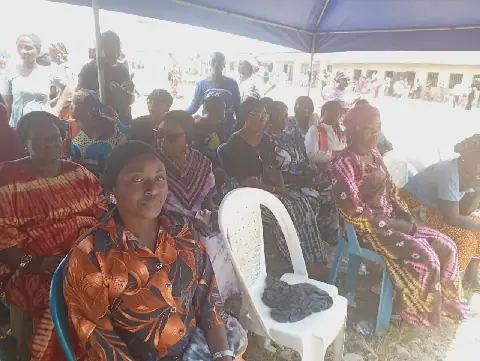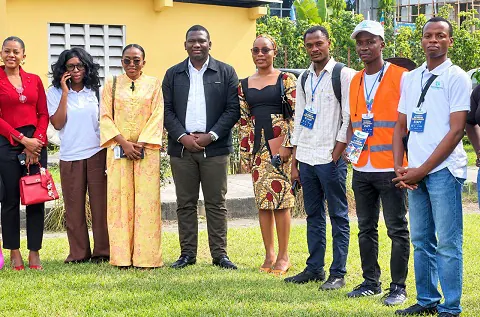
The population of Kinshasa, Democratic Republic of Congo, recently gathered for a conference focused on the importance of prevention and screening for diseases like hypertension, diabetes, and sickle cell disease. The event, organized by the association Ownavenir, aimed to educate the community on the causes, consequences, and prevention methods of these diseases. According to Habib Basadila, responsible for organizing the association's activities, the conference sought to inform healthcare professionals, young people, and Kinshasa residents about the risks and importance of regular blood pressure and blood sugar monitoring.
The conference featured a presentation by Dr. Shelya Mpembe, who explained the differences between type 1 and type 2 diabetes. She stated that type 1 diabetes is caused by an autoimmune reaction, where the body produces antibodies that destroy the pancreas cells responsible for producing insulin. On the other hand, type 2 diabetes is linked to non-modifiable factors such as age and family history, as well as modifiable factors like being overweight, poor diet, and lack of physical activity. Dr. Mpembe recommended that people with diabetes monitor their risk factors, limit sugary foods, engage in regular physical activity, and follow healthcare professionals' advice.
Dr. Mpembe also emphasized the importance of prevention and early detection for non-diabetic individuals. She encouraged people to get screened to detect diseases early and start treatment promptly. The conference was part of Ownavenir's efforts to improve the living conditions of disadvantaged communities in Kinshasa, particularly in the areas of health, education, hygiene, and social support. The association was founded in 2025 by Gemima Monga and is based in Drancy, France.
Ownavenir's activities focus on supporting communities in Kinshasa, and the association has been working to promote health, education, and social welfare in the region. The conference on disease prevention and screening was a key event in this effort, aiming to raise awareness and educate the community on the importance of taking proactive steps to manage their health. By working with local communities and healthcare professionals, Ownavenir seeks to make a positive impact on the lives of people in Kinshasa.
The conference also highlighted the importance of community involvement in disease prevention and management. By educating people about the risks and consequences of diseases like hypertension, diabetes, and sickle cell disease, Ownavenir hopes to empower them to take control of their health. The association's efforts aim to promote a culture of prevention and early detection, which can help reduce the burden of these diseases on individuals and communities.
According to the association, sickle cell disease, hypertension, and diabetes are significant health concerns in the Democratic Republic of Congo. By addressing these issues through education and awareness, Ownavenir aims to contribute to improved health outcomes for people in Kinshasa. The conference was a step towards achieving this goal, and the association plans to continue its work in the region.
The event was reported by the Congolese press agency, ACP, which highlighted the importance of initiatives like Ownavenir's conference in promoting public health in the Democratic Republic of Congo. By raising awareness about disease prevention and screening, such events can help promote a culture of health and wellness in communities across the country.
Key points
- The conference in Kinshasa aimed to educate the community on the importance of prevention and screening for diseases like hypertension, diabetes, and sickle cell disease.
- Dr. Shelya Mpembe explained the differences between type 1 and type 2 diabetes and recommended monitoring risk factors and engaging in regular physical activity.
- Ownavenir's efforts focus on supporting communities in Kinshasa, particularly in the areas of health, education, hygiene, and social support.