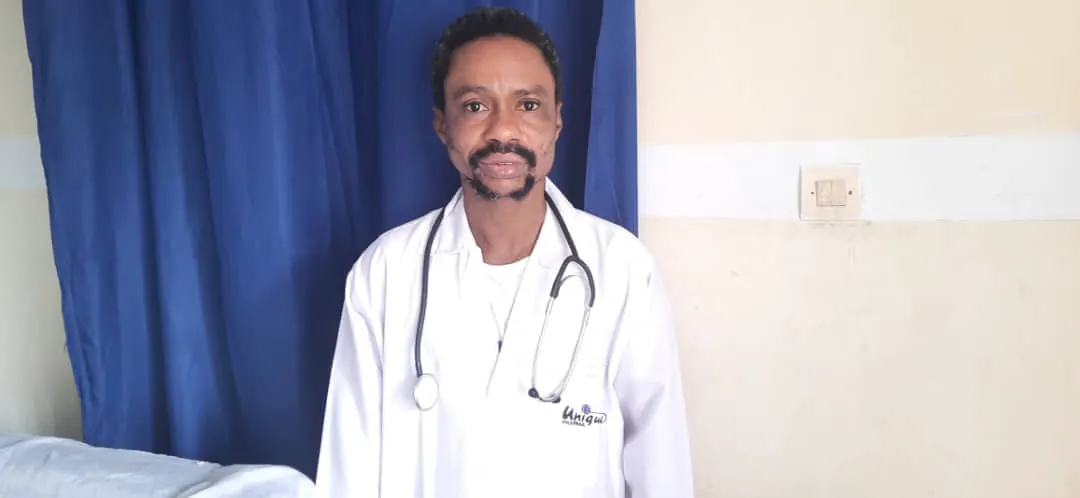
According to a study conducted at the Ecole de santé publique in Kinshasa between 2023-2024, 28% of women of childbearing age use contraceptive methods. The study, which was released on the occasion of World Contraception Day on September 26, highlights the current state of contraception in the Democratic Republic of Congo. Dr. Rodin Shindani, an eco-epidemiologist, presented the findings, emphasizing that the prevalence of contraception use varies depending on the category of women.
The compatibility of contraceptive methods depends on individual factors, including medical and family history. Dr. Shindani stressed the importance of a personalized assessment with a healthcare professional to determine the most suitable method for each woman. Certain health conditions, such as hypertension, diabetes, or a history of thrombosis, may contraindicate the use of certain contraceptive methods. Additionally, lifestyle factors, such as smoking, can influence the choice of method.
The study revealed that access to contraception has improved in the Democratic Republic of Congo, but significant obstacles persist. Geographical disparities, limited availability of family planning services in rural areas, and financial barriers hinder access to contraception. Although some programs supported by UNFPA and NGOs offer free or low-cost services, many households still struggle to afford contraceptive methods.
Social and cultural factors also affect access to contraception. Young people and adolescents often face judgment and refusal of care without parental consent. Furthermore, women with disabilities have limited access to specialized services and adapted information. In many regions, the consent of the spouse remains a significant barrier to women accessing contraception.
Dr. Shindani emphasized the importance of avoiding self-medication and seeking professional advice when choosing a contraceptive method. Women should be informed about the available options, including short-term and long-term methods, and discuss potential side effects with healthcare providers. He also recommended that women plan follow-up appointments to adjust their method if needed.
The World Contraception Day theme, "A choice for all: power of action, intention, access," highlights the importance of reproductive rights and autonomy. Dr. Shindani stressed that choosing a contraceptive method allows women to plan their personal, professional, and family life safely. The study's findings underscore the need for continued efforts to improve access to contraception and address the disparities in usage.
The Democratic Republic of Congo has made progress in increasing access to contraception, but more work is needed to address the remaining challenges. Efforts to improve access to family planning services, reduce financial barriers, and promote awareness about contraceptive methods can help increase the use of contraception among women of childbearing age.
Key points
- 28% of women of childbearing age in Kinshasa use contraceptive methods.
- Significant disparities in access to contraception persist, including geographical and financial barriers.
- Social and cultural factors, such as spousal consent and social judgment, affect women's access to contraception.