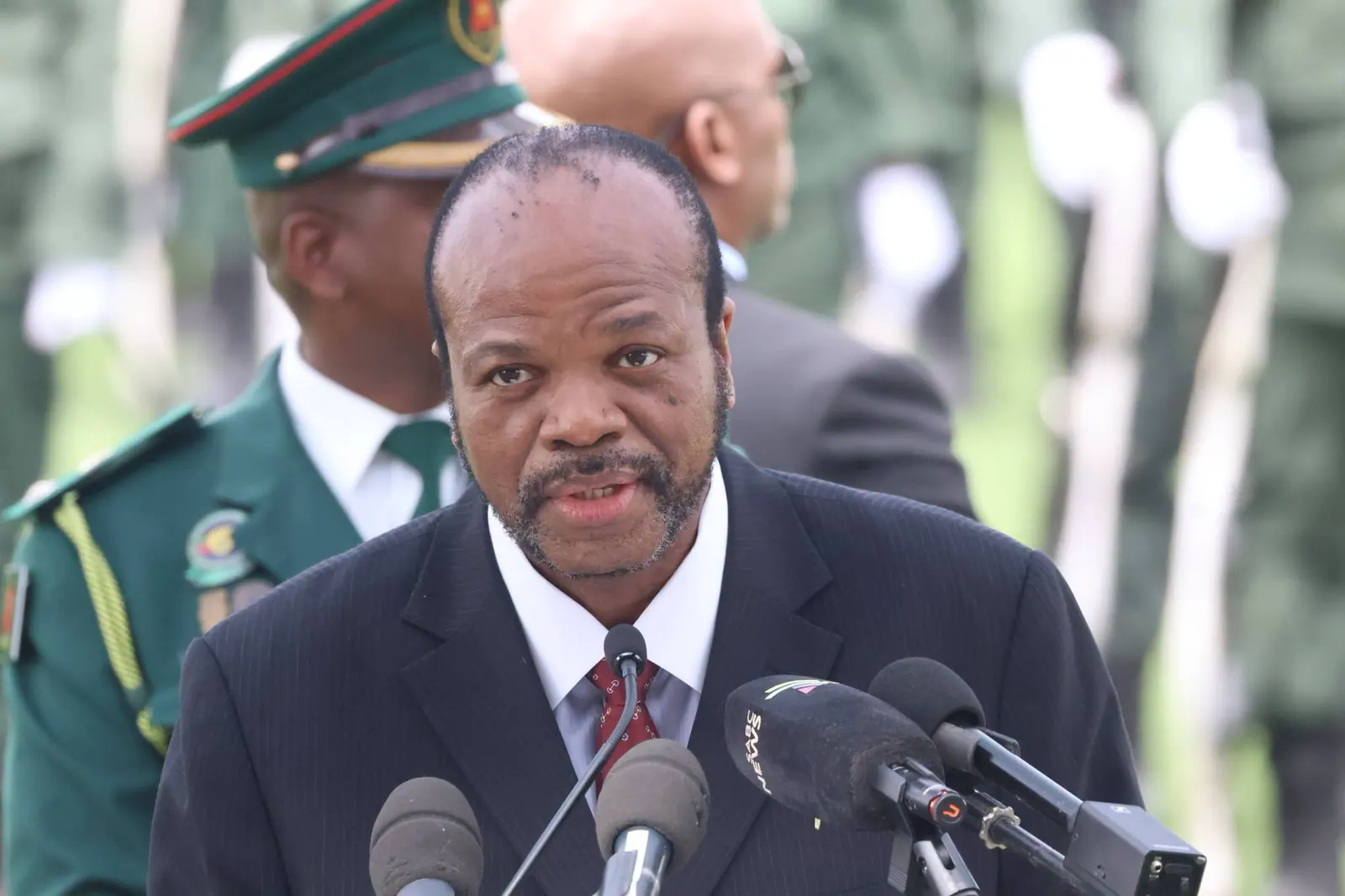
King Mswati III of Eswatini attended Lesotho's Diamond Jubilee independence celebrations at Setsoto Stadium in Maseru, where he commended the Kingdom of Lesotho for its significant role in shaping the region's politics and economy. The Eswatini monarch reflected on Lesotho's six decades of independence and its enduring relationship with Eswatini, built on a long history of friendship, cultural ties, and shared interests. He noted that both countries are committed to promoting peace and regional integration.
During his speech, King Mswati III paid tribute to Lesotho's founding father, King Moshoeshoe I, who established the country on principles of diplomacy, unity, and refuge. He acknowledged the crucial role Lesotho played during the struggle against apartheid in South Africa, providing refuge to thousands of South African refugees and exiles, including students and those seeking independence. The King also highlighted Lesotho's efforts to facilitate access to higher education for refugees at institutions like the National University of Lesotho.
King Mswati III further acknowledged Lesotho's contribution to regional integration, citing its role in establishing the Southern African Development Coordination Conference (SADCC) in 1980. He noted that SADCC later evolved into the Southern African Development Community (SADC) in 1992, becoming a key organisation for regional cooperation and development. The King's attendance at the celebrations underscored the strong ties between Eswatini and Lesotho.
In his address, King Mswati III stated that Lesotho's independence six decades ago fulfilled the vision of King Moshoeshoe I, who had established a nation founded on peace, diplomacy, unity, and the welcoming spirit of refuge. He drew on an African proverb to describe Lesotho's resilience and national identity, saying, "Trees with deep roots do not fear the storm." The King emphasised that Lesotho's roots run deep in tradition, peace, and national unity.
King Mswati III also recognised Lesotho's significant role during the anti-apartheid struggle and its contribution to the education of South African refugees and exiles. He appreciated the country's efforts in providing asylum to those seeking independence and students, and facilitating their education at institutions like the National University of Lesotho. The King's words highlighted the importance of Lesotho's cultural and historical contributions to the region.
The Eswatini monarch emphasised that Lesotho's influence should not be measured by its geographical size or military strength, but by its culture and people. He stated that the country has shown Southern Africa and the world that the real strength of a nation lies in the depth of its culture and the dignity of its people. King Mswati III's attendance at the Diamond Jubilee celebrations demonstrated his country's solidarity with Lesotho on this significant milestone.
The celebrations marked a significant milestone in Lesotho's history, as the country looks to the future while honouring its past achievements. King Mswati III's message of praise and solidarity reinforced the strong ties between Eswatini and Lesotho, as both countries continue to work towards promoting peace, stability, and regional integration in Southern Africa.
Key points
- King Mswati III praises Lesotho for its contributions to Southern Africa's development on its 60th independence anniversary.
- Lesotho played a significant role in shaping the region's politics and economy, and provided refuge to thousands of South African refugees and exiles during the apartheid era.
- King Mswati III emphasises that a nation's strength lies in its culture and people, not its geographical size or military strength.