Deputy President Kithure Kindiki has ordered a fresh inspection of alcohol manufacturers in Kenya as the government intensifies its crackdown on illicit alcohol and drug abuse. The inspections aim to ensure compliance with applicable standards and regulations, disrupting illegal alcohol production and supply chains. This move is part of the government's efforts to address the issue of illicit alcohol in the country.
Kindiki directed Interior Cabinet Secretary Kipchumba Murkomen to convene a forum with the relevant Council of Governors committee within 14 days. The forum will address licensing and control of alcohol trade and consumption, as well as the framework for establishing and operating rehabilitation centres. This meeting is expected to bring together key stakeholders to discuss strategies for tackling illicit alcohol.
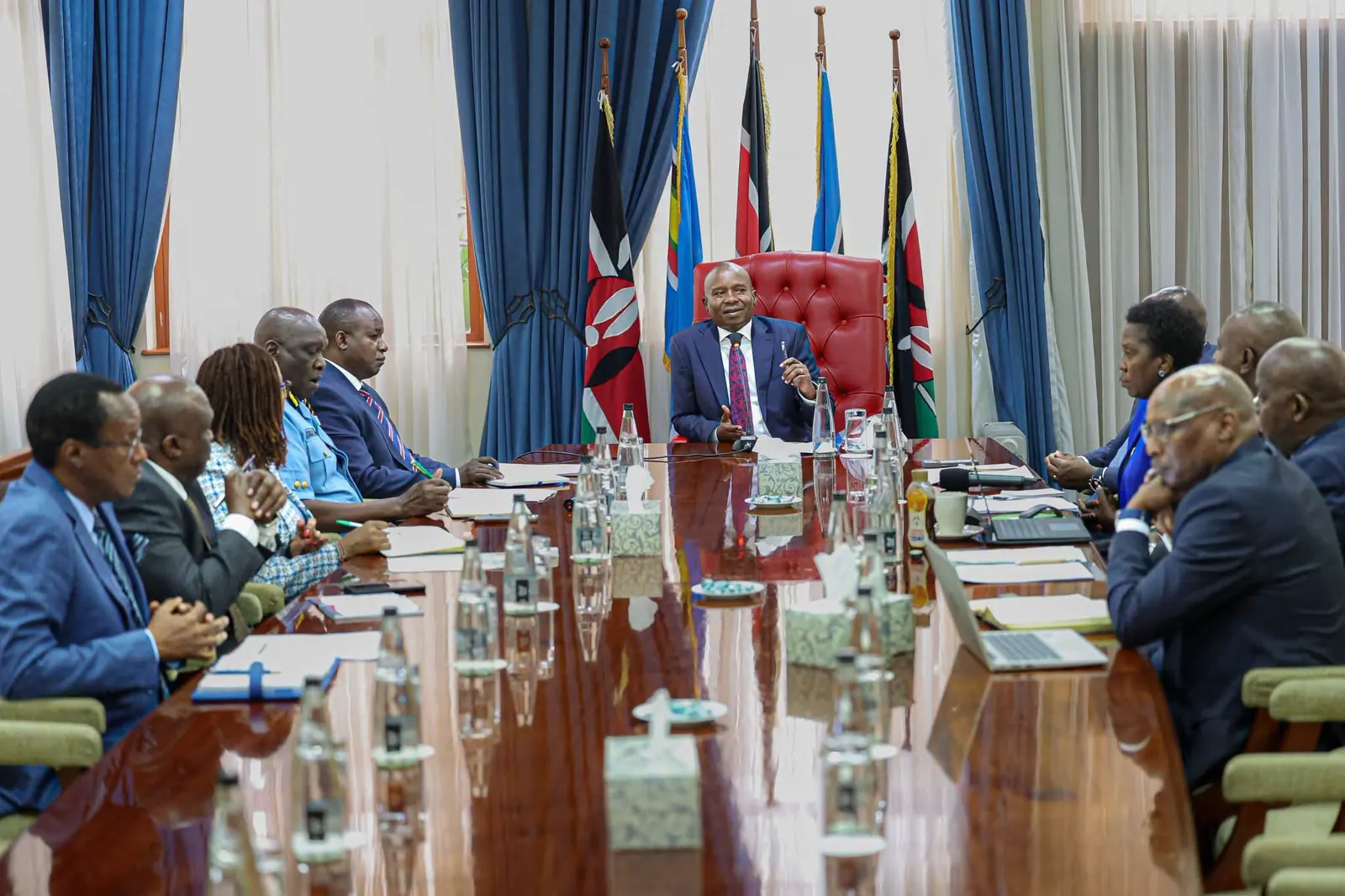
The Deputy President's directive comes after a meeting with Murkomen, Inspector General of Police Douglas Kanja, and heads of regulatory and enforcement agencies. During the meeting, Kindiki was briefed on measures taken so far to curb illicit alcohol. The agencies reportedly shared their experiences and strategies for addressing the issue, which will inform the government's future actions.
According to Kindiki, intelligence-led multi-agency operations have helped dismantle cartels and shut down unlicensed manufacturing establishments over the past year. He attributed the progress to measures including the monthly stipend for village elders and the establishment of the National Government Administration Unit (NGAPU). These initiatives have strengthened enforcement efforts, enabling the government to make significant strides in the fight against illicit alcohol.
The government has pledged to provide additional resources and equipment to security and regulatory agencies to strengthen enforcement. Furthermore, the National and County Governments will establish and operate at least one public rehabilitation centre in each county within the next year. The estimated cost of each facility is Ksh60 million, highlighting the government's commitment to addressing the issue of illicit alcohol and drug abuse.
Kindiki also announced plans for a Special Intergovernmental Budget and Economic Council (IBEC) meeting next month. The meeting will discuss the economic impact of alcohol and drug abuse and addiction. This gathering is expected to bring together key stakeholders to discuss strategies for addressing the economic consequences of illicit alcohol and drug abuse.
The government's efforts to curb illicit alcohol have been ongoing, with various stakeholders involved in the process. The establishment of public rehabilitation centres and the provision of additional resources to security agencies are expected to enhance the government's ability to address the issue. The success of these initiatives will depend on effective implementation and coordination among stakeholders.
Key points
- Deputy President Kithure Kindiki directs fresh inspection of alcohol manufacturers to curb illicit alcohol.
- Government to establish public rehabilitation centres in each county within the next year.
- Special Intergovernmental Budget and Economic Council meeting to discuss economic impact of alcohol and drug abuse.