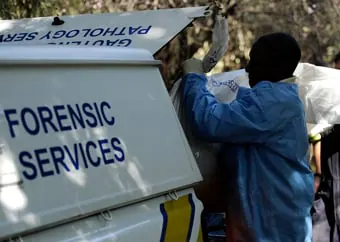
A staggering 42 people have been murdered in suspected political assassinations in South Africa since the beginning of the year. The victims include ward councillors, political party campaigners, members of civic organisations, and traditional leaders. This alarming trend has raised concerns about the safety of individuals involved in politics and the impact on the country's democratic processes. According to reports, these murders are believed to be linked to political motives, highlighting the growing concern of political violence in the country.
The murders have been reported across various provinces, with no area seemingly immune to the violence. The South African Police Service (SAPS) has been working to investigate these cases and bring perpetrators to justice. However, the complexity of these cases and the lack of resources have hindered progress. The SAPS has urged citizens to come forward with information that could assist in identifying and apprehending the suspects. The police have also increased their presence in areas considered hotspots for political violence.
The ruling party, the African National Congress (ANC), has condemned the killings, describing them as a threat to the country's democracy. The party has called for calm and urged its members to refrain from engaging in any form of violence. Other political parties have also expressed concern about the situation, with some calling for increased protection for their members. The Democratic Alliance (DA) has accused the ANC of being responsible for some of the violence, further escalating tensions between the parties.
The killings have also raised concerns about the impact on local government and the delivery of services to communities. Ward councillors play a crucial role in ensuring that municipal services are delivered to residents, and their murder has created a sense of uncertainty and fear among communities. The South African Local Government Association (SALGA) has expressed concern about the situation, urging the government to take decisive action to protect local government officials.
The government has acknowledged the severity of the situation and has taken steps to address the issue. The Minister of Police, Bheki Cele, has met with various stakeholders, including political parties and traditional leaders, to discuss the issue and find solutions. The government has also increased security measures for high-risk individuals and has established a task force to investigate the murders.
Human rights groups have also weighed in on the issue, expressing concern about the growing trend of political violence in the country. The groups have called for the government to take a firm stance against the violence and to ensure that those responsible are brought to justice. They have also urged citizens to be vigilant and to report any suspicious activity to the authorities.
As the country prepares for future elections, the issue of political violence has become a pressing concern. The Independent Electoral Commission (IEC) has expressed concern about the situation, urging political parties to refrain from engaging in any form of violence. The IEC has also called on citizens to exercise their right to vote in a safe and secure environment.
Key points
- At least 42 people have been murdered in suspected political assassinations in South Africa since the beginning of the year.