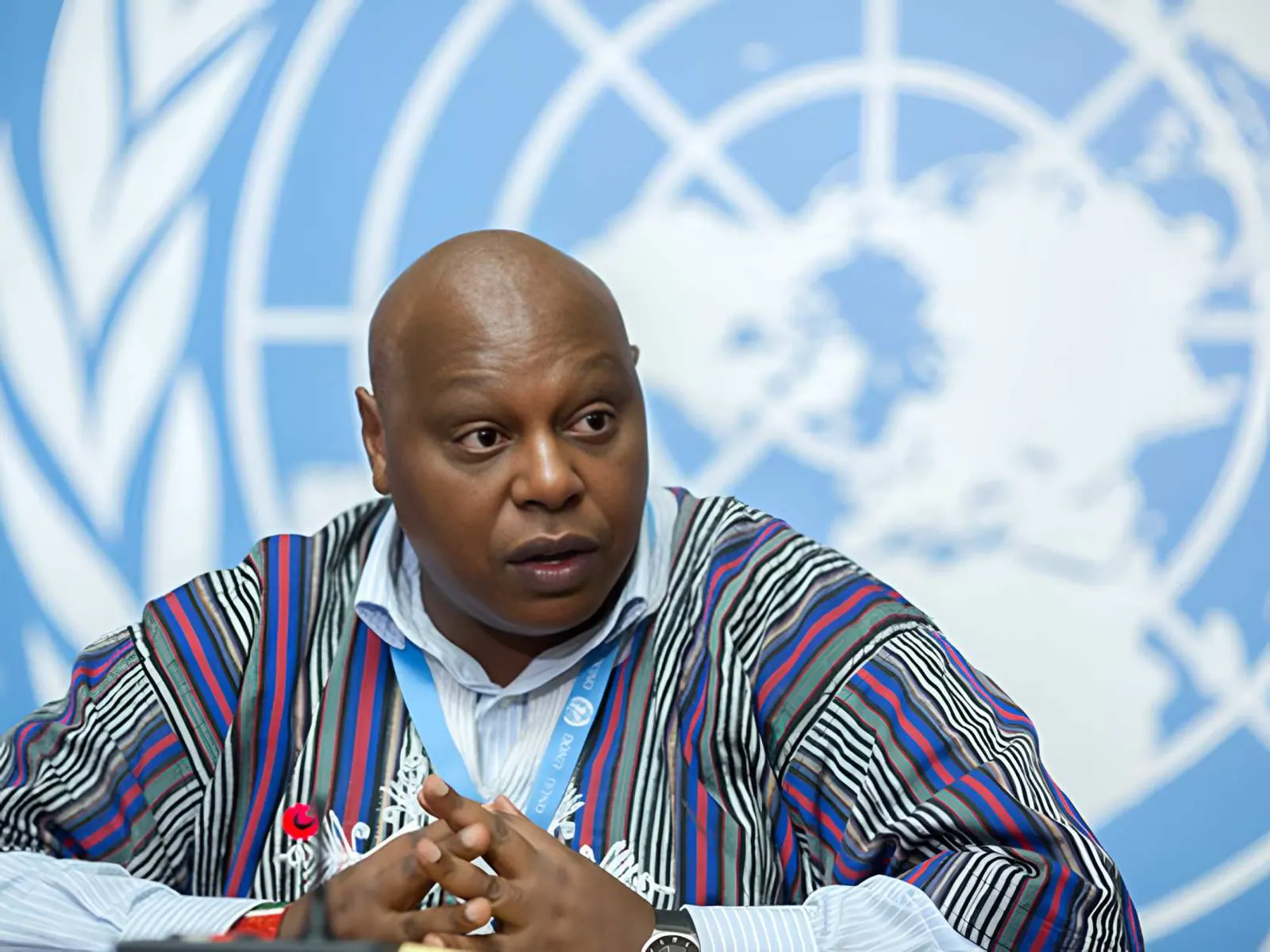
The Kenya Human Rights Commission (KHRC) has expressed concerns that the impending El Niño rains, expected between late September and December, could worsen Kenya's human rights situation. In a statement, KHRC Chairperson Maina Kiai emphasized the need for the government to prioritize human rights in its preparations and interventions. The Commission cited Article 19(1) of the Constitution, which states that human rights should be the framework for social, economic, and cultural policies.
KHRC's concerns are informed by the impact of previous flooding in Kenya. According to Human Rights Watch, severe flooding in 2024 killed at least 170 people, displaced over 200,000, and destroyed property, infrastructure, and livelihoods. The Commission warned that the expected El Niño rains are likely to bring above-average rainfall, putting about 80% of the country at risk of severe flooding, with all 47 counties potentially affected.
The highest-intensity rainfall is expected in Central Kenya, the Rift Valley, the Lake Victoria Basin, and Western Kenya. KHRC warned that flooding could have wider effects on vulnerable communities, including disruptions to education, healthcare, sanitation, and access to clean water. A 2024 survey by KHRC and the Elimu Bora Working Group found that over 62 primary schools were submerged, putting 15,000 students at risk of missing school.
The survey also recorded 34 cases of cholera along the Tana River and damage to over 20,000 toilets. KHRC reported that the overall student population in the surveyed schools fell by 9%, with female students and learners with special needs disproportionately affected. The Commission is demanding that evacuation, relocation, and relief measures do not result in human rights violations, particularly against people living in low-income neighborhoods.
KHRC cited the government's response to the 2024 floods, when police raided the Mathare Social Justice Centre and Ghetto Foundation offices in Nairobi, arresting 27 human rights defenders who were protesting the eviction of residents affected by the floods. The Commission also raised concerns over demolitions in Mukuru Kwa Reuben and Kiamaiko, where bulldozers moved into the settlements before a 24-hour government deadline had elapsed, leaving thousands homeless.
The Commission is calling for greater scrutiny of emergency spending, as Kenya has secured about 51.8 billion shillings from the World Bank's Rapid Response Option to prepare for the rains. KHRC warned that emergency conditions should not be used to bypass procurement laws and public oversight. The Commission wants the government to establish clear evacuation and relocation plans, protect human rights defenders and community organizations, and maintain access to healthcare, clean water, sanitation, and education.
KHRC is establishing a human rights monitoring and response centre and urging the public to report any violations linked to the government's response. The Commission is also calling for humanitarian assistance to be provided equitably and for the government to publish accessible information on financing, procurement, and expenditure linked to the response.
Key points
- The Kenya Human Rights Commission warns that El Niño rains could worsen the country's human rights situation, particularly for vulnerable communities and those living in informal settlements.
- KHRC demands that the government prioritize human rights in its preparations and interventions for the El Niño rains.
- The Commission is calling for greater scrutiny of emergency spending and for the government to establish clear evacuation and relocation plans.