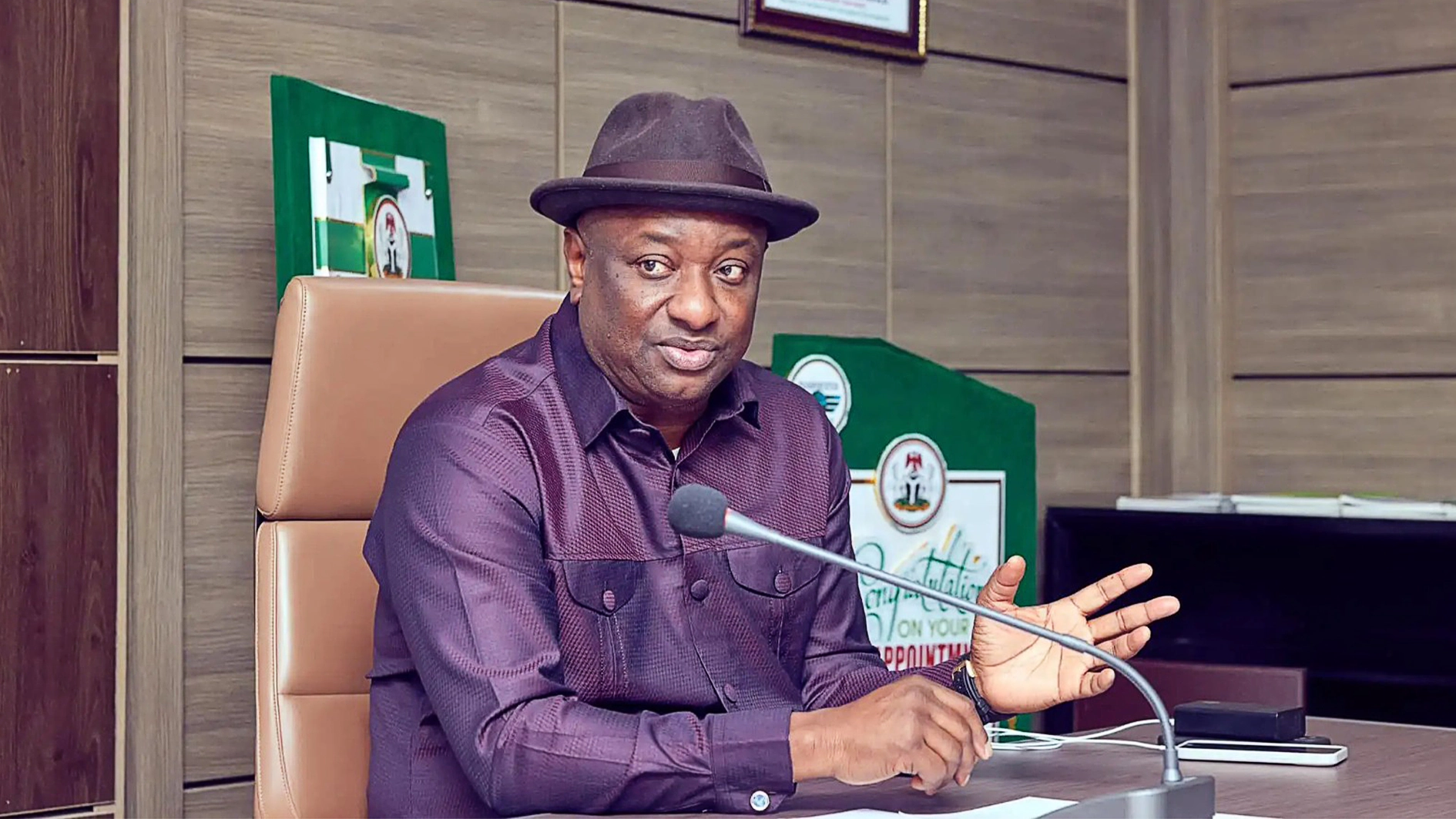
The proposed second runway for the Nnamdi Azikiwe International Airport (NAIA) in Abuja, Nigeria, has seen its cost skyrocket from an initial N45 billion in 2009 to approximately N400 billion in 2026. This drastic increase is a result of years of delay, according to the Minister of Aviation and Aerospace Development, Festus Keyamo. The minister made these remarks at the Murtala Muhammed International Airport (MMIA) in Lagos during the 67th anniversary celebrations of Aero Contractors.
The second runway for Abuja was first proposed in 2009 under then President Umaru Yar’Adua, with Babatunde Omotoba as the Minister of Aviation. Since then, the project has been mired in controversy, with the National Assembly questioning the estimated cost of N45 billion. The cost controversy escalated during former President Goodluck Jonathan's tenure. Keyamo noted that the project has been delayed for almost two decades.
Keyamo emphasized that President Bola Tinubu's infrastructure strategy focuses on addressing decades of underinvestment in critical aviation facilities. The federal government has initiated the rehabilitation of the Lagos Airport and is resurfacing the runways at the Abuja and Port Harcourt airports. Additionally, work is expected to commence on the Akure Airport runway soon. These efforts aim to modernize Nigeria's aviation infrastructure.
The minister disclosed that the government has secured an infrastructure approval of about $1 billion for the aviation sector. Specifically, $500 million has been earmarked for the reconstruction of the MMIA terminal. Keyamo assured that these investments will not only improve airport infrastructure but also generate employment and attract investment into the country, all without taking on any loans.
Keyamo also announced plans to extend the Lagos Red Line rail network to the new terminal at the MMIA. The proposed rail extension will run from the existing Red Line corridor through the airport axis, with a stop around the Air Force Base before connecting to the new terminal. This development aims to enhance transportation links between the airport and the city.
The Minister of Aviation and Aerospace Development highlighted the economic consequences of delaying critical aviation infrastructure. The sharp increase in the cost of the Abuja Airport second runway project is a prime example of these consequences. Keyamo's comments underscore the need for timely implementation of aviation projects to avoid cost escalations and ensure efficient use of resources.
The government's investments in aviation infrastructure are expected to have a positive impact on Nigeria's economy. The projects will not only create jobs but also attract foreign investment. With these developments, Nigeria's aviation sector is poised for significant growth and modernization.
Key points
- The cost of the Abuja Airport second runway project has increased from N45 billion to N400 billion due to a 15-year delay.
- The Nigerian government has secured $1 billion in infrastructure approval for the aviation sector.
- The government plans to extend the Lagos Red Line rail network to the new terminal at the MMIA.