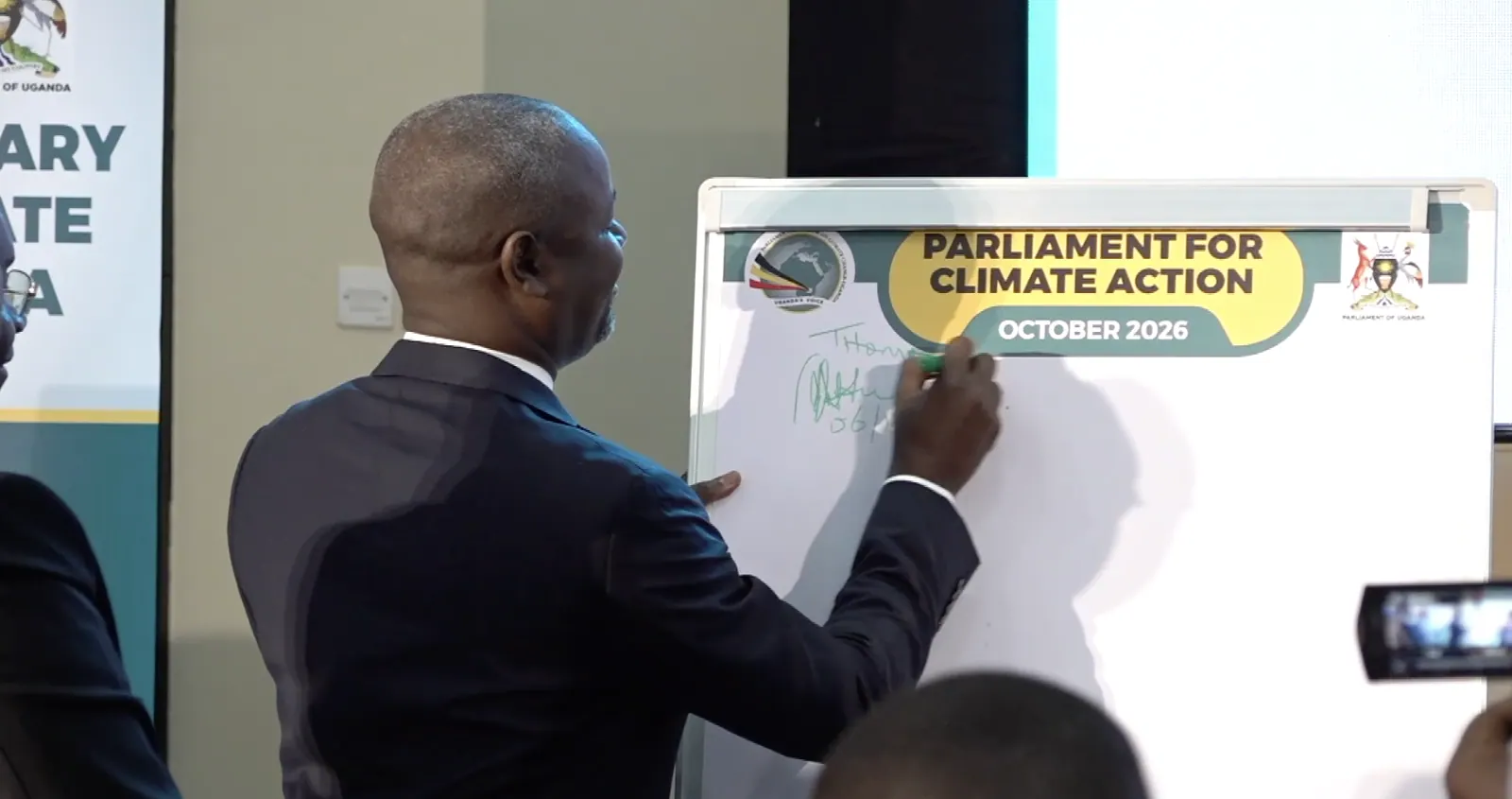
Uganda is facing an environmental crisis, with Deputy Speaker of Parliament Thomas Tayebwa urging for immediate action to address the country's poor waste management and tree cutting. Tayebwa made these remarks at a climate change forum held earlier on Tuesday. He expressed concern over the lack of a clear and structured waste management strategy in major urban centers, including Kampala. The current situation poses a threat to public health and is destroying the country's natural beauty.
Tayebwa condemned roadside littering and illegal dumping, emphasizing the need for greater vigilance in waste management. He also called for an immediate halt to indiscriminate tree cutting as Uganda steps up efforts to protect its environment. The Deputy Speaker's concerns come as the country seeks to address the growing environmental crisis. Effective waste management and conservation of natural resources are crucial for Uganda's sustainable development.
The environmental crisis in Uganda is multifaceted, with deforestation and pollution being major concerns. The country's forests are being cleared at an alarming rate, mainly for agricultural purposes and urbanization. This has resulted in loss of biodiversity, soil erosion, and decreased water quality. Furthermore, poor waste management has led to the spread of diseases and contamination of water sources.
Tayebwa's call for action is timely, as Uganda seeks to implement measures to mitigate the effects of climate change. The country has made significant progress in recent years in promoting environmental conservation, including the launch of initiatives aimed at reducing carbon emissions and promoting sustainable land use practices. However, more needs to be done to address the scale and complexity of the environmental challenges facing Uganda.
The Ugandan government has established several agencies and institutions responsible for environmental conservation, including the National Environment Management Authority (NEMA) and the Uganda Wildlife Authority. These institutions play a critical role in enforcing environmental regulations and promoting sustainable development. However, they face significant challenges, including limited resources and inadequate capacity.
Effective environmental protection requires a collaborative effort from government, civil society, and individuals. Tayebwa's appeal for stricter environmental protection measures is expected to resonate with stakeholders, including policymakers, activists, and the general public. By working together, Uganda can develop and implement effective strategies to address the country's environmental challenges and promote sustainable development.
The Deputy Speaker's initiative is part of a broader effort to promote environmental conservation in Uganda. Several organizations and individuals have been working tirelessly to raise awareness about the importance of protecting the environment and promoting sustainable practices. As the country moves forward, it is essential that environmental protection remains a priority and that all stakeholders work together to address the environmental challenges facing Uganda.
Key points
- Deputy Speaker Thomas Tayebwa calls for urgent action to address poor waste management and rampant tree cutting in Uganda.