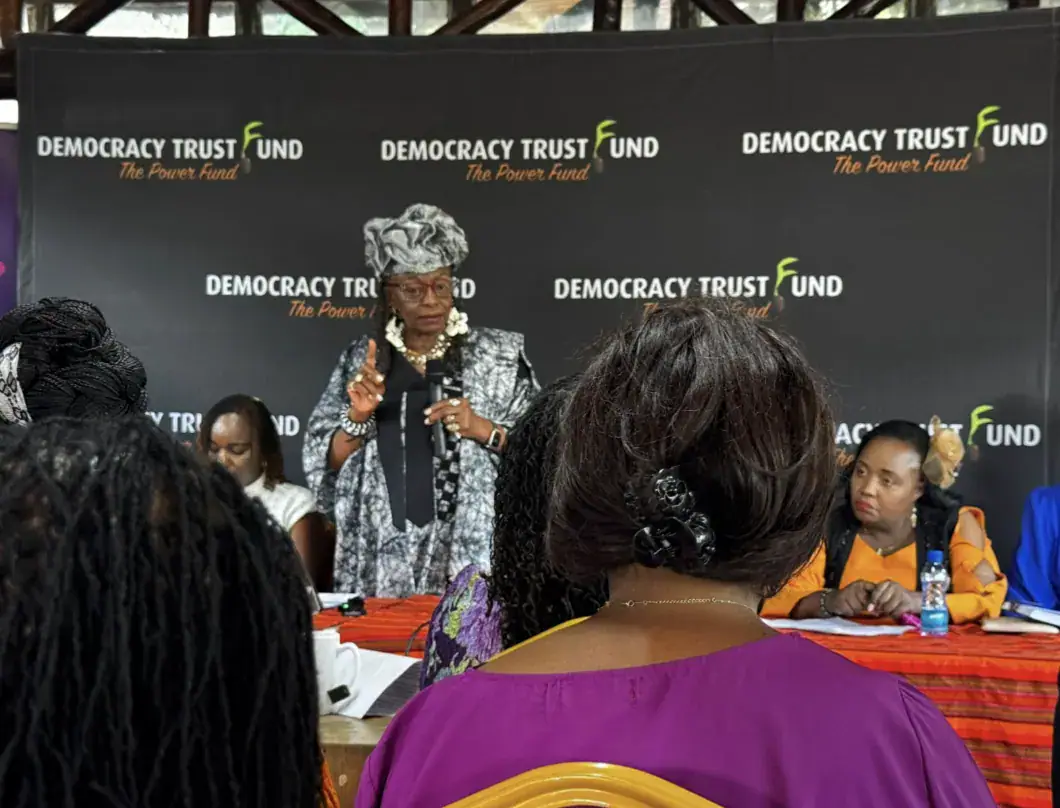
As Kenya prepares for the 2027 General Election, women leaders and peace actors are advocating for peaceful, credible, and inclusive elections. They expressed concerns over political violence, intimidation, technology-facilitated abuse, and the high cost of political campaigns. The leaders emphasized the need for political parties, electoral institutions, and other stakeholders to take deliberate steps to ensure that women can pursue elective positions and participate in political processes without fear of harassment or intimidation.
The discussions highlighted the importance of protecting women's political participation, particularly in the face of hostility between women in competing political camps. Jane Kihongi, a Kiambu County senatorial aspirant, urged women not to allow political party loyalties to turn them against fellow women seeking leadership. She emphasized that women are "partyless" and should not be put on the frontline to harass fellow women.
Echo Network Africa Foundation President Dr. Jennifer Riria expressed confidence in women's leadership, urging women to take up leadership positions and demonstrate commitment to their responsibilities. She emphasized that women lead well and must be committed and serious in their pursuits. Riria's remarks underscored the importance of women not only pursuing leadership opportunities but also receiving the support needed to participate meaningfully in political and public decision-making.
However, women's participation in politics depends on more than individual commitment. Access to campaign resources, fair party processes, and protection from political violence are equally important in creating an environment where aspiring leaders can compete. Political parties have a responsibility to promote inclusive nomination processes and ensure that women can participate in campaigns and public debates without discrimination or intimidation.
The challenges facing women in politics extend beyond physical confrontation. Technology-facilitated violence, including online harassment, threats, and intimidation, also undermine candidates' confidence and restrict their participation in political discourse. Addressing these challenges requires effective reporting mechanisms, impartial investigations, and accountability where wrongdoing is established.
Women leaders and peace actors are calling for stronger collaboration among political parties, security agencies, electoral institutions, and civil society organizations to address electoral violence and strengthen peaceful participation. Civic and electoral education should also be prioritized to help citizens understand their political rights and responsibilities, encourage peaceful engagement, and promote informed participation in the electoral process.
The Democracy Trust Fund (DTF) members expressed concern over the high cost of political campaigns and uncertainty surrounding the implementation of the Election Campaign Financing Regulations, 2026, and the applicable expenditure limits. With the next General Election approaching, the safety and participation of women remain important considerations in Kenya's pursuit of inclusive democracy.
Key points
- Women leaders and peace actors in Kenya are calling for safer political spaces and fairer campaign conditions ahead of the 2027 General Election.
- The leaders emphasized the need for political parties, electoral institutions, and other stakeholders to take deliberate steps to ensure that women can pursue elective positions and participate in political processes without fear of harassment or intimidation.
- Women's participation in politics depends on more than individual commitment, requiring access to campaign resources, fair party processes, and protection from political violence.