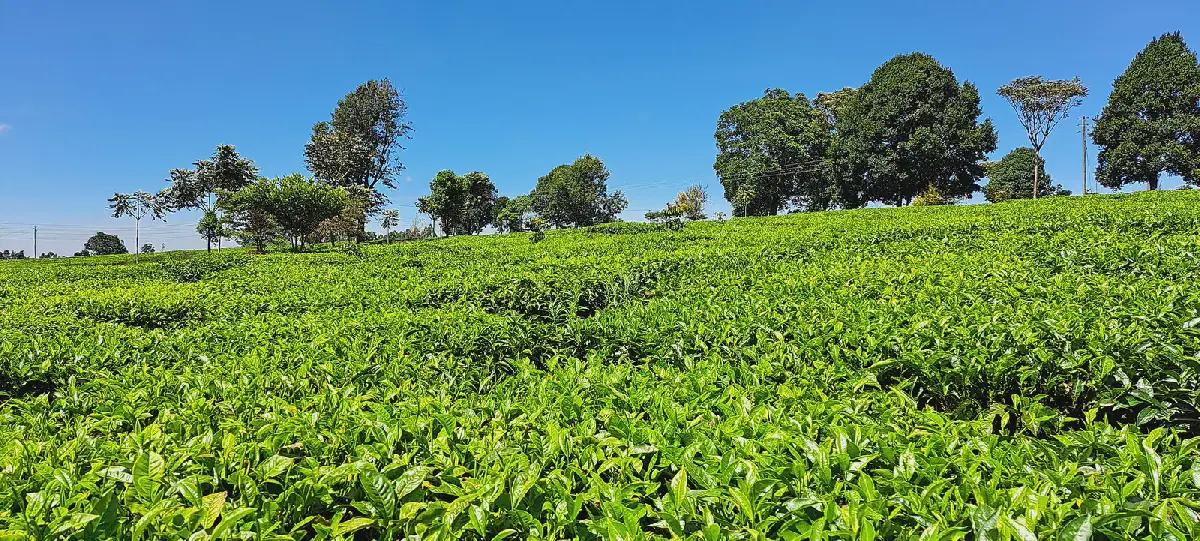
Kenyan tea exporters are set to regain access to the Sudanese market after a 20-month trade ban was lifted. The ban, imposed in March 2025, had disrupted shipments and left billions of shillings worth of tea stranded. The restrictions had closed off one of Kenya's key regional buyers, significantly impacting the country's tea trade. In 2023, Kenya exported 15.9 million kilogrammes of tea to Sudan, worth Ksh3.8 billion.
The ban was a result of diplomatic tensions between Kenya and Sudan after Kenya hosted the paramilitary RSF leader Mohammed Hamdan Dagalo and other Sudanese political groups in Nairobi. Diplomatic engagements between President William Ruto and Sudanese Prime Minister Camille Idris led to the lifting of the ban, although the exact date of the lifting was not specified. The resumption of tea exports is expected to protect livelihoods, support farmers, and preserve economic ties between the two countries.
The impact of the ban on Kenya's tea trade was significant, with volumes dropping to 6.8 million kilogrammes valued at Ksh1.5 billion by 2025. As of August 2026, more than 3.4 million kilogrammes of Kenyan tea, valued at over Ksh1.34 billion, remained in warehouses in Mombasa. The stocks proved difficult to redirect to other international markets, resulting in mounting losses, lower auction prices, and reduced earnings for farmers.
The ban drew political attention, with Wiper Party leader Kalonzo Musyoka visiting the Embassy of the Republic of Sudan in Nairobi on August 6, 2026, to present Kenya's plea for the ban to be lifted. Musyoka warned of heavy losses and stated that restoring access to the Sudanese market would support farmers and preserve economic ties. The government has not issued a statement on the development, and it remains unclear when shipments will resume.
The tea industry in Kenya is expected to benefit from the resumption of exports to Sudan. In 2023, tea exports to Sudan accounted for a significant portion of Kenya's total tea exports. The resumption of exports is expected to boost the industry, which has been affected by the ban. The lifting of the ban is also expected to strengthen diplomatic ties between Kenya and Sudan.
The COMESA Summit, where President William Ruto and Sudanese Prime Minister Camille Idris engaged in diplomatic talks, played a crucial role in the lifting of the ban. Although the date and location of the summit were not specified, it is clear that the diplomatic efforts led to a positive outcome for Kenyan tea exporters. The resumption of tea exports to Sudan is a significant development for Kenya's tea industry.
The Kenyan government and tea exporters will likely welcome the lifting of the ban, which is expected to boost the country's tea industry. With the resumption of exports to Sudan, Kenyan tea exporters can look forward to increased sales and revenue. The lifting of the ban is a positive development for the industry, which has been affected by the restrictions.
Key points
- The ban was imposed in March 2025 and lasted for 20 months.
- The lifting of the ban is expected to boost Kenya's tea industry.
- The resumption of exports to Sudan will support farmers and preserve economic ties between Kenya and Sudan.
Reporting sources
- Kenyan Tea Set to Return to Sudan as 20-Month Trade Ban Lifted · nairobiwire.com