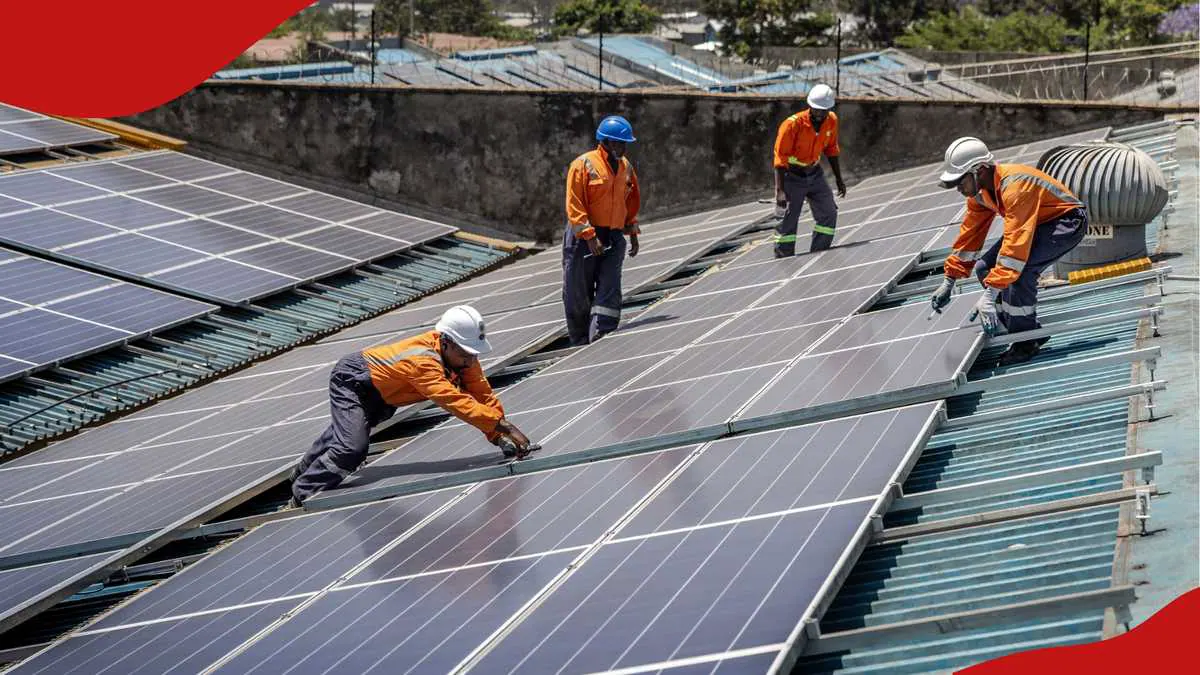
The Energy and Petroleum Regulatory Authority (EPRA) has gazetted new rules introducing charges for solar users who inject electricity into Kenya Power's grid without approval. The regulations, signed by Acting Director-General Joseph Oketch and backdated to take effect from July 1, 2025, classify any unauthorised injection of electricity into Kenya Power's network as "dumping" and impose the applicable base tariff on any energy so categorised. This move has raised concerns among solar users who may be exposed to penalties under the retroactively effective rules.
Engineer Isaac Ndereva of the Electricity Consumers Society of Kenya (ECSK) has outlined seven steps solar users must take to determine whether their systems are compliant with the new regulations. He explained that Kenyan solar users fall into one of three broad categories: generators selling electricity directly to Kenya Power under a formal licensing arrangement, consumers generating below one megawatt for personal use, and grid-tied consumers who have not secured a formal net metering agreement. The key risk lies with grid-tied consumers who have not secured a formal net metering agreement.
Under the new rules, any surplus electricity sent into the grid by grid-tied consumers without a formal net metering agreement is classified as dumping and will be billed at the full base tariff. A valid net metering agreement requires approval from both Kenya Power and EPRA, a bidirectional meter capable of recording both imported and exported electricity, and installation carried out by an EPRA-licensed contractor. Consumers who meet these conditions receive a credit equal to 50% of the electrical energy they export, applied against their consumption bill.
For those who discover they are not compliant, Ndereva outlined two options: apply for net metering approval and regularise the installation, or disconnect the solar system from Kenya Power's network entirely so no electricity can flow outward. He emphasised the need for education on net metering, suggesting that solar companies should engage Kenya Power to facilitate the process. The challenge is mainly for people who installed solar before the net-metering regulations came into effect.
One of the most contested aspects of the regulations is their retroactive commencement date. Consumers who connected solar systems to the grid between July 1, 2025, and September 18, 2026, may now be subject to rules that were not publicly available when they made their investments. Ndereva expressed concerns that this retroactive application may not be fair to consumers who made investments without knowledge of the impending regulations.
The new regulations have also sparked interest in alternative energy solutions, with high electricity costs in Kenya pushing manufacturers and industrial operators to explore solar, battery storage, and other clean energy systems. Kenyan engineering firm Spenomatic is expanding across East Africa with clean energy systems, including a 17.2 MWp solar project for steel manufacturing sites in Kisumu and Mombasa and a portfolio containing 53.22 MWh of battery storage capacity.
The implementation of the new EPRA rules has significant implications for solar users in Kenya, who must now ensure their systems are compliant to avoid penalties. As the energy landscape continues to evolve, it is essential for stakeholders to stay informed about the changing regulations and explore opportunities for clean energy solutions. The experience of Kenyan solar users serves as a reminder of the importance of regulatory compliance in the rapidly growing renewable energy sector.
Key points
- Solar users in Kenya face new dumping charges under EPRA rules.
- The regulations have a retroactive commencement date, affecting consumers who installed solar systems between July 1, 2025, and September 18, 2026.
- Engineer Isaac Ndereva outlines steps for solar users to determine compliance with the new regulations.