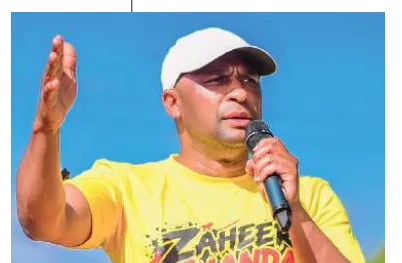
Nyaribari Chache MP Zaheer Jhanda has proposed a change to Kenya's party-list nomination system. Under his plan, political parties would submit their final nominees for party-list seats after the general election, rather than before. This would give losers in the general election another chance to secure positions in the county assemblies and parliament. Jhanda argues that this change would make the system more closely connected to the actual electoral outcome.
The current system requires party lists to be submitted ahead of the election. The Elections Act states that party lists for National Assembly, Senate, and county assembly special seats must be submitted to the Independent Electoral and Boundaries Commission (IEBC) before the relevant election. The Constitution provides for the allocation of these seats in proportion to the seats won by parties. The IEBC has set June 25, 2027, as the deadline for political parties to submit their membership lists.
Jhanda's proposal would allow voters to determine the strength of each party first, before the parties decide who takes the special seats allocated to them. Parties would participate in the general election, wait for the results, and then submit nominees for the available positions. This approach would ensure that party-list nominations are directly connected to the electoral outcome. Jhanda believes this is an important issue that deserves serious public and legislative debate.
The proposal could lead to a new political avenue for candidates who lose elective contests. If passed, it could change the way politicians who have suffered electoral defeats are treated. In the past, Kenyan politicians who have lost elections have often found other ways to remain in public life, such as being appointed to state corporation boards or receiving nominations to other positions.
In 2013, President Uhuru Kenyatta appointed several politicians who had lost in the general election to chair state corporation boards. A similar practice occurred after the 2017 elections, when politicians who had lost party primaries or previous elections returned to the political contest through fresh party nominations. In 2019, many politicians who had lost the 2017 general election received appointments to state boards.
The 2022 election cycle also saw politicians who had contested and lost in the August 2022 elections being shortlisted for chief administrative secretary positions in 2023. Following the 2022 election, another group of politicians who had failed to win elective positions sought the available East African Legislative Assembly slots, with parties submitting names for consideration.
Jhanda's proposal could find its way to the house if it is actualized as a Bill to change Article 90 of the Constitution. The Article currently compels political parties to submit a prioritized list of qualified candidates to the IEBC within the timelines set by national legislation, currently before elections. The proposal would require a serious public and legislative debate.
Key points
- The proposal would give losers in the general election another chance to secure positions in the county assemblies and parliament.
- The current system requires party lists to be submitted ahead of the election.
- Jhanda argues that the change would make the system more closely connected to the actual electoral outcome.