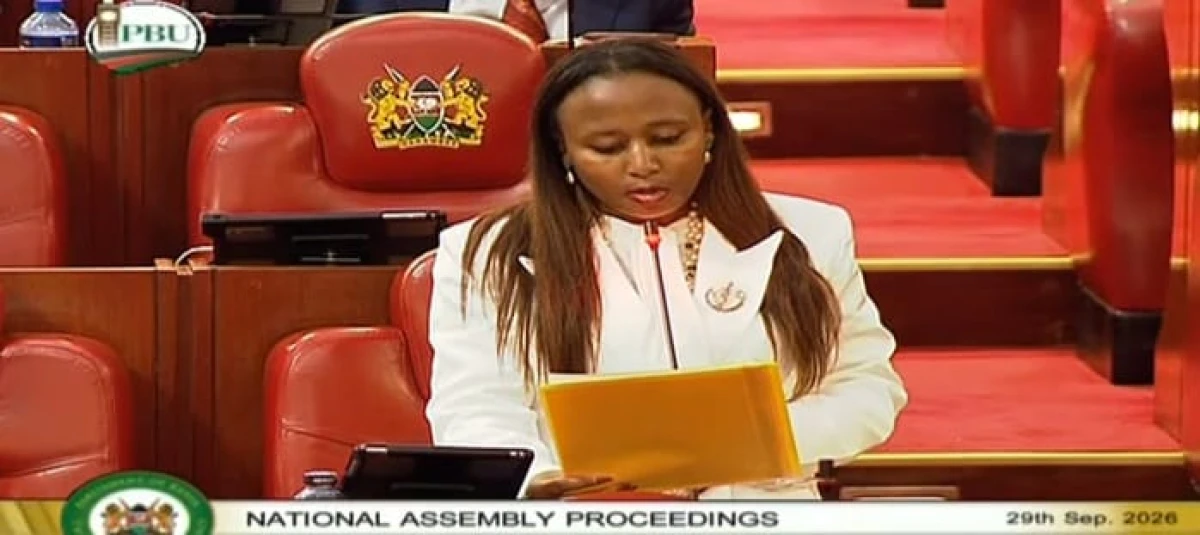
Kirinyaga Woman Representative Jane Njeri has urged the Kenyan government to incorporate endometriosis diagnosis and treatment into the country's Universal Health Coverage programme. This would enable affected women to access affordable care through the Social Health Authority (SHA). Njeri emphasized that endometriosis is often misunderstood and misdiagnosed as ordinary menstrual pain, leading to years of suffering for many women and girls.
Endometriosis can cause severe pelvic and menstrual pain, excessive bleeding, fatigue, and infertility in some cases. The condition also has significant social and economic consequences, with affected women and girls missing school and employment opportunities, losing income, and incurring substantial costs for diagnosis and treatment. Njeri stressed that endometriosis is not just a private medical issue but a public health, social, and economic concern affecting women's dignity, equality, and well-being.
Njeri raised concerns about limited access to specialized endometriosis services, particularly for women living outside major urban centers. She called for the decentralization of diagnostic and specialized treatment services to county and regional referral hospitals, enabling patients to receive care closer to home. This would improve access to care and reduce the burden on women and girls.
The MP also urged the government to strengthen training for healthcare workers and develop clear national guidelines for diagnosing, referring, treating, and managing endometriosis. Additionally, she called for research into the prevalence of the condition in Kenya and its socioeconomic impact on affected women and their families. This information would help inform policy and improve care.
Njeri emphasized that Kenya's menstrual health agenda should extend beyond access to sanitary products to include education on recognizing symptoms that require medical attention. She encouraged women experiencing severe or incapacitating menstrual pain to seek medical attention, as this should not be considered normal. Raising awareness and promoting education can help women and girls access timely care.
Njeri paid tribute to the late media personality and endometriosis advocate Mary Njambi Koikai, who raised awareness about the condition through her public battle with the disease. Koikai's advocacy helped bring endometriosis into the national conversation and encouraged other women to share their experiences. Njeri emphasized that translating endometriosis awareness into meaningful policy and accessible healthcare is essential.
The MP urged the government to strengthen public awareness campaigns, promote early diagnosis, and ensure that endometriosis treatment is accessible and affordable to women and girls across the country. By taking these steps, the government can address the significant burden of endometriosis and improve the health, dignity, and well-being of women and girls affected by the condition.
Key points
- Endometriosis affects women's dignity, equality, and well-being, and its treatment should be covered under the Social Health Authority.
- Limited access to specialized endometriosis services is a significant challenge, particularly for women living outside major urban centers.
- The government should strengthen training for healthcare workers and develop clear national guidelines for diagnosing, referring, treating, and managing endometriosis.