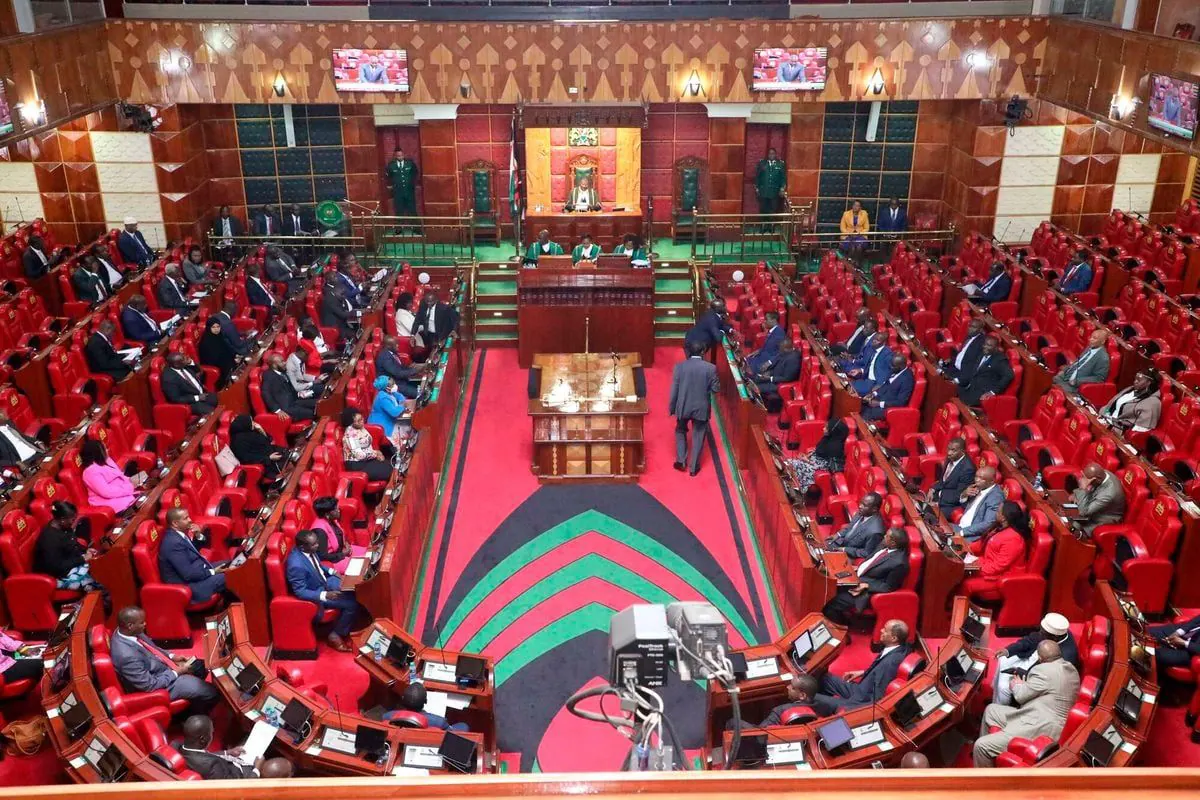
Kenyan lawmakers have threatened to impose restrictions on media freedom in response to unsubstantiated claims of election irregularities. They accuse some media outlets of spreading unverified information about the 2027 general election preparations. The lawmakers, led by minority leader Junet Mohamed, argue that such claims can erode public trust in the election outcome and potentially spark violence. They have urged the Media Council of Kenya to take action against media outlets they accuse of spreading propaganda.
The lawmakers specifically target the Standard Group, accusing it of using its platforms to advance political agendas through its election coverage. However, the Standard Group has vowed not to be intimidated, stating that it will continue to execute high-quality journalism. In a statement on September 30, the company said, "No level of threats will stop us from continuing to execute high-quality journalism. We will not be intimidated or coerced into silence."
Junet Mohamed emphasized that while media freedom is constitutionally protected, there is a responsibility to ensure citizens receive accurate information. He expressed concern that unsubstantiated claims about the 2027 election could lead to a loss of public trust in the election outcome. Mohamed also criticized the Media Council of Kenya for not taking action against media outlets spreading misinformation.
Peter Kaluma, a member of parliament, called for harsh action against media outlets spreading false information. He warned that if this continues, Kenya might experience a situation similar to the 1994 Rwandan genocide. Kaluma emphasized the need for drastic measures to address the issue. Deputy Speaker of the National Assembly, Gladys Boss, also expressed concern that repeated claims of election rigging could lead to unrest and violence after the election.
Gladys Boss countered claims that the previous election was rigged, citing her experience as Chief Registrar of the Judiciary. She participated in the audit of election results on behalf of the Supreme Court. Meanwhile, IEBC chairman Erastus Ethekon addressed allegations that the commission was registering Ugandan citizens as Kenyan voters. Ethekon described these claims as unfounded and potentially damaging to public trust in the election's integrity.
Ethekon stated that no credible evidence had been presented to support claims of electoral malpractices. He warned that if genuine evidence is presented, IEBC will take disciplinary and legal action against those found responsible. The Media Council of Kenya, IEBC, and other stakeholders must navigate these complex issues to ensure a credible and peaceful 2027 election.
The situation highlights the delicate balance between media freedom and the need for accurate information, particularly in the context of elections. As Kenya prepares for the 2027 general election, stakeholders must work together to promote a culture of fact-based reporting and responsible media practices. This will help maintain public trust in the electoral process and prevent the spread of misinformation.
Key points
- - Kenyan lawmakers threaten media restrictions over unsubstantiated election claims - Media outlets accused of spreading propaganda, Standard Group vows not to be intimidated - IEBC chairman addresses allegations of registering Ugandan citizens as Kenyan voters