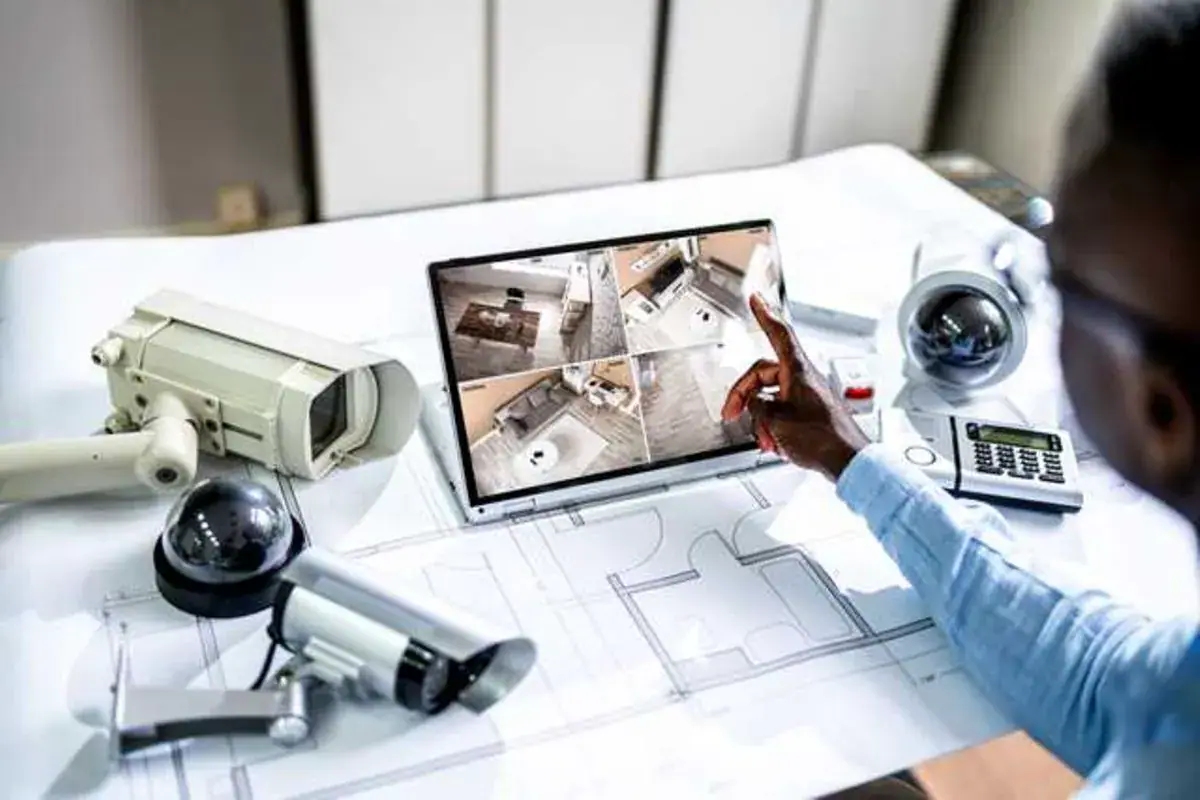
The trend of adopting smart security systems is becoming increasingly popular among Kenyan homeowners, particularly in modern residential developments. This shift is driven by the desire for security measures that do not compromise the appearance of a property. Architects and property developers are now incorporating security features into residential design, prioritizing clean lines and open spaces associated with modern architecture.
According to Kelvin Bwamu, an architect at Architecture by Cedar, homeowners are moving away from traditional security measures such as heavy steel doors, window grills, and multiple padlocks. Instead, they are opting for smart locks, motion sensors, and remote surveillance, which allow them to secure their properties without relying on physical barriers. This approach enables residents to monitor their properties remotely and receive alerts in case of unusual activity.
The use of glass, particularly large windows and extensive glazing, is becoming a common feature in modern homes. While glass creates open spaces and connects indoor living areas with the outdoors, it also comes with additional security and construction costs. Bwamu notes that laminated and tempered glass are alternatives for homeowners working within different budgets, offering some resistance and deterrence against potential intruders.
A comprehensive security system comprises more than just CCTV cameras and smart locks. It also includes alarms, motion detectors, perimeter sensors, and emergency response arrangements. Homeowners are securing the perimeter of their properties through motion detectors and other sensors installed around the compound. Bwamu emphasizes that smart security has implications for construction planning and costs, and the necessary infrastructure should be included in building plans before construction begins.
The cost of smart homes varies depending on the level of automation and equipment selected. A recent residential project valued at about Sh70 million included security surveillance, backup power, smart lighting, a heated swimming pool, and saunas. While not every homeowner requires this level of investment, CCTV surveillance and intercoms are becoming common features in residential construction. Bwamu predicts that CCTV will become a standard feature in homes in the future.
Steve Ngosia, director at Flint Home Integrators, explains that integrated security systems combine surveillance cameras, motion and vibration sensors, intruder alarms, and access control through a central interface. These systems can send alerts when unusual activity is detected and trigger outdoor lighting or notify security service providers when an intrusion occurs. The effectiveness of these systems depends heavily on the quality of the supporting infrastructure, including a reliable network.
Brian Mullama, a Nairobi-based property developer, notes that modern apartments in high-end neighborhoods are expected to have smart locks, CCTV surveillance, video intercoms, automated gates, and motion-sensor lighting. Installation quality is another important consideration, as poor-quality cables, faulty electrical connections, and inadequate backup power arrangements can undermine the systems' reliability. Homebuyers are paying closer attention to features that allow them to verify visitors, manage access, and receive alerts about activity around their properties.
Key points
- Smart security systems in Kenyan homes include features such as smart locks, motion sensors, and remote surveillance.
- The use of glass in modern homes requires additional security and construction costs.
- Integrated security systems can combine surveillance cameras, motion and vibration sensors, intruder alarms, and access control through a central interface.
Reporting sources
- Homeowners ditch grills and padlocks for discreet, smarter security systems · Business Daily Africa