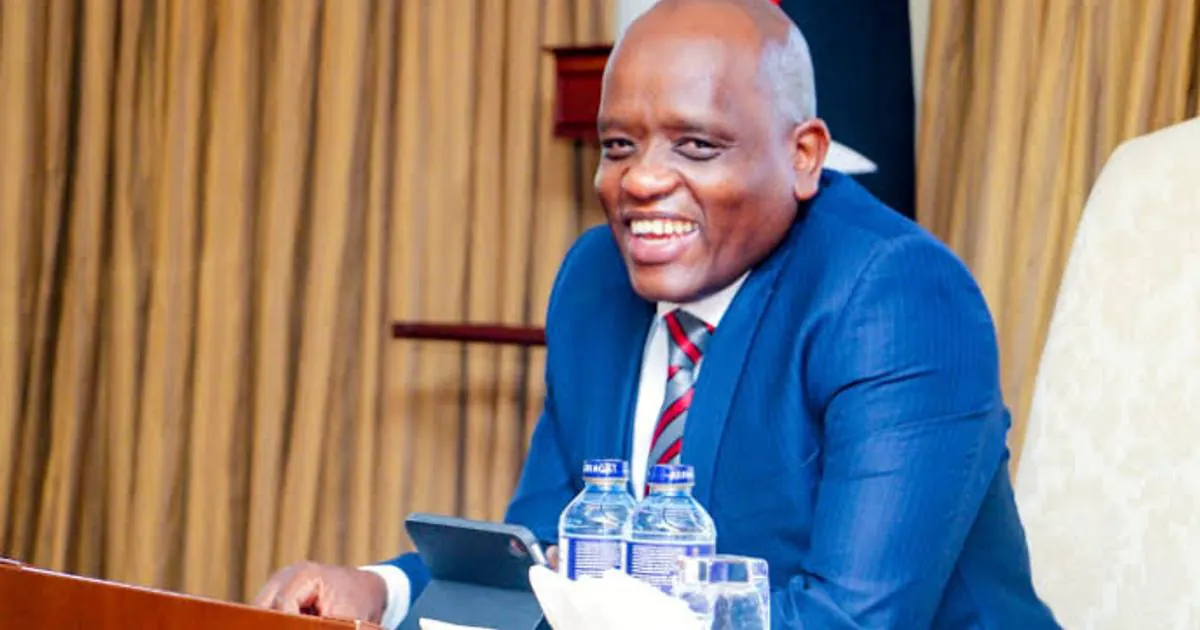
The Kenyan government, led by President William Ruto, is shifting its communication strategy to include social media influencers. This move is aimed at directly reaching citizens and promoting government programs. According to Dennis Itumbi, Head of Presidential Special Projects and Creative Economy Coordination, the decision to use influencers is based on research and the evolving media landscape in Kenya.
The use of influencers in government communication is anchored in the National Government Communication Policy. This policy adopts the use of influencers to market government programs. Itumbi explained that the Media Council of Kenya has conducted a study showing that social media has a higher reach than mainstream media. As a result, the government is investing in influencer marketing to effectively communicate with Kenyans.
The growing reach of social media in Kenya has made it impossible for the government to ignore influencers. With thousands of Kenyans consuming content on social media platforms daily, influencers have become an attractive channel for the government to package its messages. Itumbi noted that the government would be remiss if it continued to invest solely in mainstream media, ignoring the growing influencer population.
However, an insider involved in a covert operation to shape narratives using influencers and content creators has raised concerns. The insider noted that while established media outlets have editorial policies and codes of conduct, influencers lack these safeguards. This makes it easy for political players to push biased or inaccurate narratives through influencers.
The insider cautioned Kenyans to be cautious when consuming content from influencers, as some may be in it for financial gain rather than promoting factual information. The insider expressed concern that Kenyans may allow their political choices to be influenced by biased or inaccurate content. This raises questions about the impact of influencer marketing on Kenya's political landscape.
Influencers are weaving political messaging into their content, often seamlessly packaging it into entertainment videos, lifestyle posts, and commentary. This allows messages to reach audiences beyond traditional political and media spaces. As the 2027 political battle approaches, the use of influencers in government communication is likely to increase.
The use of influencers in government communication has sparked a debate about the role of social media in shaping public opinion. As the government continues to invest in influencer marketing, Kenyans will be watching closely to see how this strategy impacts the country's political landscape. The government's decision to use influencers is a clear indication of the evolving media landscape in Kenya.
Key points
- The Kenyan government is using social media influencers to communicate with citizens as part of its strategy to reach a wider audience.
- The use of influencers is anchored in the National Government Communication Policy, which adopts their use to market government programs.
- The growing reach of social media in Kenya has made influencers an attractive channel for the government to package its messages.