A campaign aimed at addressing fistula beyond surgical camps has been launched in Kenya. The initiative, led by the County First Ladies Association (CFLA) in partnership with the M-Pesa Foundation, the County Government of Kilifi, the Flying Doctors' Society of Africa (FDSA), and Amref Health Africa, commenced on October 2 and ran until October 9. The campaign seeks to ensure women can access fistula prevention, treatment, and follow-up care beyond surgical camps. The effort is part of a broader strategy to eliminate fistula in Kenya.
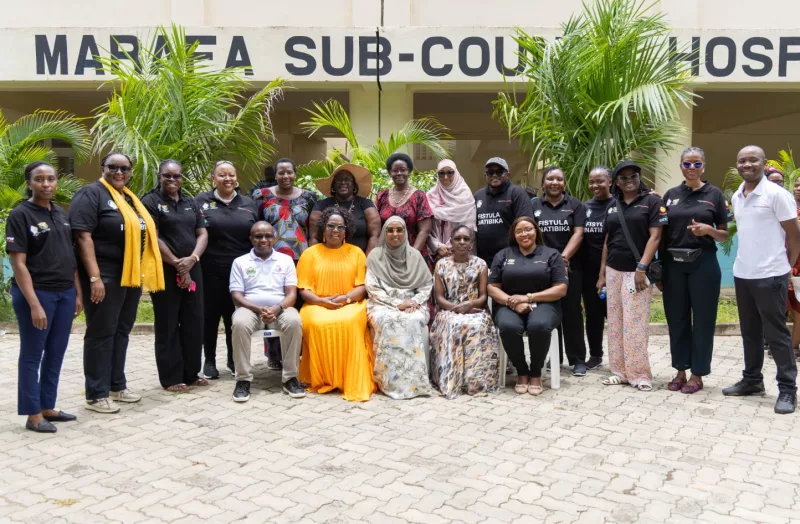
First Ladies visiting the Marafa Sub-County Hospital on October 7 interacted with women undergoing treatment, met with health workers, and observed the outreach's work with women affected by fistula. Alamitu Guyo Jattani, First Lady of Marsabit County and CFLA chairperson, emphasized that fistula requires attention beyond surgical camps. She noted that fistula is a condition affecting many women in Kenya and needs daily care, not just during surgical camps. Jattani also highlighted that fistula is prevalent in Northern Kenya, where female genital mutilation (FGM) is common.
The campaign aims to connect treatment offered at the camp with longer-term efforts to ensure women can access fistula prevention, treatment, and follow-up services through routine healthcare. Dr. Henry Kilonzo, Senior Manager, Foundations Programmes, stated that the M-Pesa Foundation has committed to supporting 2,200 surgeries across the 47 counties by 2028. He noted that the initiative in Marafa is part of this commitment. Kilonzo also called on other private sector players to support efforts to address fistula.
According to Dr. Kilonzo, more than 100 women have been screened in the community, with 29 admitted and 12 surgeries successfully conducted. He emphasized that the M-Pesa Foundation has been working on this initiative for over 10 years, providing women with a second chance at life. Kilonzo noted that the stigma and discrimination associated with fistula come to an end after a few minutes' surgical procedure.
The condition of female genital fistula can occur following prolonged or obstructed labour, leaving women with continuous leakage of urine or stool. In Kenya, an estimated one to two women develop fistula for every 1,000 deliveries, translating to about 3,000 new cases each year. The condition can also lead to stigma, isolation, and depression, affecting women's ability to work, participate in community life, and support their families.
The campaign is being implemented under the theme "Fistula Inatibika - Restoring Dignity of Women and Girls in Kenya". The integrated fistula programme began in September 2025 and is currently in its second phase, bringing together prevention, treatment, and health-system strengthening in efforts to eventually eliminate fistula in Kenya. Earlier in the week, partners convened a strategic leadership engagement and surgical outreach in Kilifi to discuss strengthening the response beyond the current camp.
The County First Ladies Association and M-Pesa Foundation's initiative has garnered support from various stakeholders. Meru First Lady, H.E. Miriam Mutuma, was seen sharing a moment with 21-year-old Naomi Kadze after her successful fistula surgery at Marafa Sub-County Hospital. The integrated fistula programme links emergency surgical camps with long-term, routine county health services, ensuring that women receive comprehensive care.
Key points
- The campaign aims to provide fistula prevention, treatment, and follow-up care beyond surgical camps.
- The M-Pesa Foundation has committed to supporting 2,200 surgeries across the 47 counties by 2028.
- The condition of female genital fistula affects women's ability to work, participate in community life, and support their families.