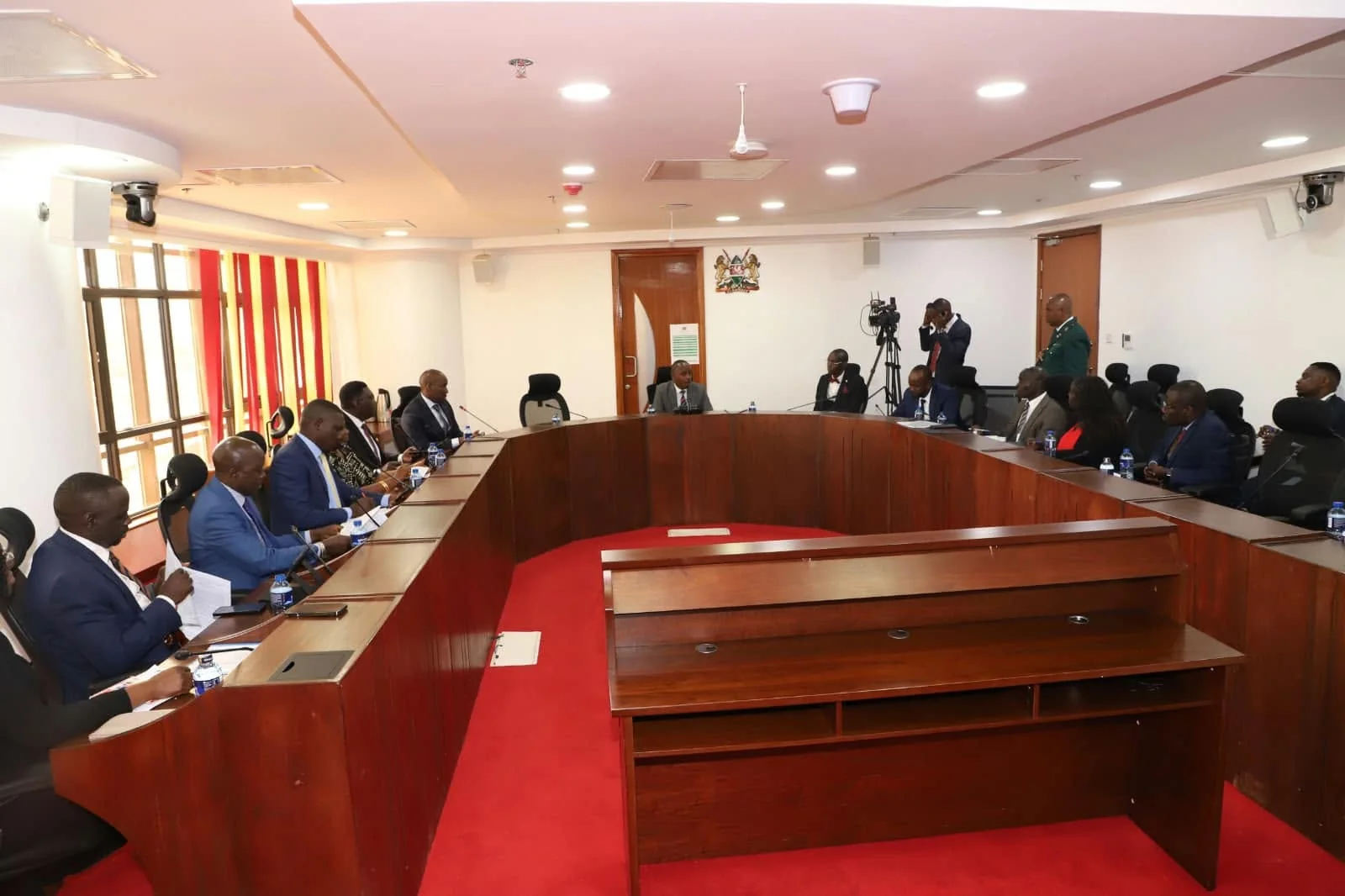
Members of parliament from Kenya and Uganda recently gathered in Nairobi to consider a controlled testing system for artificial intelligence and other emerging technologies. The proposal, raised by the two countries' parliamentary committees, aims to allow new technologies to be trialled under government supervision while regulators assess risks and draft appropriate rules. This approach seeks to balance innovation with the need for safeguards.
John Kiarie, chair of Kenya's National Assembly Communication, Information and Innovation Committee and Dagoretti South MP, emphasized that legislators should not wait for problems to emerge before establishing safeguards for AI and related innovations. He noted that the approach should also cover cryptocurrency, the Internet of Things, and other technologies reshaping business and daily life. Kiarie drew on Kenya's experience with M-Pesa, a mobile-money service that initially raised questions about its regulatory classification.
M-Pesa's evolution into a service spanning technology and finance illustrates how innovations can outgrow existing legal categories, a challenge now echoed by AI systems influencing decisions on livelihoods and essential services. Kenya already has legislation covering data protection, cybercrime, and copyright, but MPs stressed that continual technological change will require adaptable legal frameworks. This need for flexibility is a key consideration in the proposed controlled testing system.
The Kenyan and Ugandan parliamentary committees agreed to share legislative experience and expertise in addressing the regulatory challenges posed by emerging technologies. Ugandan representatives mentioned that they are drafting a new law to bring several telecommunications, technology, and communications provisions under a single framework. This collaboration aims to facilitate the development of effective regulatory frameworks in both countries.
The proposed controlled testing system would enable governments to assess the risks and benefits of emerging technologies, such as AI, cryptocurrency, and IoT, in a supervised environment. This approach would allow regulators to gather data and insights, which would inform the development of targeted regulations. By doing so, governments can mitigate potential risks while fostering innovation and economic growth.
The meeting in Nairobi highlights the growing recognition of the need for proactive regulation of emerging technologies in East Africa. As AI and other technologies continue to evolve and influence various aspects of life, governments in the region are seeking to strike a balance between promoting innovation and protecting citizens' interests. The proposed controlled testing system is a key step towards achieving this balance.
The collaboration between Kenyan and Ugandan MPs on this issue demonstrates the importance of regional cooperation in addressing the regulatory challenges posed by emerging technologies. By sharing experiences and expertise, countries in the region can develop more effective regulatory frameworks that support innovation while safeguarding citizens' interests. This cooperation is likely to continue as the two countries work together to develop and refine their regulatory approaches.
Key points
- Kenyan and Ugandan MPs propose a controlled testing system for AI and emerging technologies to balance innovation with safeguards.
- The proposed system aims to allow new technologies to be trialled under government supervision while regulators assess risks and draft rules.
- The collaboration between Kenyan and Ugandan MPs demonstrates the importance of regional cooperation in addressing the regulatory challenges posed by emerging technologies.