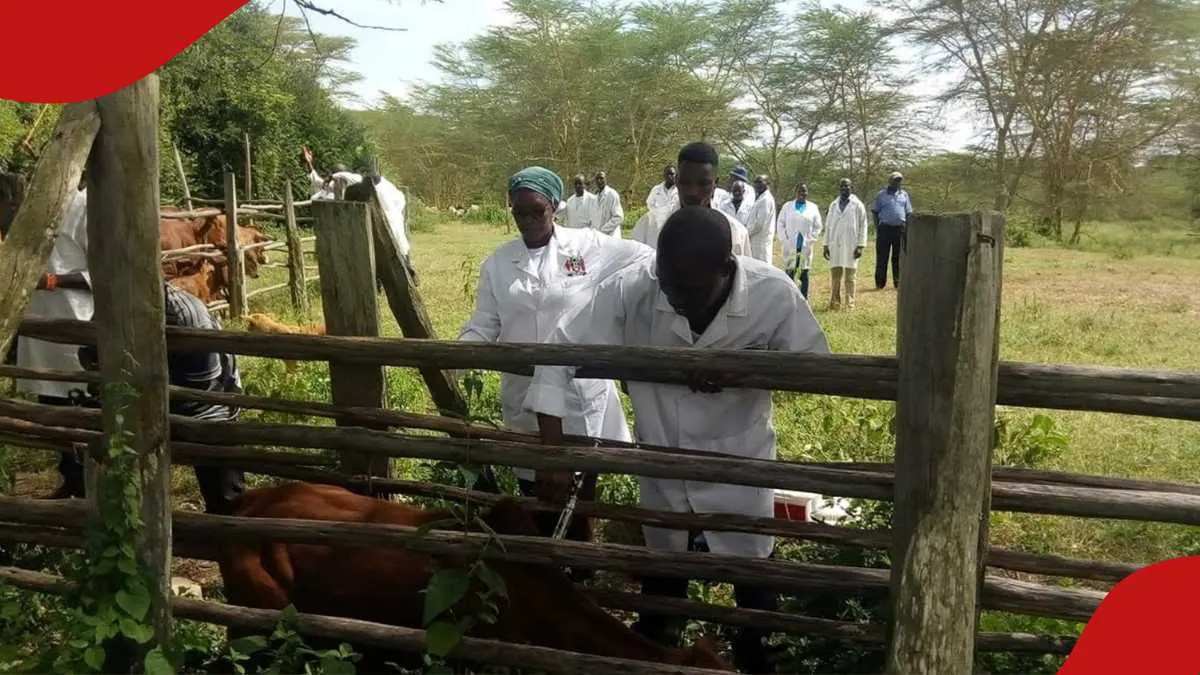
The Kenya Veterinary Association (KVA) has called on the government to address salary and allowance disparities affecting veterinary surgeons, warning that a demotivated workforce is hampering progress in livestock production and animal disease control. The appeal was made as the association marked its 60th anniversary, having been founded in 1966. The KVA highlighted concerns about the welfare of its members, particularly following devolution, which transferred veterinary functions to county governments.
KVA president Kelvin Osore noted that the organisation had undergone considerable transformation since its early years, when membership was restricted to white veterinarians under its then affiliation with the British Veterinary Association. The association said veterinarians should broaden their focus beyond treating sick animals to actively improving livestock productivity, a shift it described as critical given that Kenya's milk demand continues to outstrip domestic supply.
Approximately 60% of Kenya is classified as arid and semi-arid land, a factor that compounds challenges around feed access and livestock management. The association called for greater investment in feed production and more affordable veterinary services to help address the productivity gap. This comes as the country faces challenges in meeting its milk demand, with the KVA urging authorities to support the livestock sector with concrete financial and technical resources.
The KVA also urged authorities to strengthen preparedness for extreme weather events, such as El Nino. It recommended that farmers in vulnerable areas secure adequate feed reserves ahead of droughts or flooding, while veterinary authorities should step up disease surveillance and vaccination efforts. Rift Valley fever was singled out as a disease risk linked to flooding, with the association calling for targeted vaccination campaigns in areas with a history of outbreaks.
On public health, the KVA raised concern over rabies, describing it as a significant risk, particularly in rural communities. It said mass vaccination of dogs and cats remains among the most effective ways to prevent human fatalities from the disease and called for increased investment in prevention programmes targeting low-income and rural populations. The association warned that a demotivated workforce is hampering progress in controlling animal diseases.
As it enters its seventh decade, the KVA said Kenya's livestock sector holds considerable potential to drive economic growth and improve rural livelihoods, provided it is treated and supported as a commercial enterprise. The association urged farmers to invest in quality feeds and maintain consistent access to veterinary care, while calling on the government and other stakeholders to back their stated recognition of the sector with concrete financial and technical resources.
In other news, KVA issued a warning following the cyanide-related deaths of 15 elephants in the Amboseli ecosystem. The association called for urgent government action, including testing tomato supplies, investigating the chemical’s source and addressing human-wildlife conflict. The incident raised serious public health concerns after officials linked the elephants’ deaths to pesticide-sprayed tomatoes found in their stomachs.
Key points
- The Kenya Veterinary Association urges the government to address salary disparities affecting veterinary surgeons.
- The association calls for greater investment in feed production and more affordable veterinary services.
- The KVA warns of a demotivated workforce hampering progress in livestock production and animal disease control.