The 3rd Annual Sustainable Energy Conference, themed "Powering Africa in the Green Industrial Revolution," has brought together over 1,000 delegates from 80 countries to discuss progress in green energy development and explore opportunities to address existing gaps in the sector. The conference, which kicked off in Naivasha, aims to accelerate the transition to sustainable energy through investment and partnerships. Stakeholders from the energy, finance, government, and private sectors are attending the three-day event.
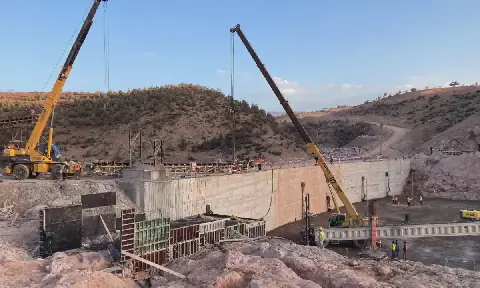
During the conference, KenGen CEO Engineer Peter Jenga announced that the company has identified several potential renewable energy projects currently undergoing feasibility studies. These projects are expected to inject additional megawatts into the national grid. Some of the projects include a 42.5-megawatt solar power plant, an 8.6-megawatt Gogo hydroelectric power project, and an 80.3-megawatt geothermal power plant. Jenga stated that the company has completed the assessment of EPC contractors for the solar power plant and is finalizing the assessment for the Gogo hydro power plant.
KenGen is also exploring small hydro-power opportunities across the country to address challenges associated with reliance on conventional hydro-power generation. One of the identified sites is in Webuye, where preliminary assessments indicate the potential to generate 26 megawatts of electricity. The company is also considering wind energy development in Marsabit, which Jenga says has the potential to generate approximately 1,000 megawatts, with an initial 200-megawatt project being considered.
Canada has reaffirmed its commitment to supporting Kenya's energy transition through investment, technical cooperation, and technology transfer. Canadian High Commission Head of Cooperation Sophie Grace stated that Canada is keen to explore opportunities in Kenya's energy sector, including nuclear energy and drilling technologies. She noted that Canada's extensive experience in energy production could help Kenya strengthen its capacity and position itself as a regional energy exporter.
Energy and Petroleum Regulatory Authority (EPRA) Director of Economic Regulation and Strategy Dr. John Mutua called for stronger public-private partnerships to mobilize investments and accelerate the implementation of viable energy projects. Mutua emphasized that collaboration with private investors remains critical in achieving Kenya's energy transition while ensuring consumer protection and sustainability in the sector.
The discussions come as Kenya pursues its ambition of transitioning to a predominantly renewable energy-powered economy by 2034. Strategic partnerships, increased investment, and technology transfer are expected to play a central role in achieving this target. The three-day conference is expected to provide a platform for stakeholders to strengthen international cooperation, identify investment opportunities, and develop strategies to accelerate Africa's green industrial revolution.
The conference also aims to provide a platform for stakeholders to discuss progress in green energy development and explore opportunities to address existing gaps in the sector. Kenya's energy transition is expected to be driven by partnerships, investment, and technology transfer. The country's ambition to transition to a predominantly renewable energy-powered economy by 2034 is expected to be driven by strategic partnerships and increased investment in the sector.
Key points
- KenGen has identified several potential renewable energy projects, including a 42.5-megawatt solar power plant and an 8.6-megawatt Gogo hydroelectric power project.
- Canada has reaffirmed its commitment to supporting Kenya's energy transition through investment, technical cooperation, and technology transfer.
- Kenya aims to transition to a predominantly renewable energy-powered economy by 2034, driven by strategic partnerships, increased investment, and technology transfer.
Reporting sources
- Kenya unveils new renewable energy projects as global delegates convene in Naivasha · Kenya Broadcasting Corporation