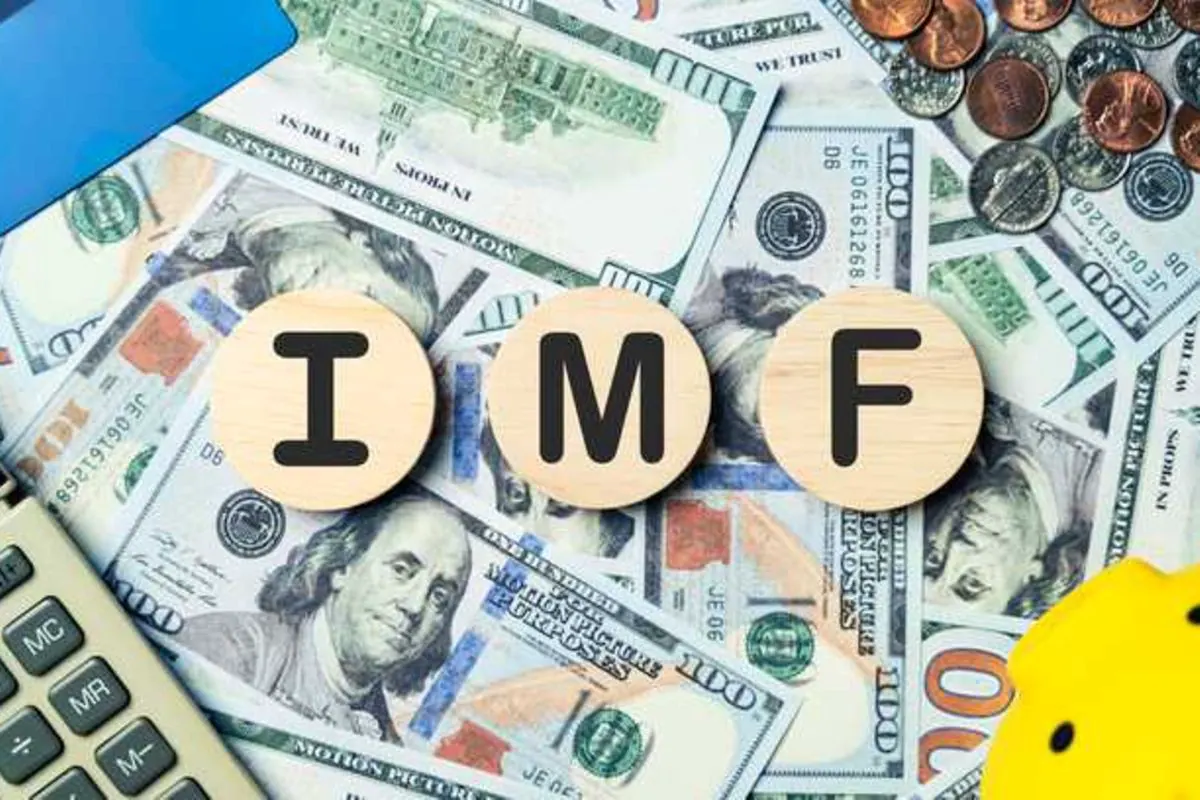
Kenya is unlikely to secure a new deal with the International Monetary Fund (IMF) before the August 2027 General Elections, sources familiar with the IMF's thinking have revealed. This development is a blow to the Treasury's efforts to plug the budget deficit using cheap loans. With barely 11 months to the polls, concerns have risen about policy continuity in the event of a regime change.
The IMF has a general trend of waiting out for the end of election cycles before inking new agreements, as seen in countries like Senegal and Zambia. In Senegal, the IMF suspended a $1.8 billion aid programme agreed upon in 2023 as it awaited further information and commitments from the country's new President Diomaye Faye. A new $2.2 billion deal with Senegal was later announced in September this year.
Authorities in Kenya have remained cautiously optimistic about the timing of a new IMF deal, with the National Treasury leaving out funding from the multilateral lender in the current and upcoming budget cycles until June 2030. The IMF must have confidence that the terms reached over the course of a new programme would hold well after the polls.
The IMF can still have an agreement on the framework to be followed, which would allow it to move fast to reach a deal after the polls clear. Other IMF member countries have also had to wait for the conclusion of polls even as the fund maintains pre-election discussions.
Kenya has not received new financing from the IMF since March 2025 when the fund terminated a Sh467.1 billion ($3.6 billion) deal after the country failed to meet agreed conditions. The country was denied Sh110.2 billion ($850 million) in fresh cash as the multi-year IMF programme ended prematurely on unfulfilled conditions.
Treasury Cabinet Secretary John Mbadi has insisted that Kenya can no longer view the multilateral as a regular source of financing the annual fiscal deficit. The lack of IMF funds in the budget framework is seen as a way of managing expectations if the quest for a new programme with the fund falls through.
The IMF continues to engage closely with the Kenyan authorities, and an IMF staff team will visit Nairobi in December for the Article IV consultation. The return of an IMF programme will signal the return of tough conditions as the multilateral routinely sets stringent terms to access funding from its coffers.
Key points
- The IMF's primary responsibility is not to fund the budget of member countries but for balance of payments support.
- Kenya has turned to the World Bank in the absence of IMF’s funding to access external concessional financing.
- The December Article IV consultations entail yearly health checks conducted by the IMF with member countries to evaluate economic and financial policies.