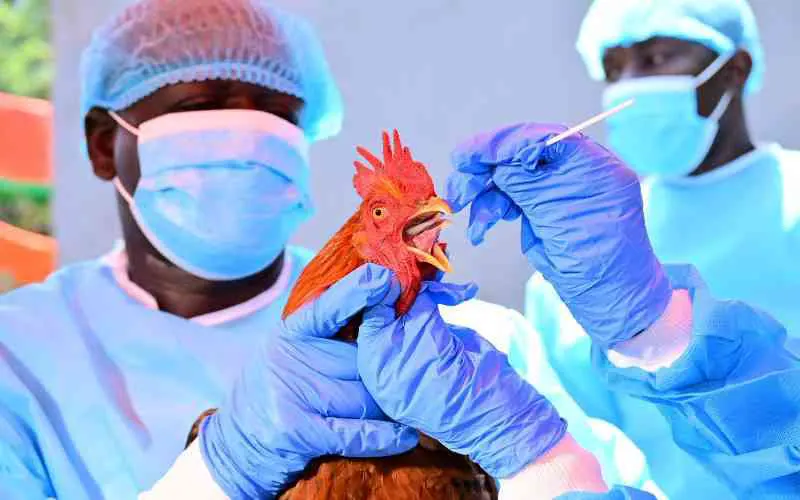
The Kenyan government has launched new biosecurity guidelines and an upgraded animal disease surveillance system to improve early detection of zoonotic threats, including avian influenza. The initiatives, developed in partnership with the United States through the US Centers for Disease Control and Prevention (CDC), aim to reduce the risk of transmission along the poultry value chain. The new guidelines provide practical measures to reduce the introduction and spread of avian influenza and other infectious diseases from farms and during transportation to markets.
The upgraded animal disease surveillance system, known as Kenya Animal Biosurveillance System (KABS 2.0), enables near-real-time collection and reporting of animal disease data across all 47 counties. The system integrates laboratory results to help authorities identify potential outbreaks and respond faster. Director of Veterinary Services Allan Azegele said the upgraded system will improve digital disease reporting, data management, analysis, and visualization, providing timely animal health information for national and county surveillance.
The new live bird market guidelines provide practical measures to reduce the introduction and spread of avian influenza and other infectious diseases from farms and during transportation to markets. The guidelines are part of Kenya's One Health approach, which recognizes the link between animal, human, and environmental health. By improving animal disease surveillance and biosecurity, authorities hope to identify threats earlier and contain outbreaks before they spread to humans, while protecting livelihoods dependent on livestock and poultry.
CDC Kenya Influenza Division Director Gideon Emukule emphasized the importance of early detection and control of diseases at their source in preventing future public health emergencies. He said detecting disease threats early and controlling them at their source is one of the strongest defenses against the next public health emergency. The US provided technical and financial support for both initiatives as part of its wider health security partnership with Kenya.
The Kenyan government is now expected to implement the guidelines and roll out KABS 2.0 to strengthen the country's early-warning and disease response capacity. The initiatives are expected to improve Kenya's ability to detect and respond to zoonotic diseases, reducing the risk of transmission to humans. The government hopes that the new system will help identify potential outbreaks and respond faster, protecting public health and livelihoods.
The One Health approach recognizes the link between animal, human, and environmental health, and the importance of collaboration between different sectors to prevent and control diseases. By improving animal disease surveillance and biosecurity, Kenya aims to identify threats earlier and contain outbreaks before they spread to humans. The new guidelines and upgraded surveillance system are critical components of Kenya's strategy to strengthen its ability to detect and respond to zoonotic diseases.
The implementation of the new guidelines and KABS 2.0 is expected to have a significant impact on Kenya's ability to detect and respond to zoonotic diseases. The government hopes that the new system will help reduce the risk of transmission to humans, protecting public health and livelihoods. The US provided technical and financial support for both initiatives, demonstrating the importance of international collaboration in preventing and controlling diseases.
Key points
- Kenya launches new biosecurity guidelines and upgrades animal disease surveillance system to detect and respond to zoonotic diseases.
- The new guidelines and upgraded surveillance system aim to improve early detection of zoonotic threats, including avian influenza.
- The initiatives are part of Kenya's One Health approach, which recognizes the link between animal, human, and environmental health.