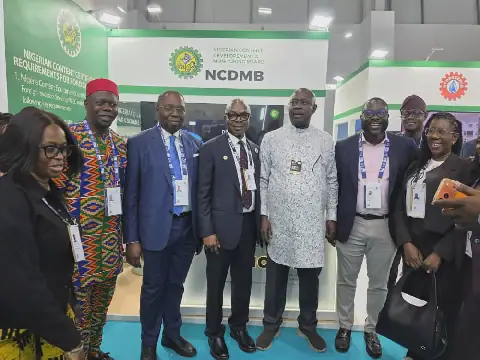
The Parliamentary Committee on Defence, Intelligence and Foreign Relations has set a two-year deadline for Kenya Shipyards Limited to become financially self-sufficient. The committee, led by Vice-Chair Abdullaih Bashir of Mandera North, made the demand during an inspection of KSL's Kisumu facility. They reviewed the shipyard's expanding technical capacity and commercial prospects, highlighting the need for KSL to reduce its reliance on government funding.
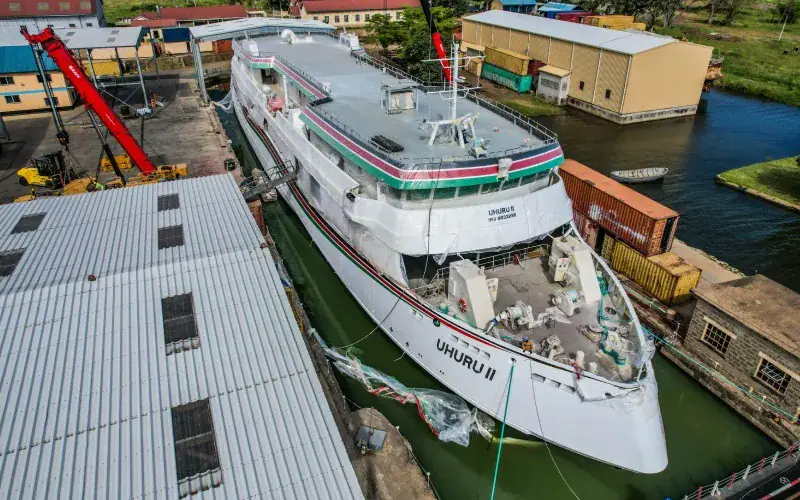
Kenya Shipyards Limited has made significant progress since its establishment in 2020. The company has delivered several projects, including the 100-metre MV Uhuru II for Lake Victoria petroleum transport and the refurbishment of the older MV Uhuru I. These projects demonstrate KSL's growing operational capability. Additionally, the shipyard has built fishing ports, water ambulances, and specialised vessels for various locations, supporting local livelihoods and water-borne transport.
Recent investments in modern technology have contributed to a substantial reduction in production costs at KSL. According to Brigadier Peter Muthungu, head of production, the introduction of fibre-laser cutting machines, robotic welding systems, and HDPE boat technology has cut production costs from 718 million to 366 million shillings. This significant reduction in costs is expected to help KSL achieve financial sustainability.
Despite progress, parliamentarians have expressed concern about KSL's continued reliance on Treasury cash. The company is currently managing active projects valued at approximately Sh6.22 billion. Muthungu attributed cash-flow pressure to milestone-based payment structures that delay revenue collection and to ongoing infrastructure investments that strain finances. The committee believes that tighter customer payment terms and prudent financial management could accelerate KSL's transition to self-sufficiency.
To achieve financial sustainability, KSL is exploring expansion opportunities. The company is proposing a graving dock at the Port of Mombasa capable of handling vessels 185-285 metres long. This development could attract up to 32 repair contracts a year, compared with its current capacity for five vessels. The expansion is expected to increase revenue and reduce KSL's reliance on government funding.
KSL also plans to develop infrastructure on Lake Turkana, including passenger ferry services and surveys for additional maritime opportunities. This strategic expansion will not only increase revenue but also provide new opportunities for economic growth in the region. The company's plans are expected to have a positive impact on the local economy and create new jobs.
The Parliamentary Committee's call for financial self-sufficiency is a significant step towards ensuring KSL's long-term sustainability. With a clear plan in place, KSL is expected to achieve financial sustainability within the next two years. The company's progress will be closely monitored by the committee, which will provide support and guidance as needed.
Key points
- The committee has set a two-year deadline for KSL to become financially self-sufficient.
- KSL has made significant progress since its establishment in 2020, delivering several major projects.
- The company plans to expand its operations at the Port of Mombasa and develop infrastructure on Lake Turkana.