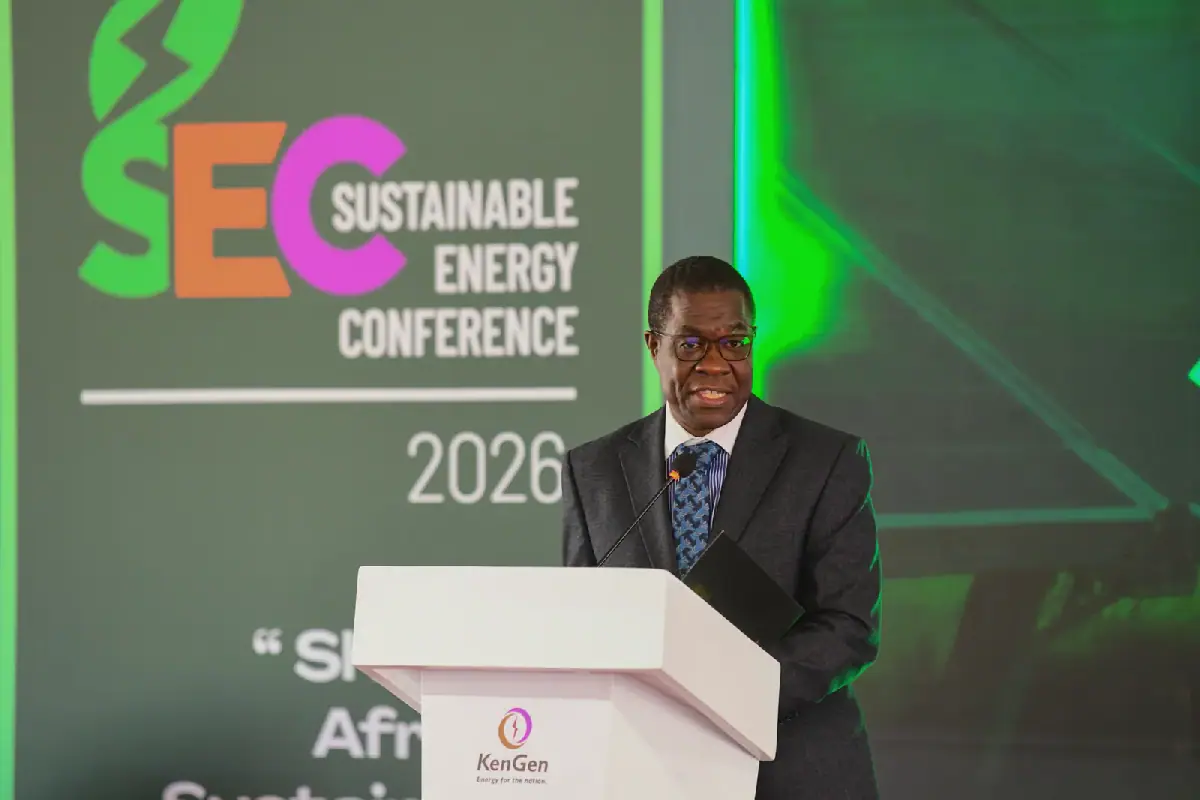
Kenya's Energy and Petroleum Cabinet Secretary, James Opiyo Wandayi, has urged governments to embrace alternative financing models to develop energy infrastructure, as over 600 million Africans remain without electricity. Speaking at the Sustainable Energy Conference 2026 in Naivasha, Wandayi identified public-private partnerships, green infrastructure bonds, and the National Infrastructure Fund as critical avenues for mobilizing capital. He emphasized the challenge of attracting investment while ensuring electricity remains affordable to consumers.
Kenya's electricity demand has surpassed 2,500 megawatts, with further growth expected as the economy expands. The government is pursuing regional power integration through initiatives like the Eastern Africa Power Pool to strengthen energy security. The country's electrification strategy combines grid expansion, mini-grids, and off-grid solar solutions, in line with Mission 300, which aims to connect 300 million Africans to electricity by 2030.
The Kenya Electricity Generating Company (KenGen) is targeting an additional 250 megawatts to the national grid by 2027, as it advances a renewable energy pipeline of approximately 5,500 megawatts. The planned expansion includes geothermal projects at Olkaria, 42.5 megawatts of solar across the Seven Forks hydropower stations, and a 100-megawatt battery energy storage system expected in 2027. KenGen CEO Peter Njenga says the projects will strengthen grid reliability and support growing demand for clean electricity.
The Sustainable Energy Conference 2026, held under the theme "Powering Africa's Green Industrial Revolution," brought together policymakers, investors, and energy experts to explore financing and technology solutions for Africa's energy transition. Discussions underscored the need for sustained investment in reliable, affordable, and clean power to drive industrialization and economic growth across the continent.
Wandayi's call for private investment is part of a broader effort to address Africa's energy challenges. The continent's energy sector requires innovative financing models to expand electricity access and power industrial transformation. Public-private partnerships and green infrastructure bonds are seen as critical avenues for mobilizing capital to develop energy infrastructure.
Kenya's National Energy Compact anchors the country's electrification strategy, which combines grid expansion, mini-grids, and off-grid solar solutions. The strategy aims to connect 300 million Africans to electricity by 2030. The government's efforts to attract private investment and advance renewable energy projects are expected to support the growing demand for clean electricity.
The conference discussions highlighted the importance of regional cooperation and innovative financing models to address Africa's energy challenges. The country's efforts to strengthen energy security and drive industrialization through reliable, affordable, and clean power are expected to have a positive impact on the continent's economic growth.
Key points
- Kenya is seeking private investment to expand electricity access and power Africa's industrial transformation.
- The country's electrification strategy combines grid expansion, mini-grids, and off-grid solar solutions to connect 300 million Africans to electricity by 2030.
- KenGen is targeting an additional 250 megawatts to the national grid by 2027 through renewable energy projects.
Reporting sources
- Kenya seeks private investment to power Africa’s clean energy transition · Kenya Broadcasting Corporation